 English Heritage
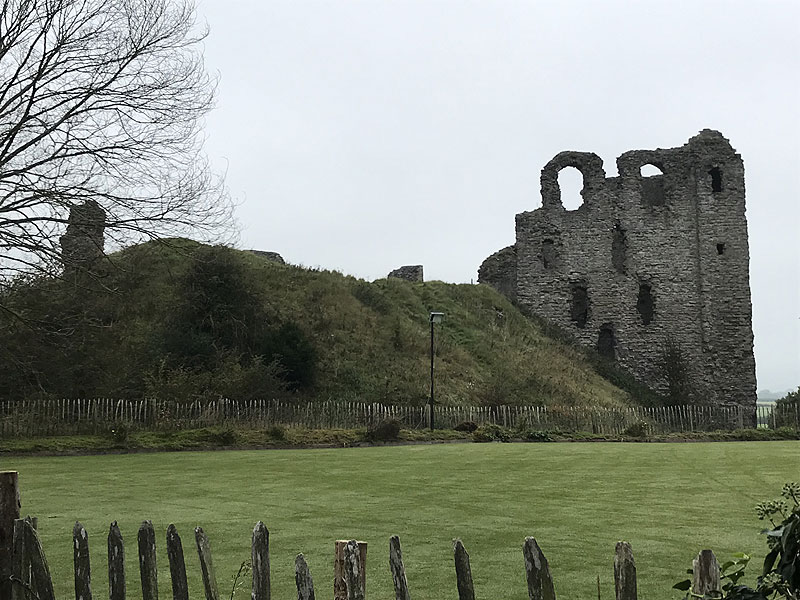
Clun Castle was established by the Norman lord Robert de Say after the invasion of England and went on to become an important Marcher-lord castle in the 12th century, defending against the Welsh. It was owned for many years by the Fitzalan family, who gradually abandoned it in favour of the more luxurious Arundel Castle. The Fitzalans converted Clun Castle into a hunting lodge in the 14th century, complete with pleasure gardens, but by the 16th century the castle was largely ruined.
In 1894 the castle was purchased by the Duke of Norfolk, who undertook a programme of conservation to stabilise the castle.
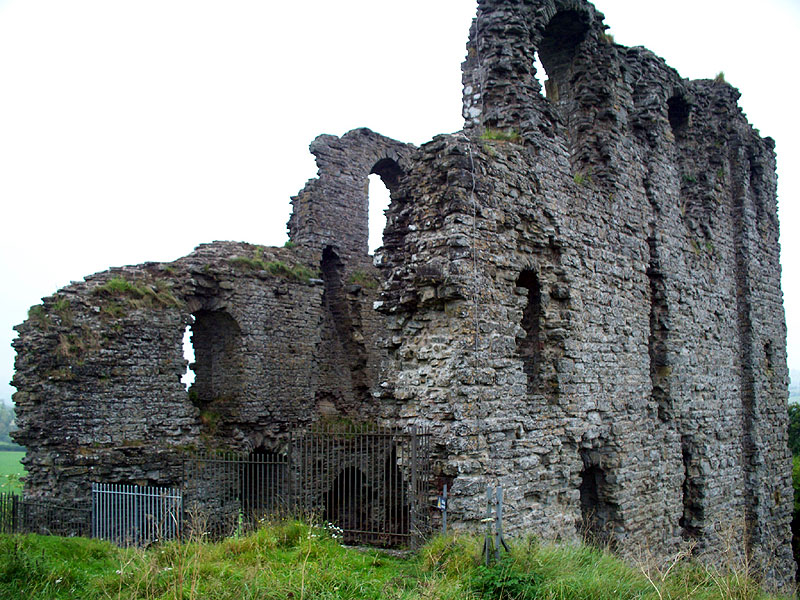
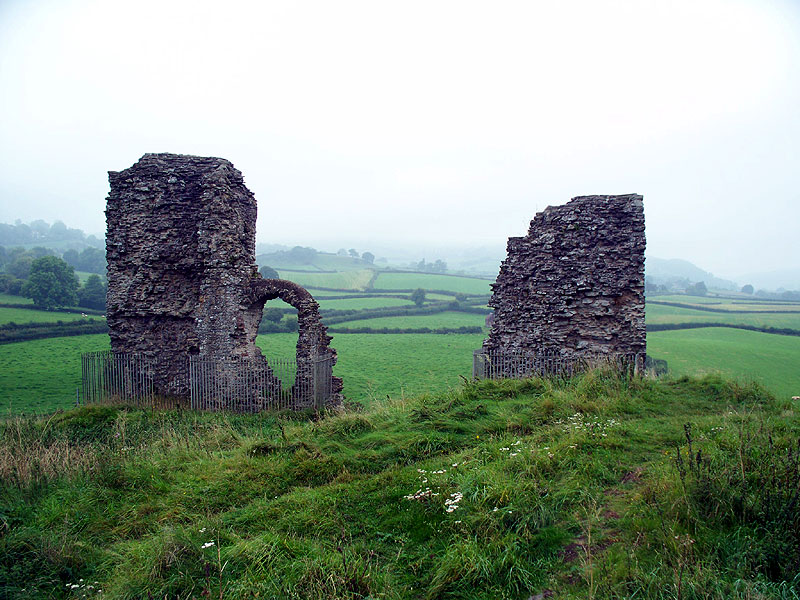
Today the castle is very ruined, with the now three-sided Great Keep, built for the FitzAlan family’s resifential use, being the most complete part. Adjacent platforms, the site of the outer baileys, have no structures above ground. The River Clun loops around the castle far below the mounds.
To visit, you should park in the village and look for the gated lane leading up to the castle.
Day: 1 October 2023
Stokesay Castle, Shropshire
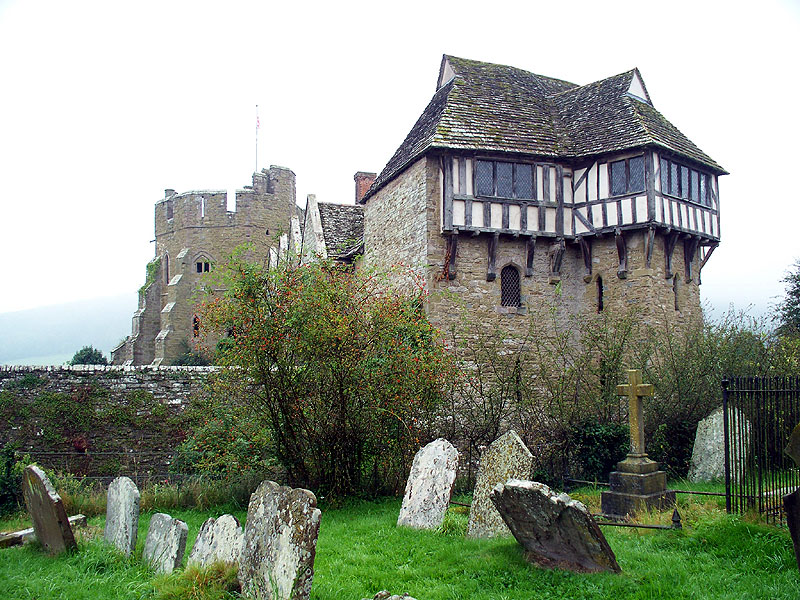 English Heritage
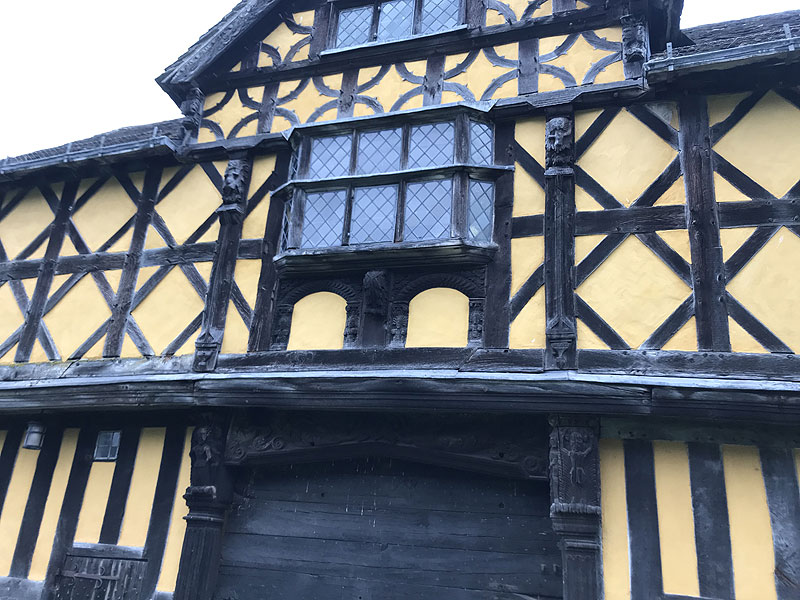
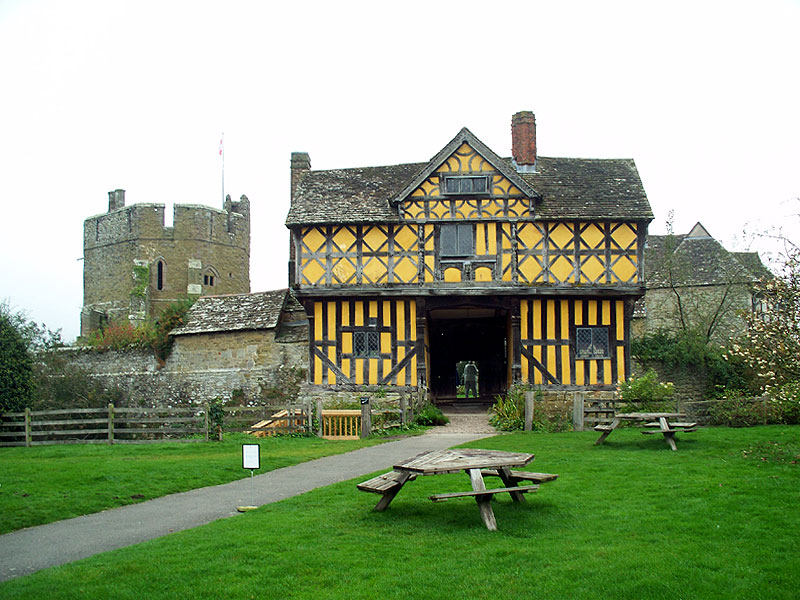
Stokesay Castle, actually a fortified manor house, was built in the 1280s and early 1290s by fabulously wealthy wool merchant Lawrence of Ludlow. It was intended to keep out robbers rather than withstand a serious seige. The striking timbered gatehouse was built much later, in 1640-41, presumably replacing an earlier stone gatehouse.
During the English Civil War the ‘castle’ was garrisoned by Royalists, who surrendered when a Parliamentary force approached the ‘castle’ in 1645 and issued a summons to surrender.
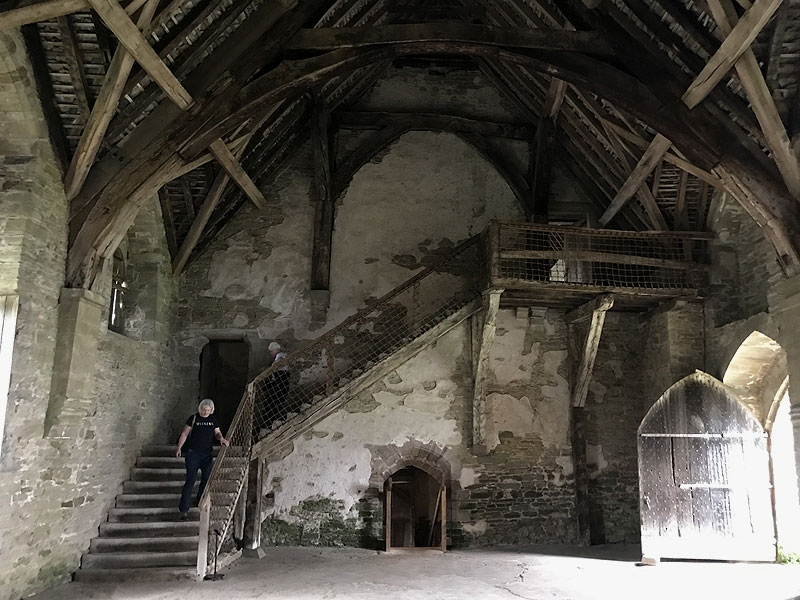
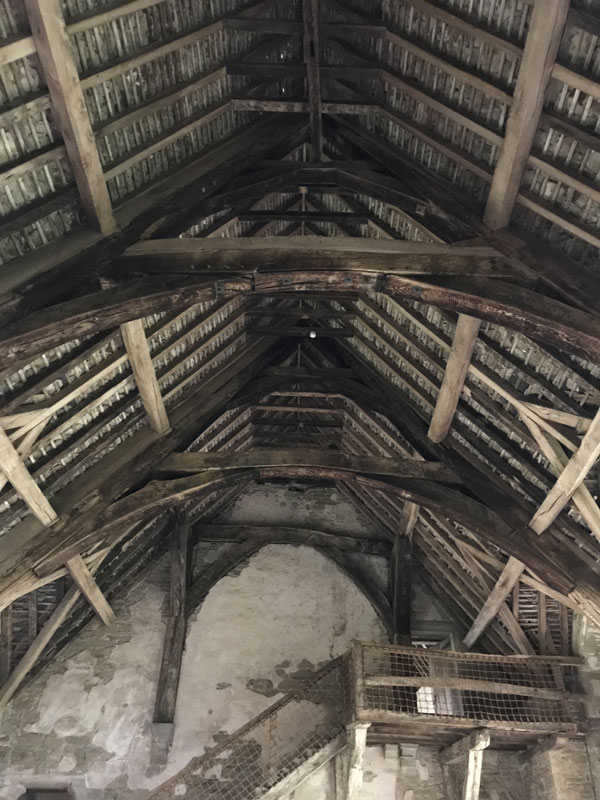
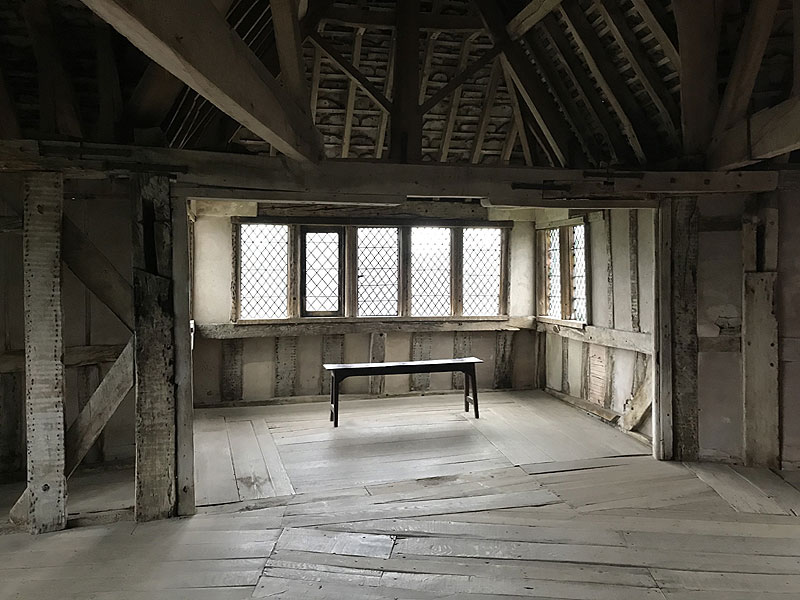
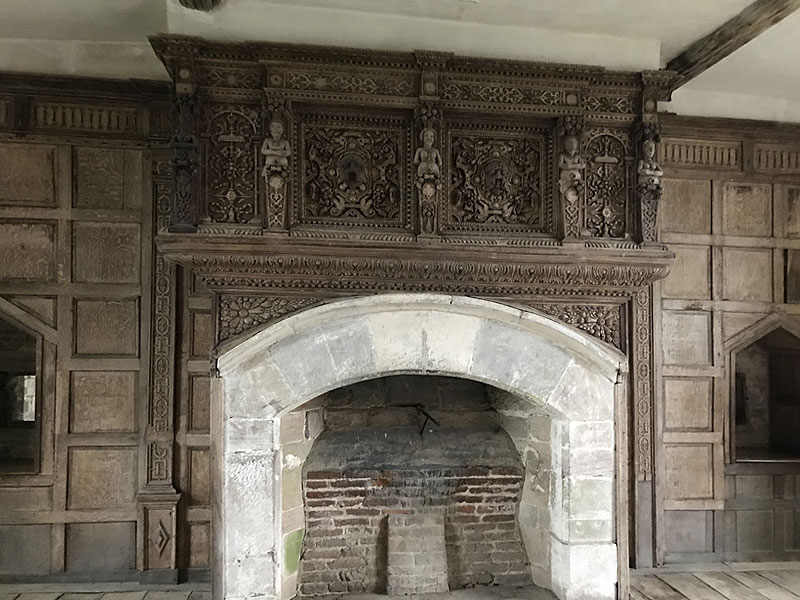
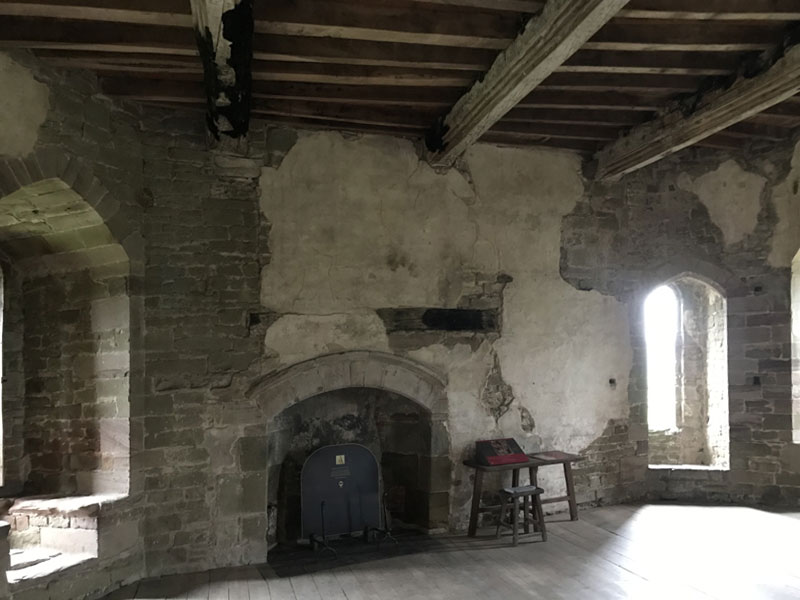
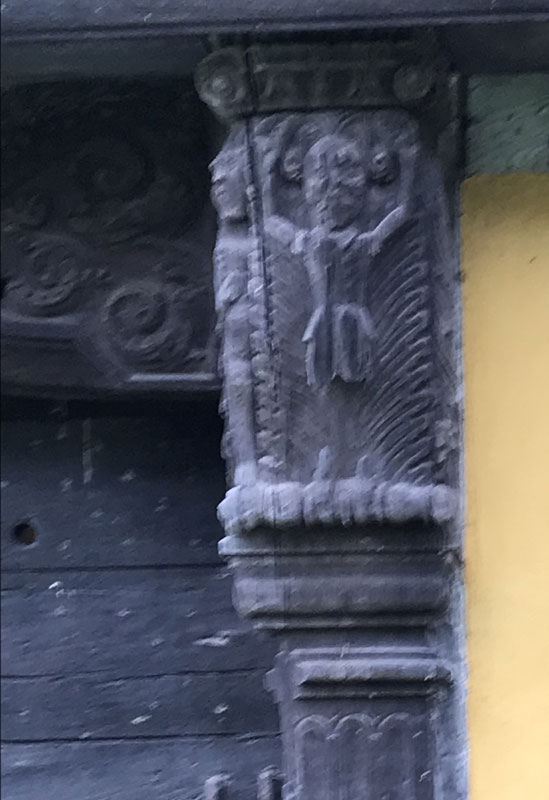
Stokesay has a number of interesting internal features, including a fine hall roof and an elaborately carved wooden mantelpiece. The nearby church (not English Heritage) is worth a look. The gatehouse has some interesting carvings on the inner side. The great hall has an impressive roof structure. In the so-called Solar block, the solar has an elaborate panelled interior dating from the 17th century, with elaborate carvings of fruit, flowers and figures on the overmantel above the fireplace.
All parts of the castle can be visited, including the roof of the south tower.
Stokesay is well worth a visit.