Burghley House, Cambs

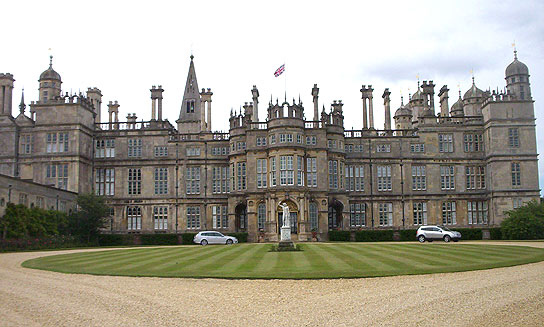
Grand house frontage Regarded by many as the finest Elizabethan House in England, Burghley House was built in the 16th Century by William Cecil, the first Lord Burghley, Queen Elizabeth’s Lord High Treasurer. This was one of the Elizabethan “prodigy houses”. The main part of the House has 35 major rooms on the ground and first floors. There are more than 80 lesser rooms and numerous halls, corridors, bathrooms and service areas. The lead roof extends to three quarters of an acre. The historic parkland was laid out by Capability Brown. Now there are some modern visitor attractions in the grounds, including the Gardens of Surprise.

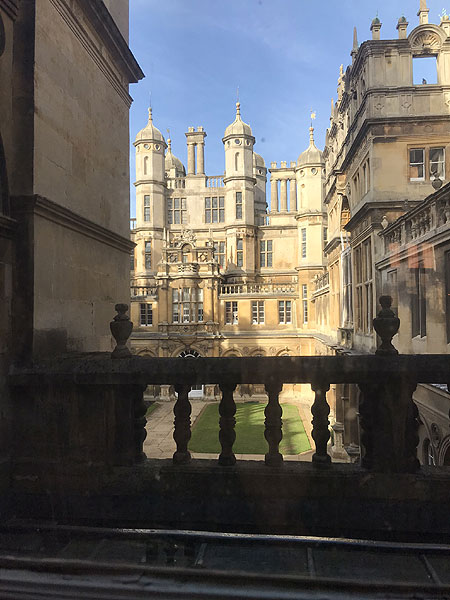
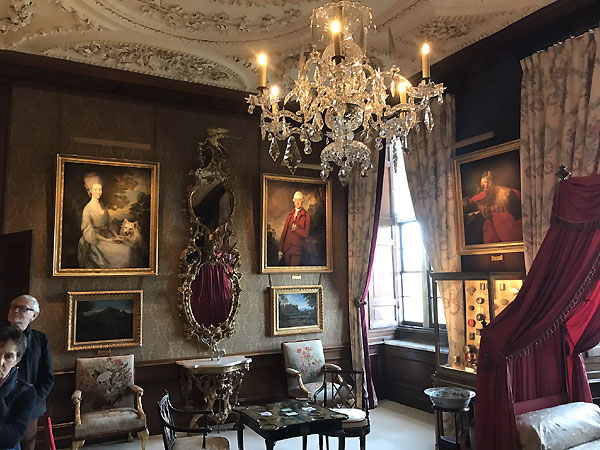
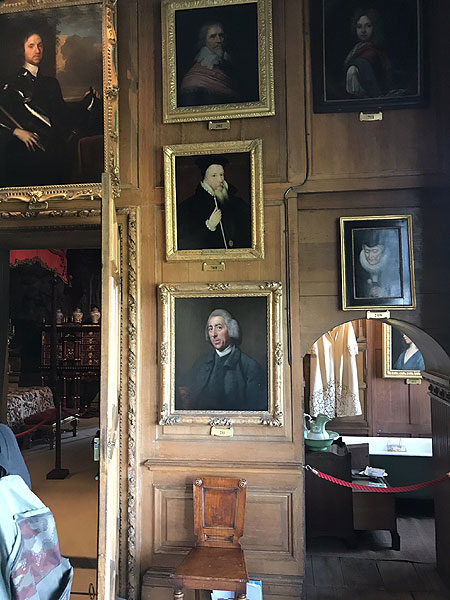
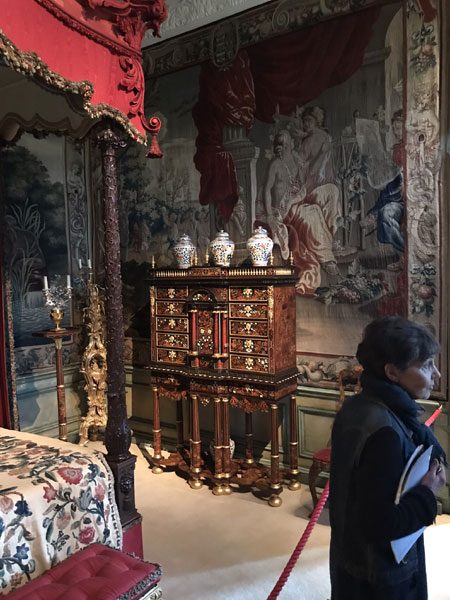
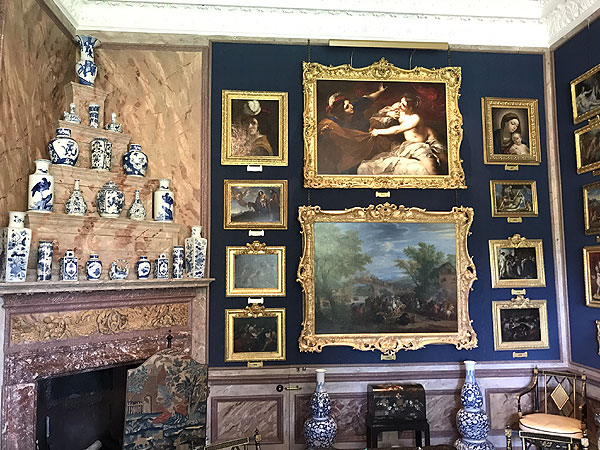
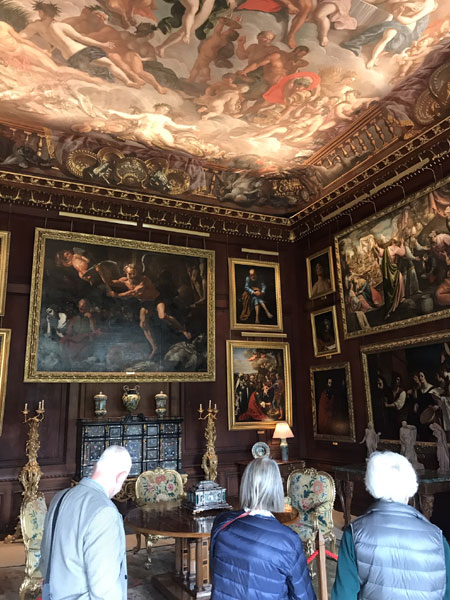
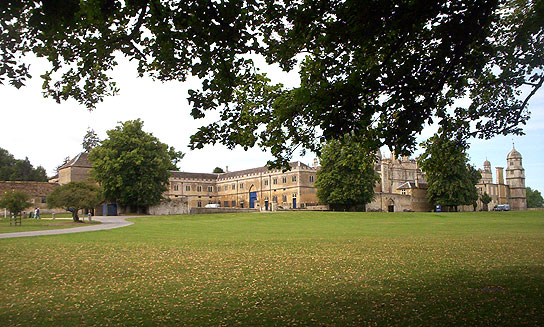
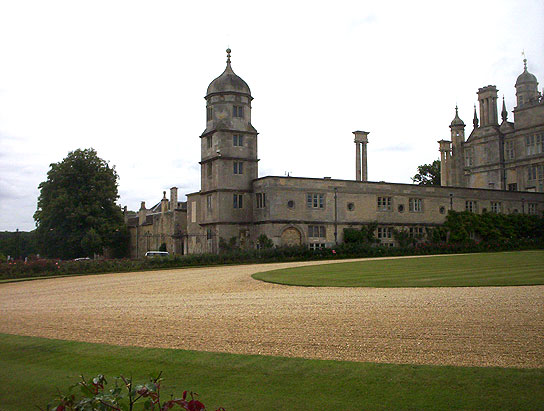
When one arrives in the car park, through the trees one has a quite impressive view of the house. However this is just the stables and the side of the service wing! The house itself as befits one of the Elizabethan “prodigy houses” is very big, on 4 floors, with scores of windows, turrets, chimneys, spires etc. It’s very impressive. Inside there is lots to see, with approx 18 principal rooms on the first floor all equipped with paintings, furniture and a cornucopia of treasures. There are also exhibitions of treasures by the ticket office which are worth a look.

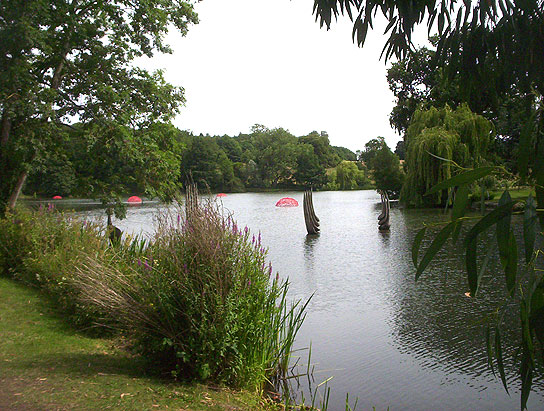
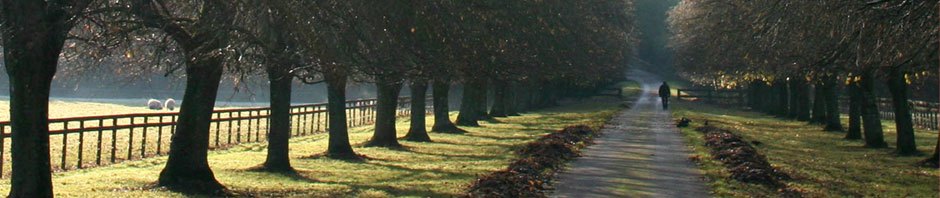
Outside there is a park, and gardens. The “Gardens of Surprise” has quirky water fountains and other features (great for children). I particularly liked the Fire/Air/Water/Earth sculptures where one presses a button and they change shape or (for Fire) emit smoke. Next to that is the Sculpture garden – a large wooded area with exhibits of modern sculpture dispersed through it. The lake had orange things floating in it which I’m almost sure were sculptures. For refreshments, the Orangery restaurant looked expensive but the garden cafe is cheaper.

There is much to see and do at Burghley, so that one could make it an all-day visit.
Access to the house is via the main street of the old town of Stamford, where the Classical and Georgian townscape has survived almost unscathed. (Visited 17/07/11)
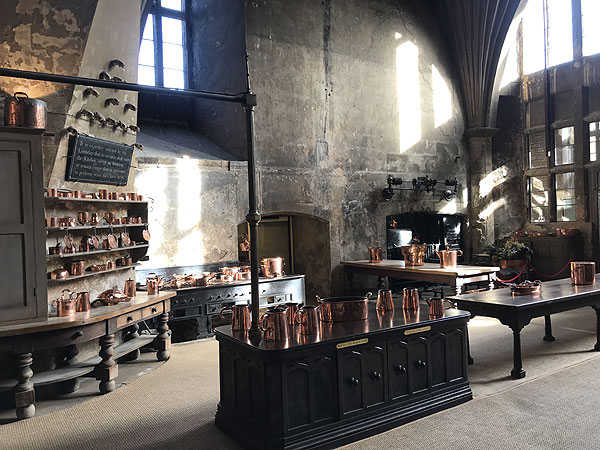
Old Kitchen
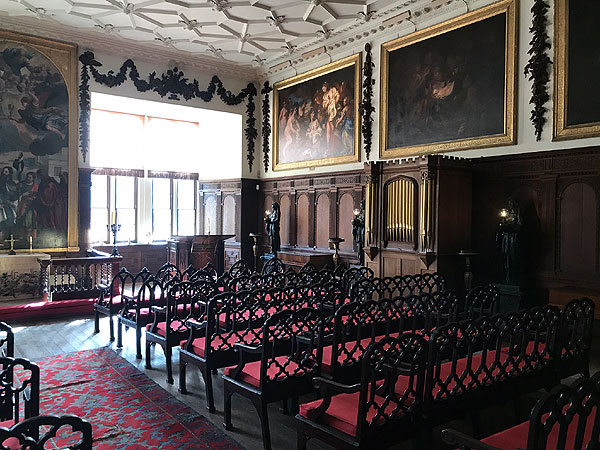
Chapel
Courtyard
Brown Drawing Room
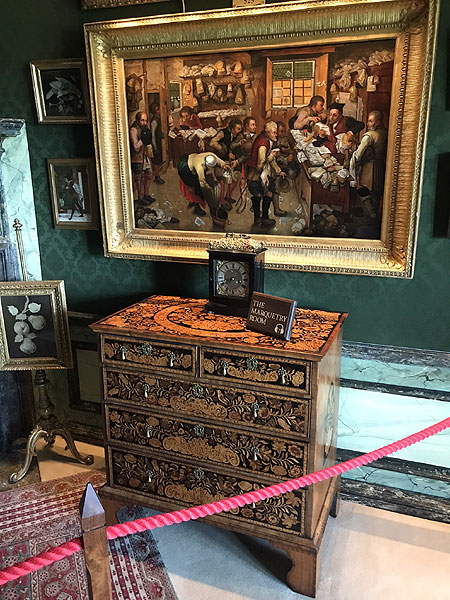
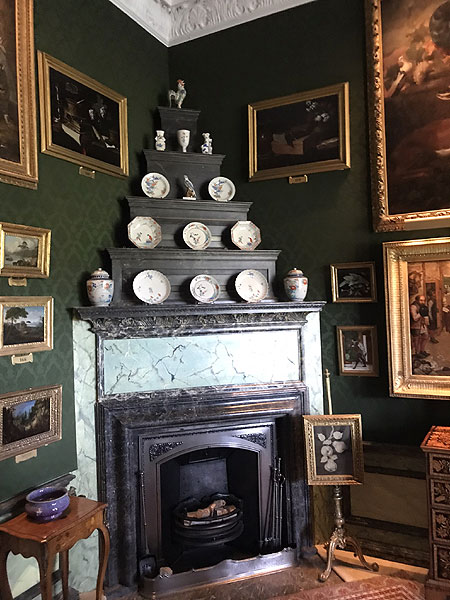
Marquetry Room
Marquetry Room
A famous face
Blue Silk Bedroom
Blue Silk Dressing Room
George Room
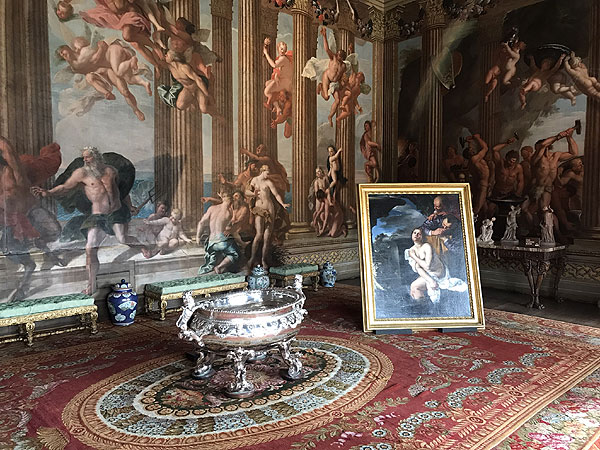
The Heaven Room
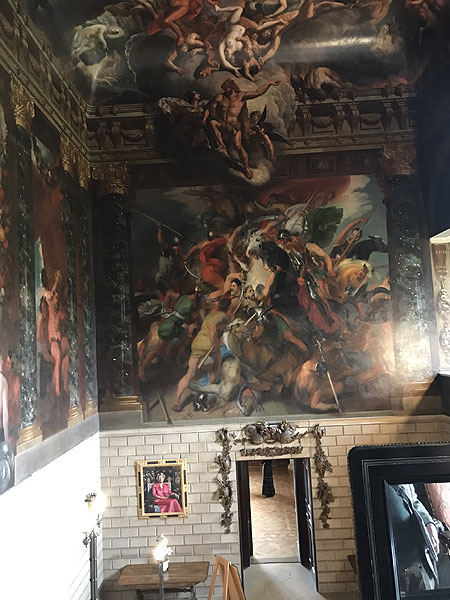
The Hell Staircase
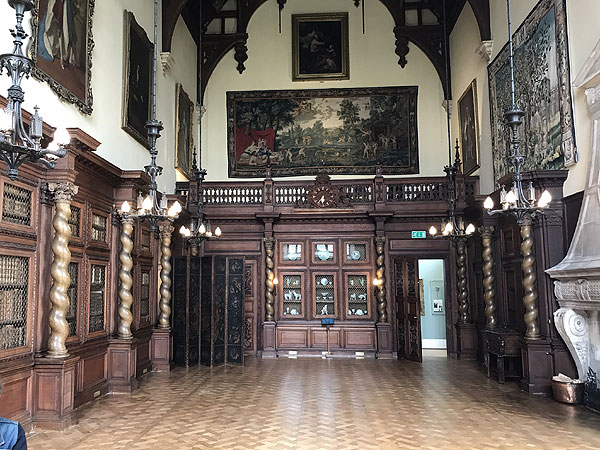
The Great Hall

Buildongs seen through trees
Just the service buildings!
Buildings with corner tower
Service wing
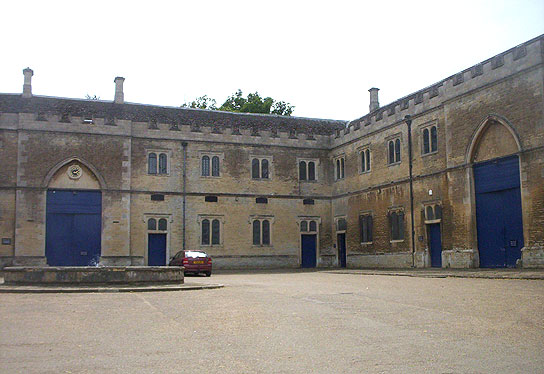
Buildings around yard
Former Stables
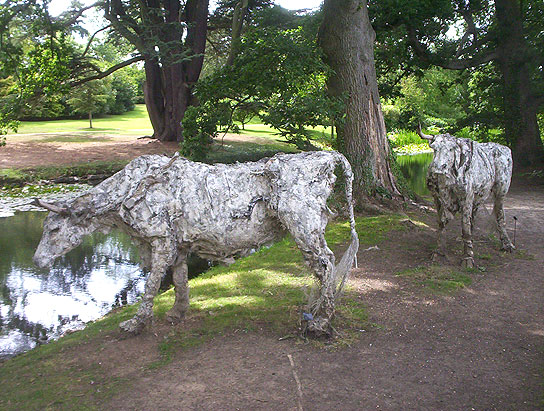
Cow sculpture in park
Park sculpture
Lake
Lake sculptures!?
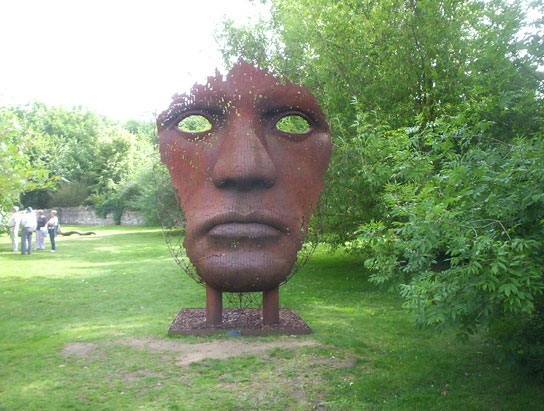
Giant metal head
Park sculpture
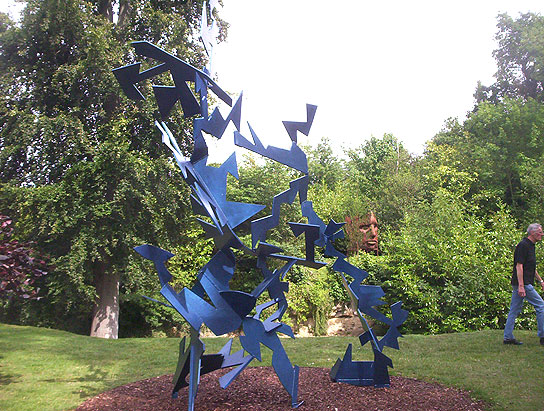
Blue metal sculpture
Park sculpture
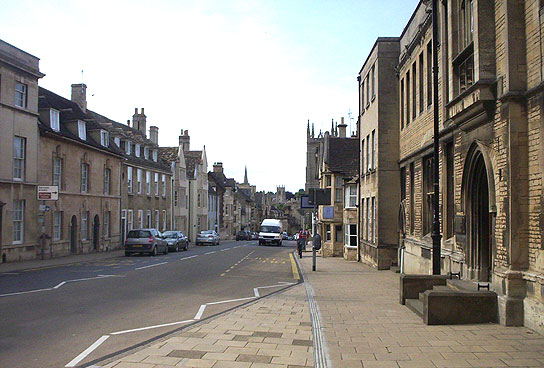
Street with Georgian stone buildings
Stamford
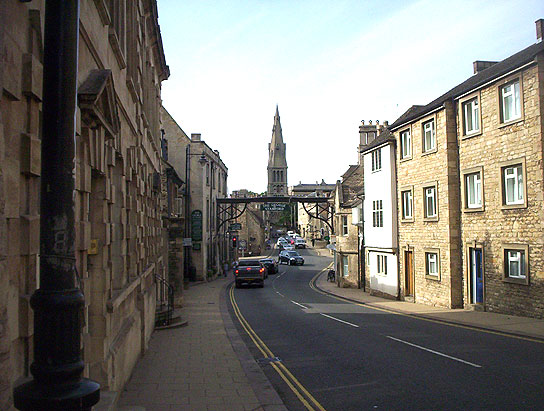
Street with Georgian stone buildings
Stamford

The National Museum of Computing, Bletchley, Bucks

The National Museum of Computing is dedicated to showing the development of computing in its broadest sense, from the pioneering wartime efforts that resulted in Colossus, to the products and systems we use today. Exhibits include the Colossus replica, and some big-iron commercial computers e.g Elliot 803B, ICL 2966, that formerly filled the computer rooms of large companies from the 1960s to the 1980s, and a multitude of personal computers and calculators, including Sinclair, BBC Micro, and Amstrad.
There should be something here to interest everyone who has used computers. Older visitors can go around exclaiming “I used to use one of those!” while younger ones can try out the computer games on the personal computers.
TNMOC is on the same site as Bletchley Park, in block H. Please note that TNMOC now levies an admission charge of £5, and if you only want to visit TNMOC, you don’t need to pay the Bletchley Park admission as well. Currently TNMOC has restricted opening hours.

Bletchley Park, Bucks

The WWII code-breaking centre at Bletchley Park was a well-kept secret for years. When the fact of its existence was de-classified, the buildings on the site became the object of attention, and eventually a Trust was set up to preserve the more noteworthy buildings, establish a museum of codebreaking and explain the significance of what went on at the site. Here, the German Enigma code was broken. During the war, thousands of people were employed here, and there was cutting-edge work in developing machine aids for decryption. The electromechanical “Bombe” was invented to help crack Enigma and the electronic computer “Colossus” was invented to help crack the more difficult “Tunny” teleprinter code.
If you visit, there is a lot to see, and one day might not be enough. Guided tours of the various buildings are available, taking in the Mansion, (an opulent if rather mongrel Edwardian mansion), various brick out-buildings of the mansion, some near-indestructible bomb-proofed concrete huts, and some decaying wooden huts with famous numbers, as well as Bombe and Colossus reconstructions.
Then there is the Museum of Codebreaking, where you can try to get your head around how decrypting Enigma actually worked, and other huts with displays about spies, daily life at Bletchley Park during the war, and so forth. Did you know that British military planes used to carry a pigeon so that the bird could carry a message back if the plane came down? I didn’t.
In addition there are other historic displays that share the Bletchley Park site, from TNMOC – the National Museum of Computing, the cine projector museum with mini cinema and newsreel shows, the display of ship models, and others. These ‘other’ groups have their own opening times – check websites.
There is also a series of lectures, which explore war and codebreaking topics in some depth.
Also, there is a miscellany of Events, seemingly ranging from parades of military vehicles to almost anything else.
If you are interested in history, war, or codebreaking, you should find something to interest you here.

Bletchley Park is open daily, but this does not apply to associates such as TNMOC, so check before travelling. Parts of the mansion may be in use for commercial activities on any day except Sundays.
Bletchley Park admission is not expensive considering the amount to be seen, and permits repeated re-admission for 12 months.
Please note that there is a £3 charge for parking in the grounds. Bletchley Park entrance is about 100 yards from Bletchley railway station.

Apsley House, London

English Heritage.
Apsley House was originally designed and built by Robert Adam between 1771 and 1778 for Baron Apsley. Later, it was owned by Richard Wellesley and then by his younger brother Arthur Wellesley – the Duke of Wellington. Wellington is best known for defeating Napoleon at the Battle of Waterloo, but he was also a major politician, who rose to become Prime Minister in 1828. Apsley House was redesigned to reflect Wellesley’s rising status, and its dazzling interiors are prime examples of British grandeur in the Regency style. Inside Apsley House are many objects relating to the Duke’s life and work, including his art collection, some of it collected on campaign, a giant statue of Napoleon, a huge silver-gilt dining table centerpiece, and a whole room full of trophies donated by grateful nations.

With all that opulence on display, there is plenty to look at inside Apsley House. It’s more of a palace than a house, in fact. The exhibitions in some of the rooms are quite informative about Wellesley’s career.

Hyde Park Corner underground station is adjacent to the house. Don’t even think of trying to go there by car. On the traffic island in front of the house is the Wellington Arch (see separate entry), and an assortment of statues and monuments which are worth a look while you’re there.
While here, I also visited the actual Marble Arch, reached by a bracing walk along the edge of Hyde Park. This three-arch white marble monument is worth a look, but you can’t go inside.