 English Heritage.
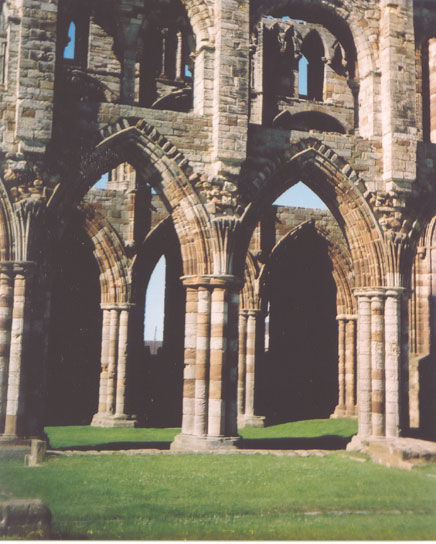
The abbey stands on a headland overlooking the sea and the town of Whitby. The Gothic ruins are said to have inspired Bram Stoker when he was writing ‘Dracula’. The site dates from AD 657, and the visible ruins, in an Early English gothic style, date from the 13th century. Quite a lot of structure still stands, despite the ravages of time, North Sea weather, and a direct hit by a shell from a from a WWI German battle-cruiser. Also on the site are the remains of the Cholmley family mansion, now adapted to house the visitor centre and exhibitions. An audio tour is also available.
The Abbey can be reached from the town either by 199 steps, or by a much more circuitous motor route.
This is an iconic Gothic monument, and well worth a visit if you are visiting Whitby.
Day: 21 September 2011
Stowe House, Bucks
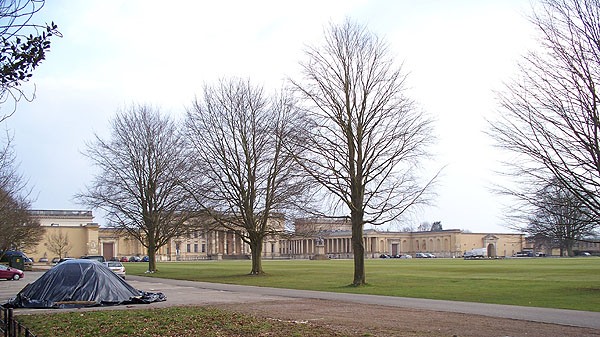
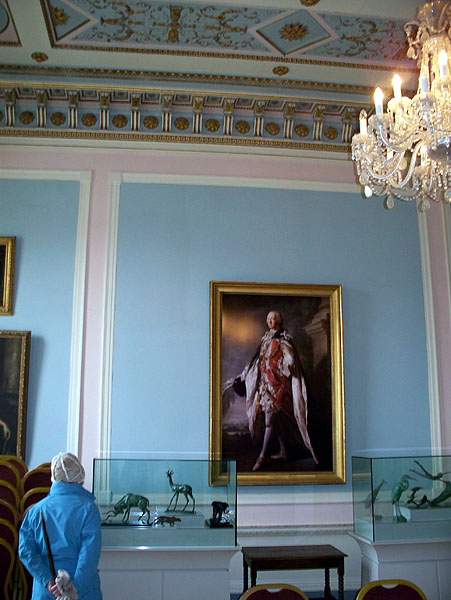
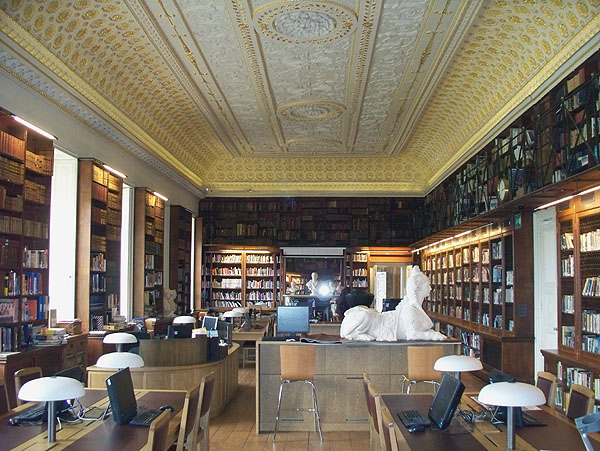
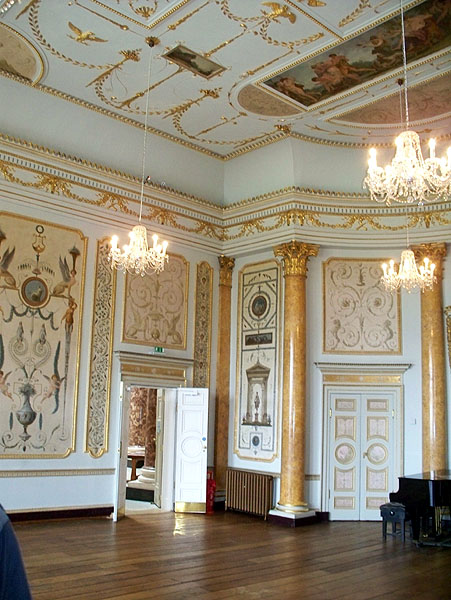
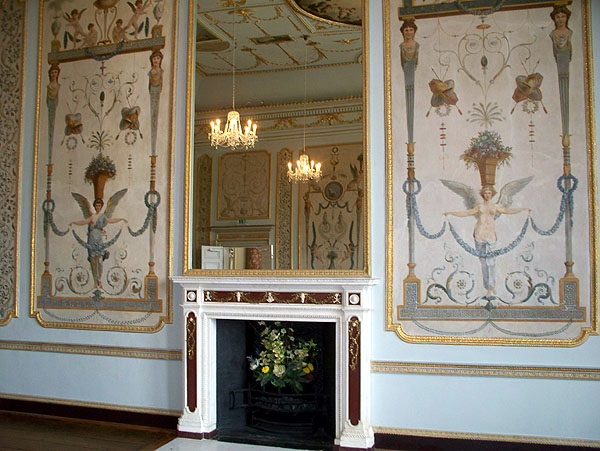
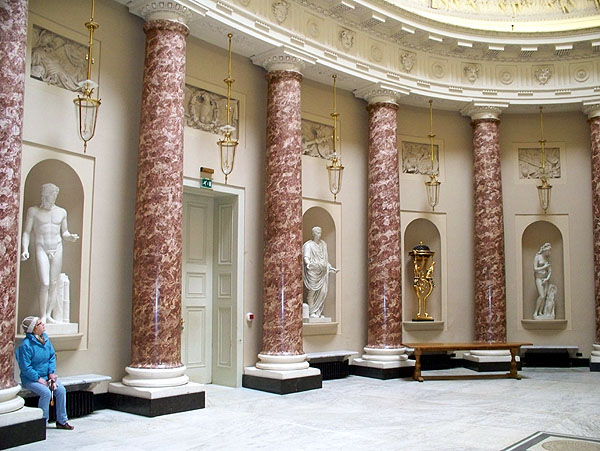
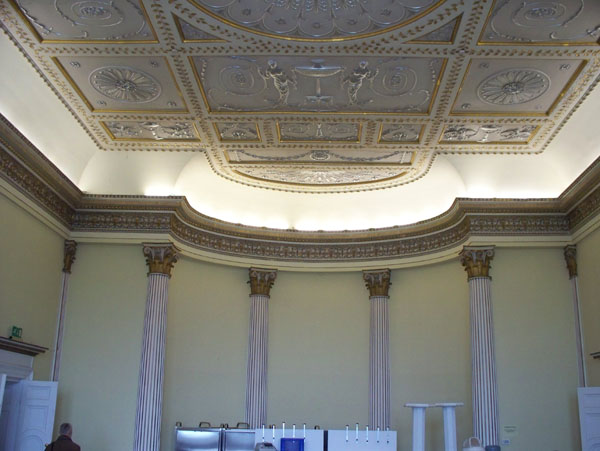
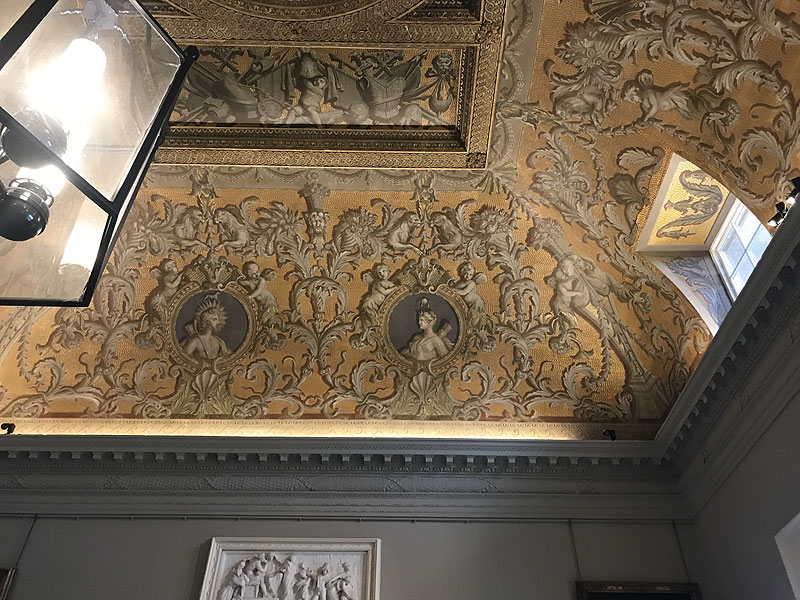
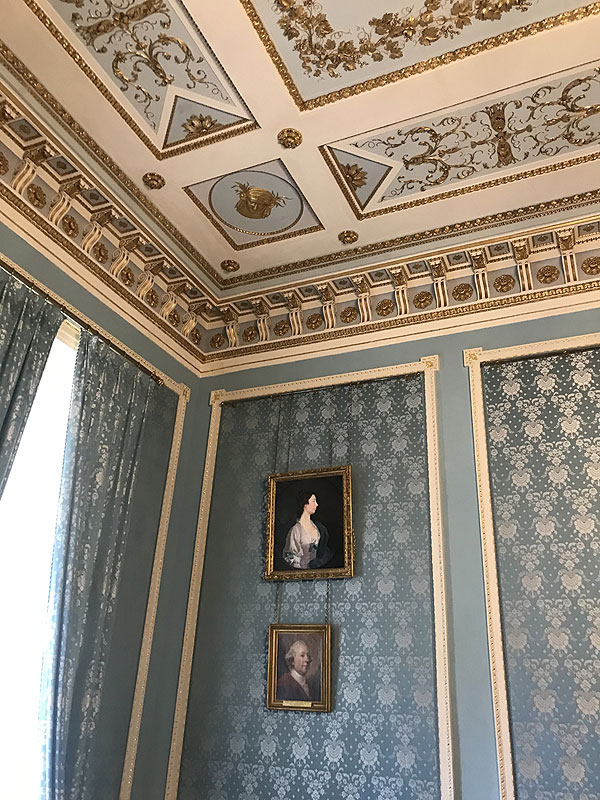
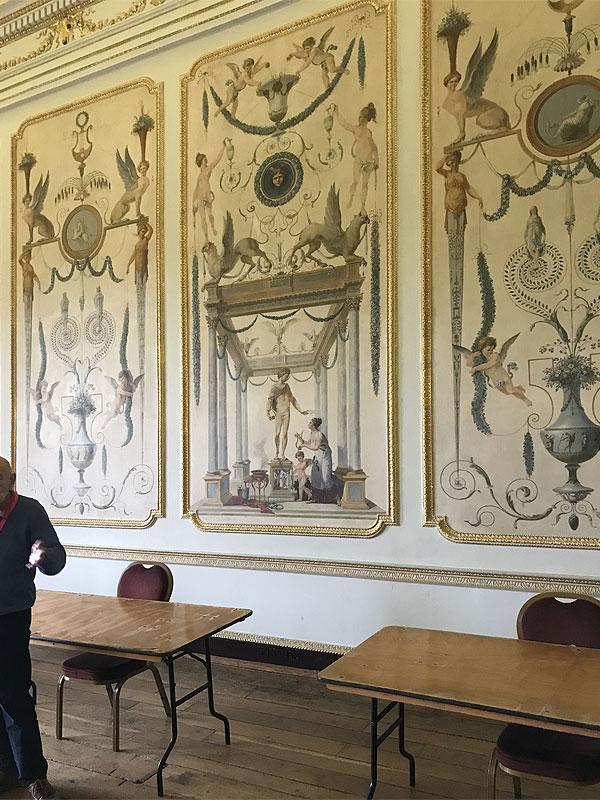
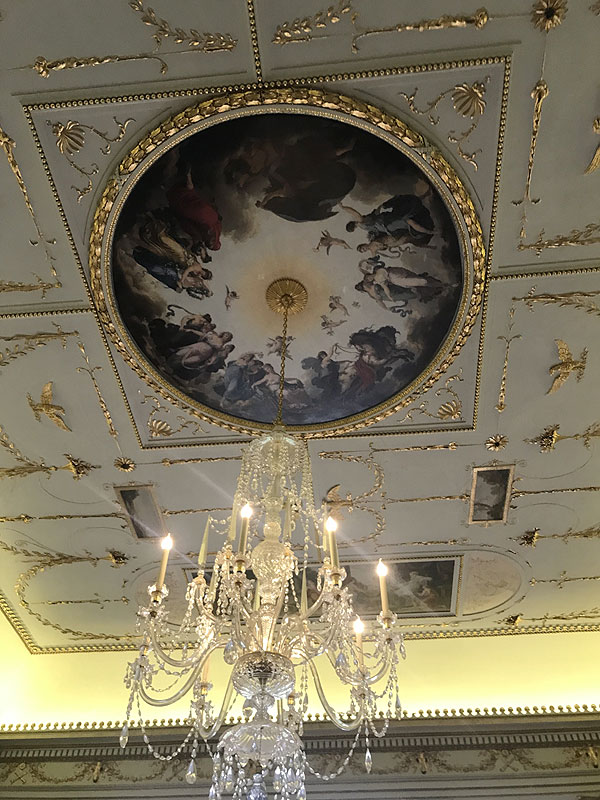
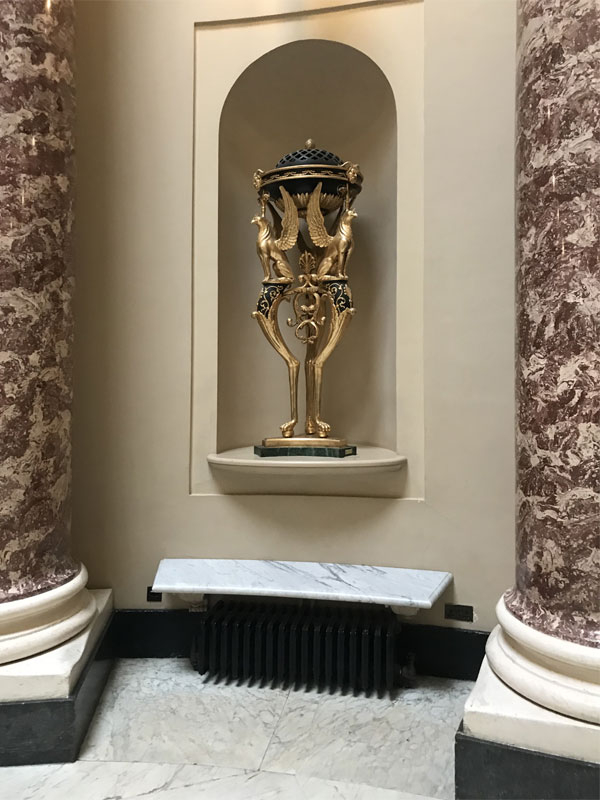
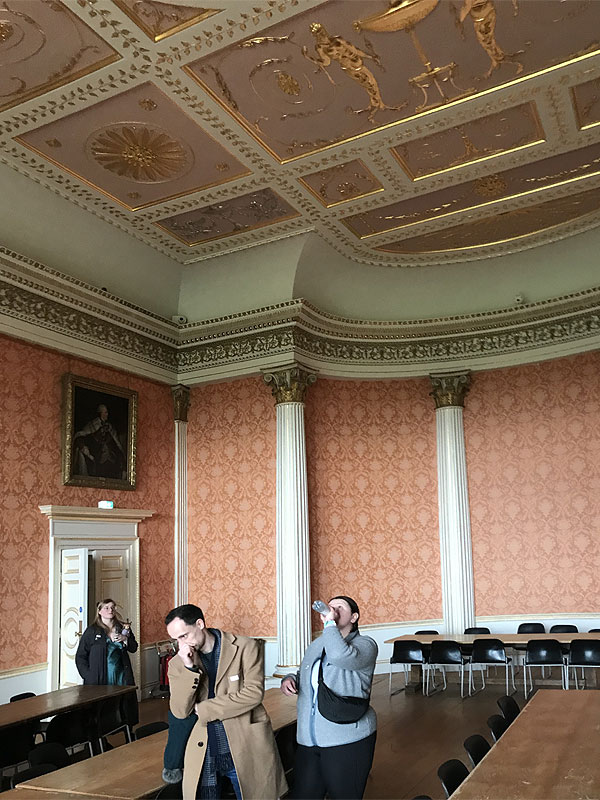
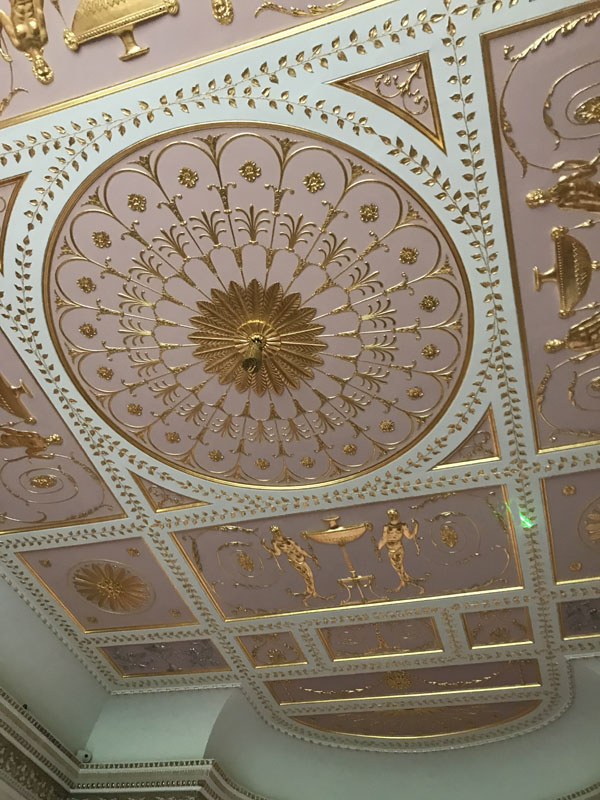
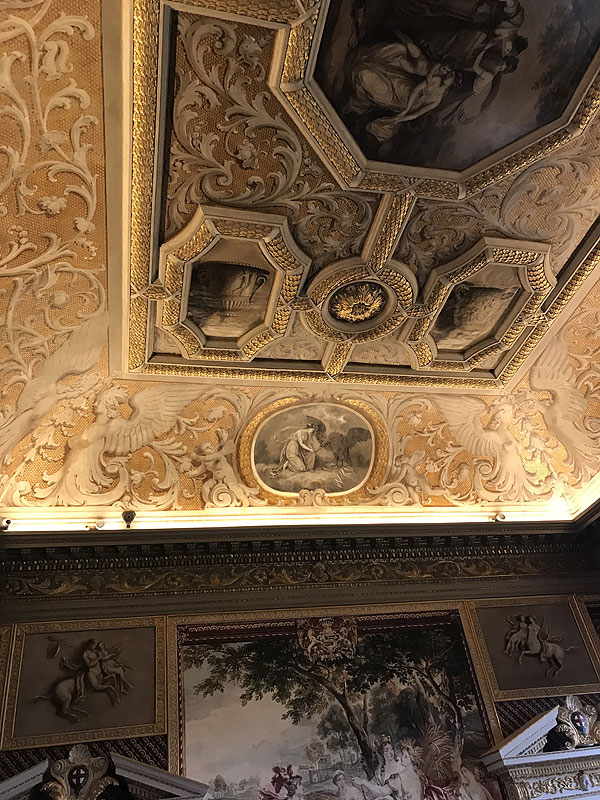
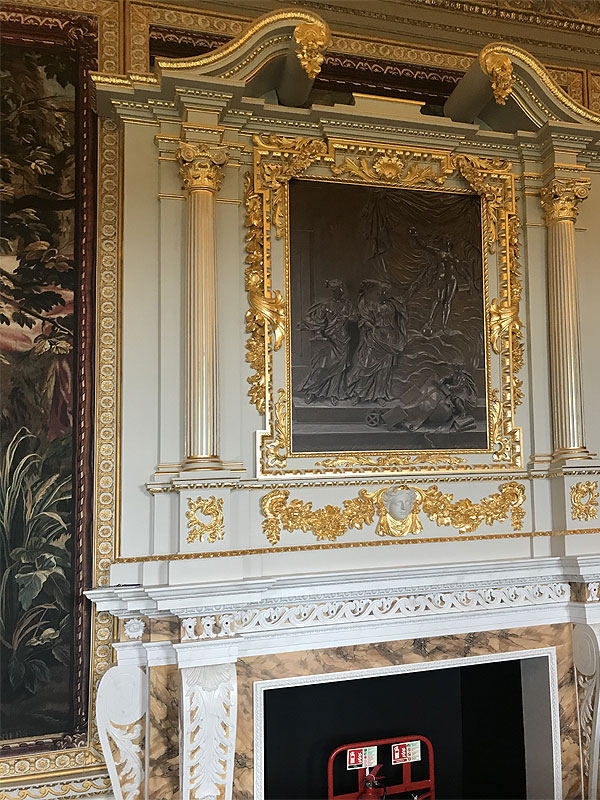
Stowe House nowadays houses a well-known public school, but on most weekdays the house is opened to the public. Visits are managed by the Stowe House Preservation Trust, which has a ‘Visitor Centre’ in the South basement front of the house, just to the left of the grand stairs. Access is by guided tour, with a self-guided option during school holidays. The immense house is built on a palatial scale, and has some magnificent interiors. It is regarded as one of Britain’s finest 18th-century houses. Restoration work continues, the total budget being £40 million (!)
If you are unable to visit on a weekday, you can see the exterior from the National Trust’s Stowe Landscape Gardens, which surround it.
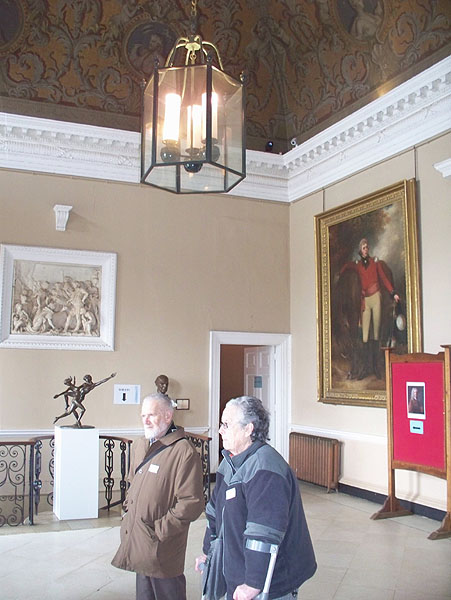
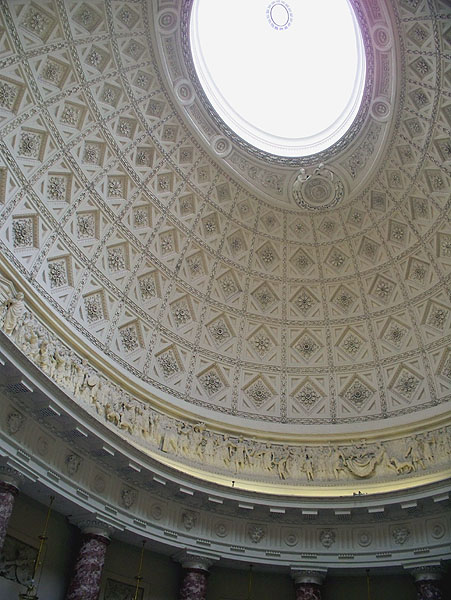
I thought that the central hall with its elliptical ceiling is really impressive, and the other state rooms are worth seeing too.
Please note that Stowe School, the Stowe House Preservation Trust, and the National Trust (who manage the gardens) are all separate organisations. Access to the house for tourists is via the National Trust’s gardens and the National Trust’s New Inn reception complex.
Rievaulx Terrace & Temples, Yorks
National Trust
The site is an artificial terrace of serpentine form, on a wooded escarpment overlooking the ruins of Rievaulx Abbey. Wide lawns are framed by banks of luxuriant flowers, and at either end of the terrace is a small temple. The Doric or Tuscan temple has flooring from the Abbey, and the Ionic temple at the other end was intended as a banqueting house and has elaborate interior décor. There is an exhibition in the Ionic Temple basement, in the former kitchen quarters. The terrace was constructed for Thomas Duncombe III, from the same family who owned Duncombe Park a mile away. Duncombe Park also has a formal terrace and temples, constructed earlier in about 1730.
The gardens are very pleasant, and worth a visit if you are touring in the area. Other attractions, e.g. Duncombe Park, Nunnington Hall, are nearby. In theory, the site overlooks the nearby Rievaulx Abbey below, but in practice the view (in 2005) is severly restricted by tree growth.