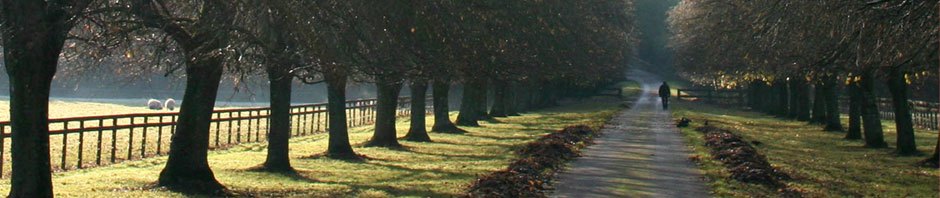
An interesting visit for astronomy buffs, as there are displays of historic instruments and the original buildings. There is now an admission charge, to the considerable annoyance of visitors who just want to be photographed standing on the Greenwich Meridian.
If you are in or around the park at noon GMT or 1pm Summer Time, watch the ball on top of the Observatory, which is slowly raised and then suddenly dropped at exactly noon GMT. It’s a traditional time signal to shipping in the Thames.
There are several other places to visit in and around the Greenwich Park, and some of those are free. (National Maritime Museum, Queens House, Royal Naval College, Rangers’ House, etc)
Day: 12 September 2011
Ascott, Bucks
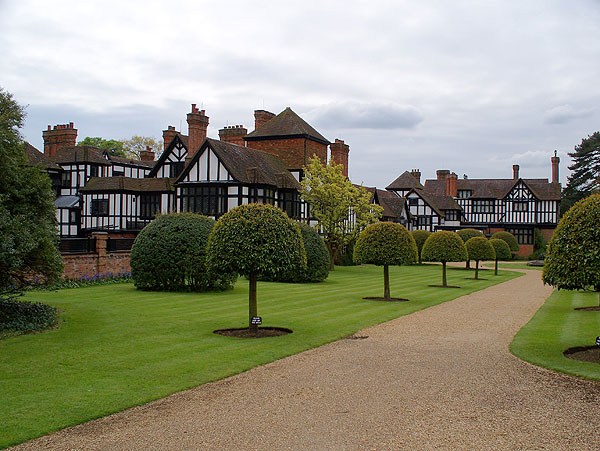 National Trust
This is one of the NT properties nearest to my house, but prior to May 2012, I’d only been there twice in 27 years. The building was a Jacobean farmhouse remodelled towards the end of the 19th century for the de Rothschilds. Inside is a collection of paintings, fine furniture and porcelain. Outside are gardens.
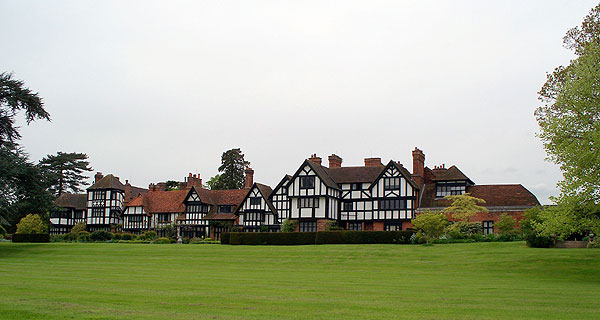
Ascott is perhaps of more specialist interest than some of the other NT properties. The house, which looks Tudor but was actually built in the nineteenth century, is of no particular interest. The interior was last remodelled in the 1930’s, when a redundant wing was also demolished. The de Rothschilds, who still use the house, own some of the contents. The contents include fine paintings by Hogarth, Gainsborough, Andrea del Sarto and Stubbs. There is also a little-known Turner, and many paintings by Dutch masters. The Porcelain Room and adjacent rooms house a large collection of Chinese porcelain.
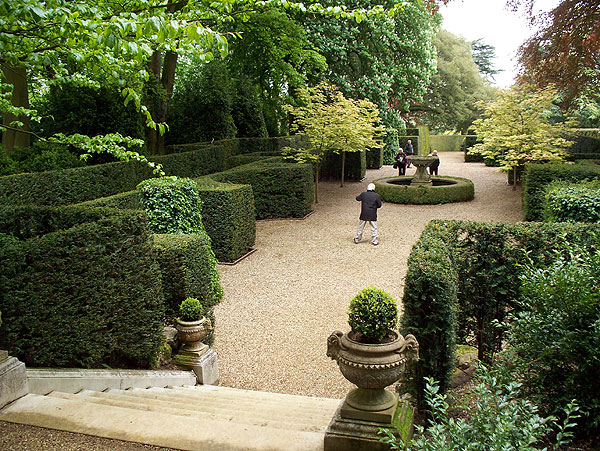
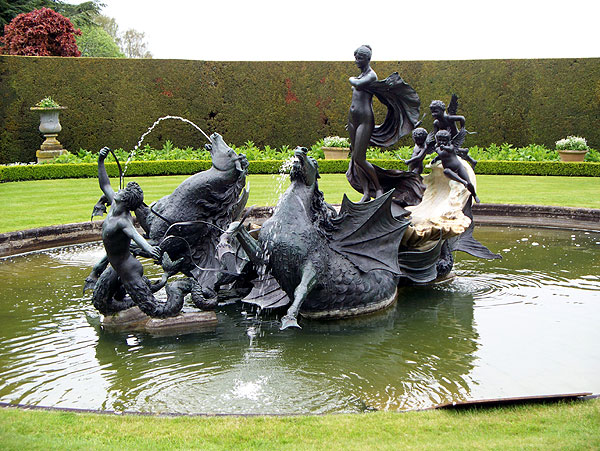
The gardens are rather fine and include an unusual topiary sundial, an impressive Venus Fountain, and a lake. The gardens are best visited by proceeding clockwise, starting at the near end of the house.
I confess that on two previous visits I didn’t find Ascott particularly interesting. Garden buffs should enjoy the gardens. If you are interested in painting or ceramics, then visit the collections. The house is near a main road and parking is free. There is no tea-room or shop.
While I was in the house I noted an older gentleman with an upper-class accent talking about an art sale he had visited. I later realised that he looked rather like the photo of Sir Evelyn de Rothschild in the guidebook…
Audley End, Essex
 English Heritage
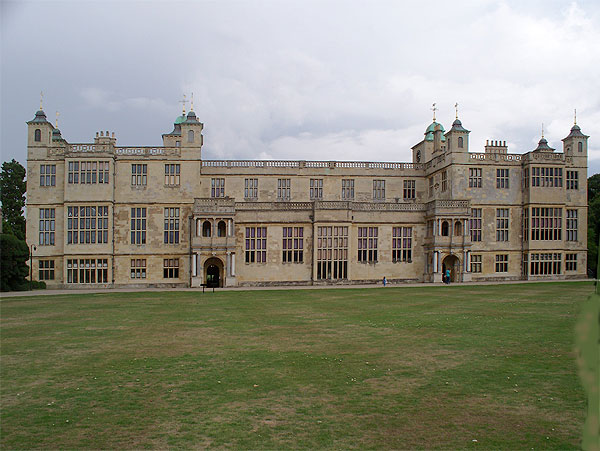
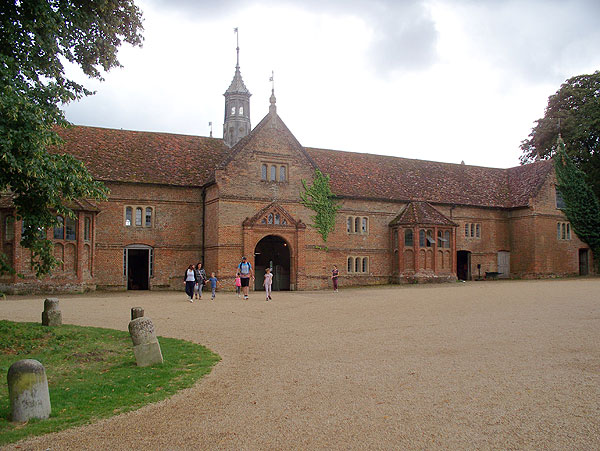
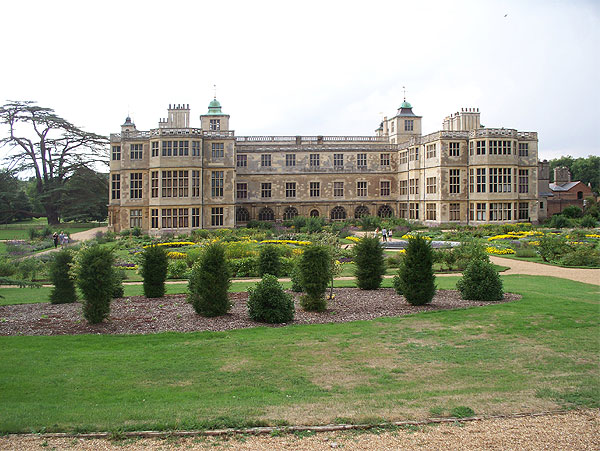
In contrast to many EH properties, Audley End is complete and fully furnished. The house origins date from the period of Henry VIII, when Audley was three times its present size, but the present appearance of the house, inside and out, dates from the 19th century. Noted occupants include Henrietta Howard, later a royal mistress and occupant of Marble Hill House, Richmond. The contents, including pictures and a natural history collection, are well worth seeing. Note that most of the best stuff is on the first floor, so that on our last family visit my sister and I saw a lot more items than did my late mother, who was in her wheelchair and preferred to wait below. Apart from the house, there is the Service Wing, with re-enactments of servant life, The Stable Block, with horses, the Walled Garden, the Gardens with artificial lake, and extensive parkland. The gardens behind the house are worth a walk-around.
Recent revisit: August 2018, nurseries now open on upper floor.
Suggested visit time: at least a half day – there’s plenty to see and do.
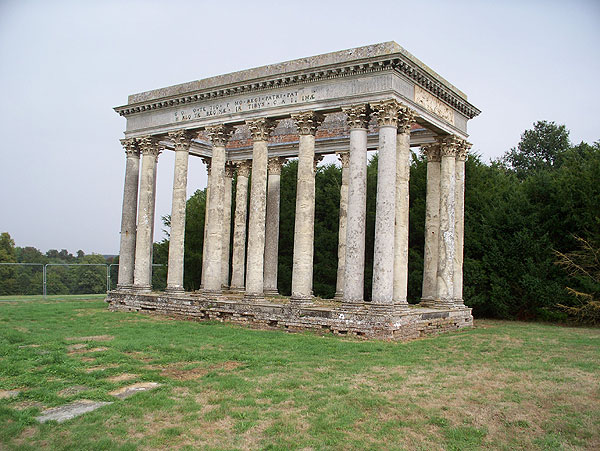
Boarstall Duck Decoy, Bucks
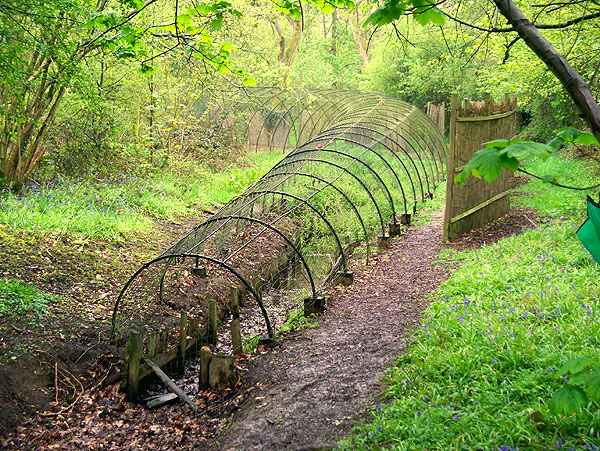
The second time, in May 2012, I was able to walk around the lake and see the curving funnel-shaped decoy nets placed over curving lake inlets.
Visiting dates are somewhat restricted.
Boarstall Tower, Bucks
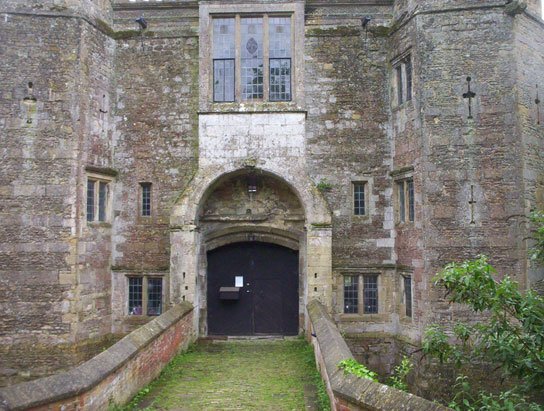
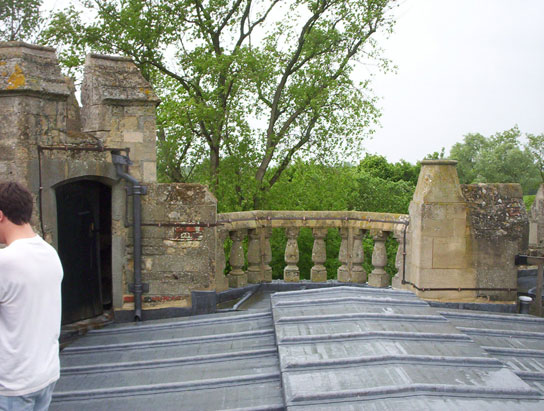
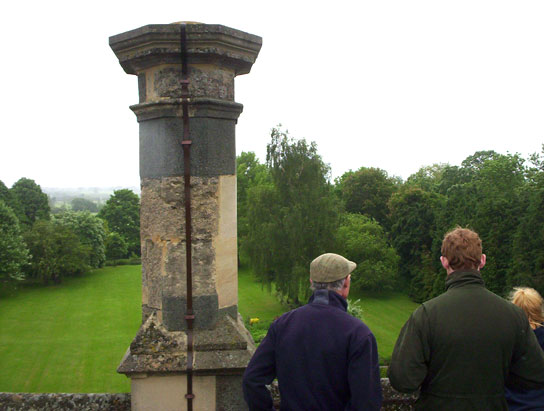
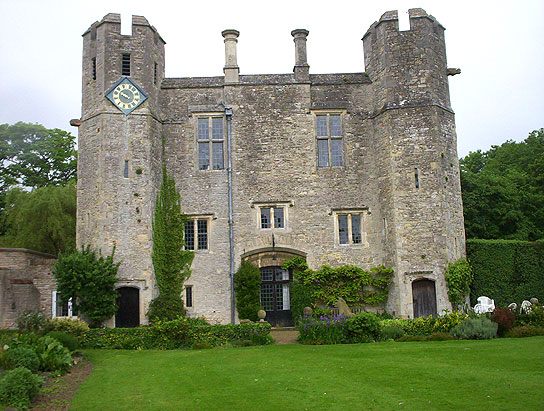
A 14th century moated gatehouse tower, once part of a fortified manor house. The tower is fairly small but quite interesting, and there are some views from the roof. The gardens are attractive.
Restricted opening – see NT guidebook or website. Worth a visit if you are in the area.
The Boarstall Duck decoy is nearby, and it’s possible to visit both the same afternoon.
Boscastle, Devon
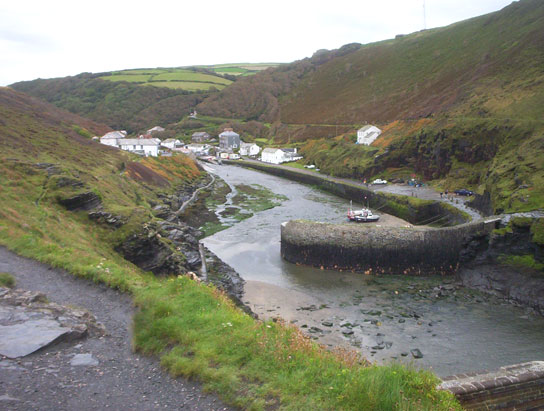
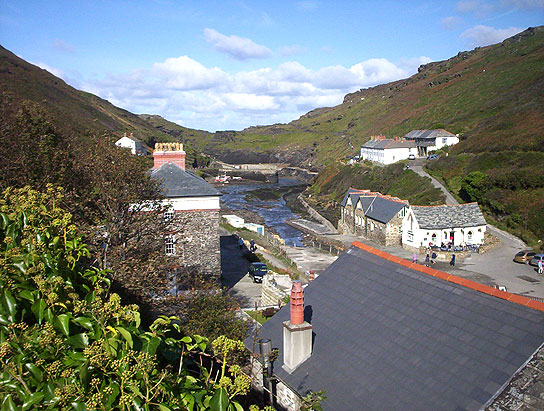
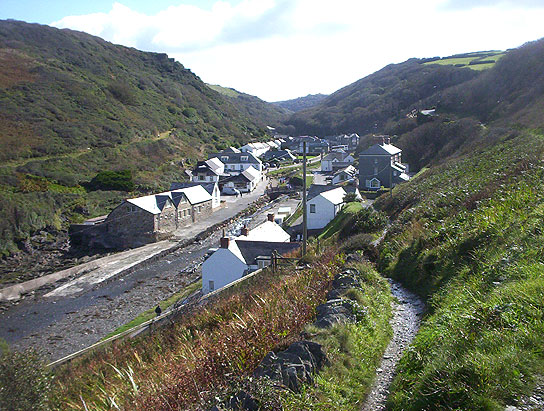
The village is of course famous for nearly becoming an ex-village during a disastrous flood a few years ago. At the village centre you can visit a small museum of the disaster and look at the new bridge and flood prevention works. It’s worth making an effort to tramp further afield, as there are interesting walks down to the harbour mouth (both sides), or if you can find a paper walk guide, you can walk around some hilly old streets looking at old buildings of interest. The harbour largely dries out at low tide.
Boughton House, Northants.
Private (HHA)
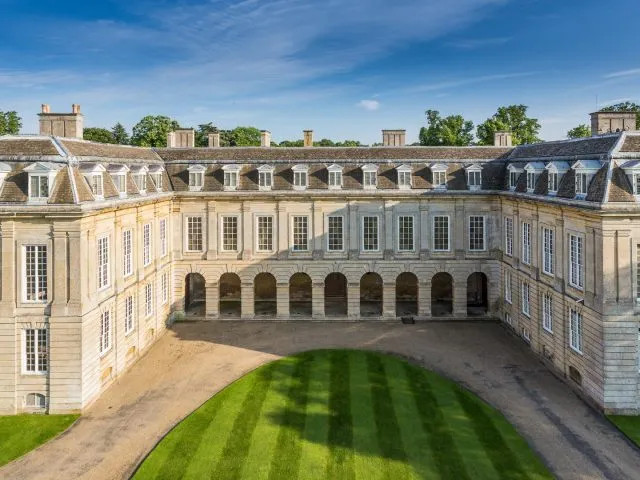
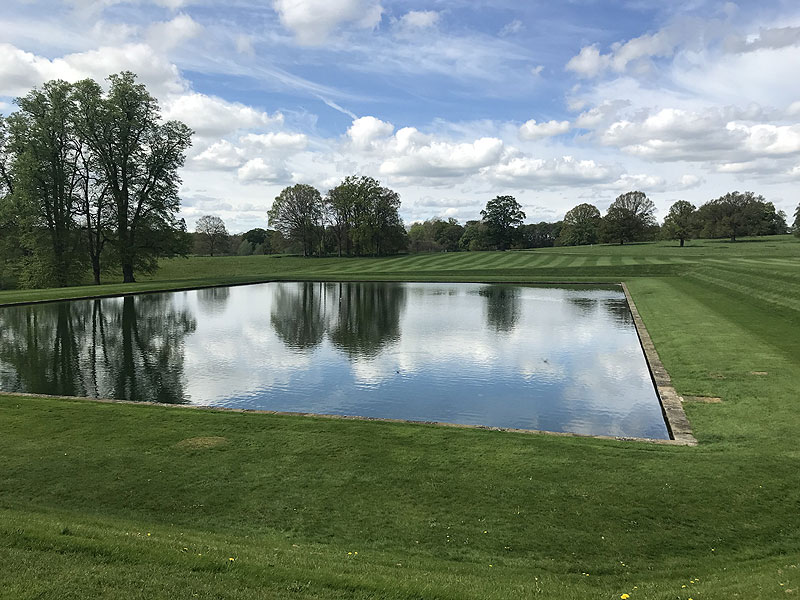
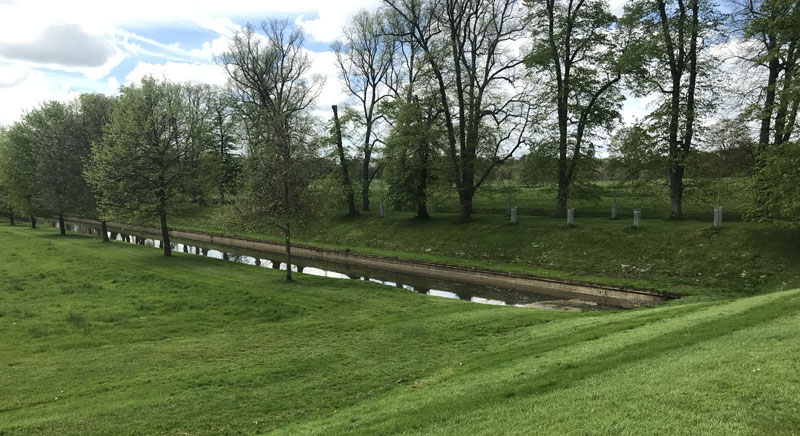
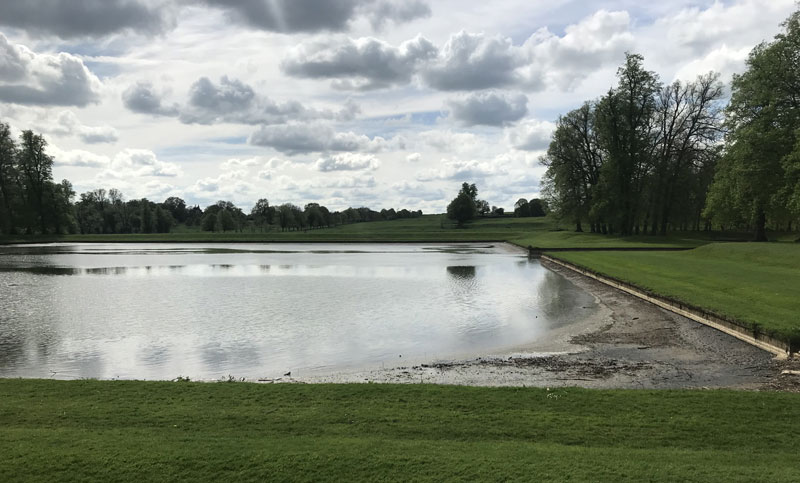
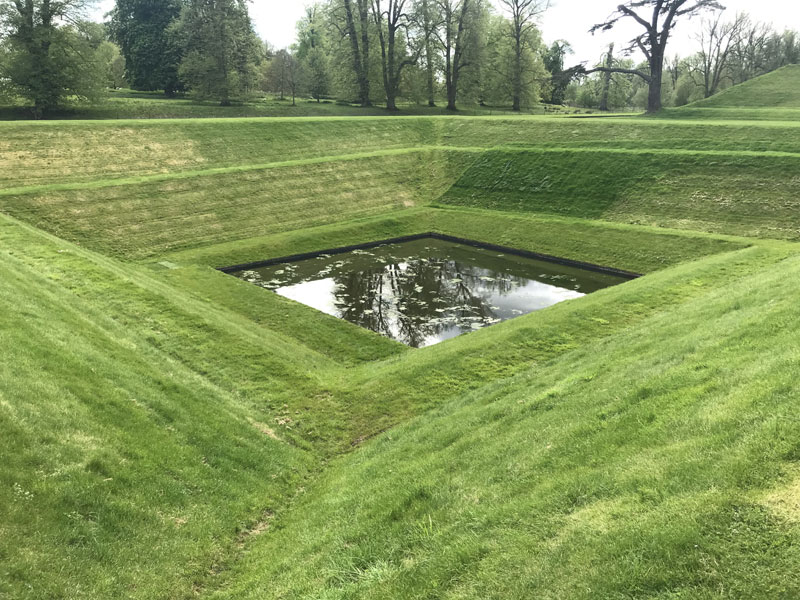
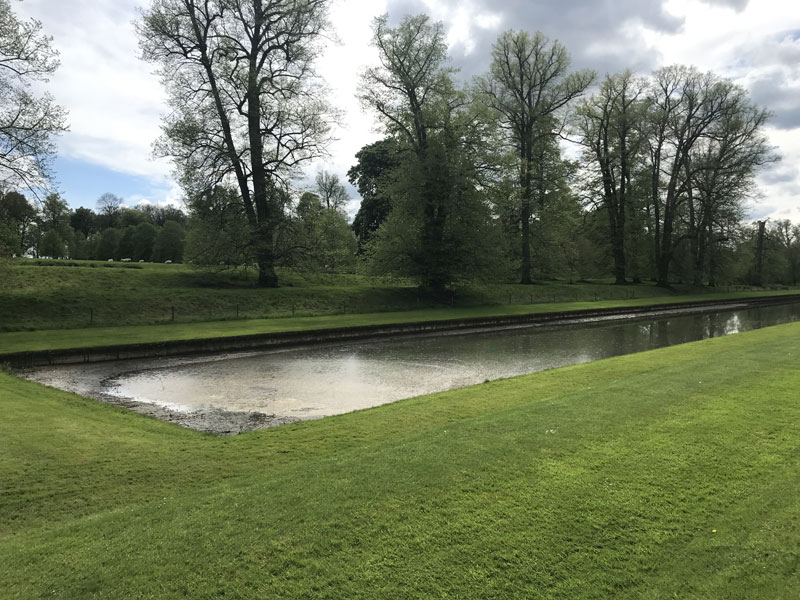
An imposing house “The English Versailles” notable for looking a bit like a French palace. The contents include fabulous treasures – a large collection of fine art including paintings, furniture, porcelain, weapons, textiles, claiming to be one of the major treasure houses of England. It has seven courtyards and a wing which remains as an unfinished shell, revealing details of the construction. The gardens and estate are also notable. The 17th century design features of the gardens, including square ponds and a series of canals have been restored. Note the pyramidal mound and the matching hole ‘Orpheus’. The walled garden near the house is also worth a visit. The house is open during August and a few other dates, the gardens more often. Suggested visit time: at least a half day.
The visitor information includes prices for optional tours. When I visited, my basic admission (free with HHA) allowed a self-guided tour of the State Rooms and most of the ground floor, and the grounds, but the optional tours were fully booked.
All photos from May 2024 visit.
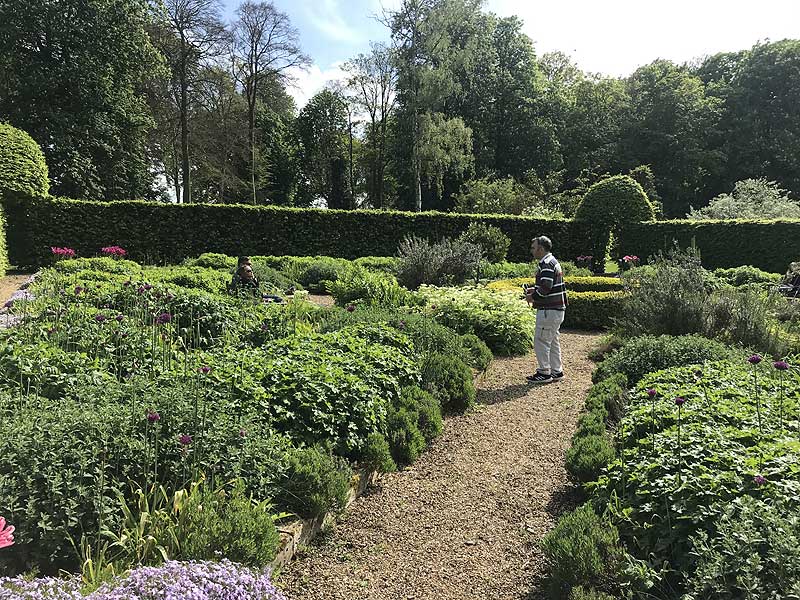
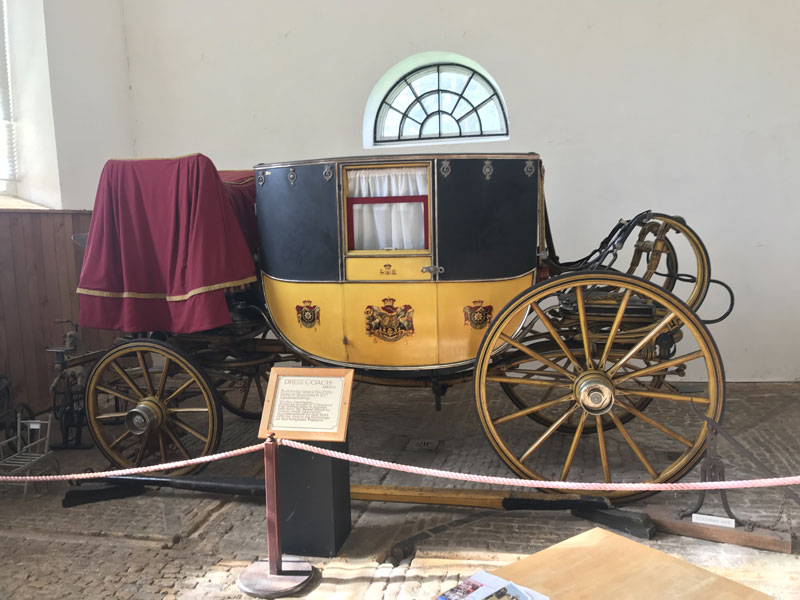
Branscombe Bakery, Manor Mill and Forge, Devon
The mill and forge are in working order, and teas are available in the Old Bakery. The thatched buildings are over 200 years old. The village is quite near to the sea coast. Worth a vsit if you are in the area. If I remember correctly, road access is narrow, twisty, hilly and potentially congested.
Chastleton House, Oxfordshire
A Jacobean country house, left almost unchanged by its increasingly impoverished owners, and preserved as a time-warp site by the NT. There is no shop or tea-room. Externally, it’s an attractive building, and the contents are also of interest. The gardens include some unusual topiary. Admission is by timed ticket, and there is a cap on daily visitor numbers.
Cobbaton Combat Collection, Devon
One man’s collection of over 60 military vehicles, plus weapons and artefacts, crammed into several cluttered buildings. There is also a shop selling collectibles and a working NAAFI canteen.
If you like militaria, this is clearly for you. The items, which include everything from uniforms to tanks, are not restored to pristine condition, but you can imagine that they’ve recently been used. Suggested visit time: 2 hours +