Private
(Visited as part of “Open House London.”)
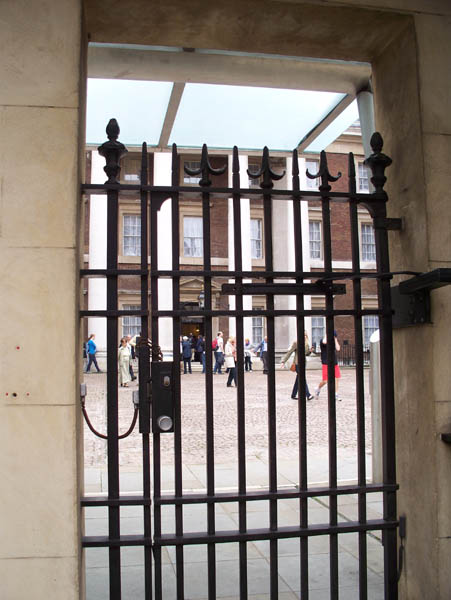
26 Whitehall was built in 1725, and houses the Admiralty Boardroom, still used by the First Sea Lord to direct the operations of today,s Royal Navy. The rest of the building is now used by the Department of International Development. The Boardroom contains notable wooden panelling, with a limewood centre-piece by Grindling Gibbons. There is also a wind dial connected to a vane on the roof, and various naval paintings and other artefacts.
The adjoining Admiralty House was built in 1785 as the residence of the First Lord of the Admiralty, and the ground floor contains an elegant suite of staterooms. There is a steep, doubly-wound stair lit by a elegant lunette.
Both buildings contain art and antiques from the MOD Art Collection. Well worth a look.
Not normally open to the public. Internal photography not permitted.
Category: House
Grand houses
Banqueting House, London
 Historic Royal Palaces
(Visited as part of “Open House London”)
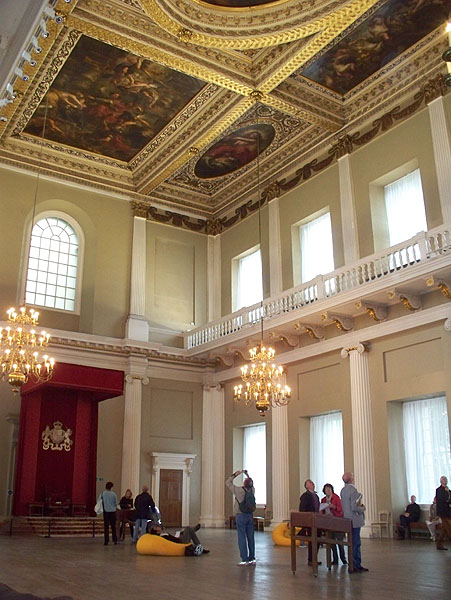
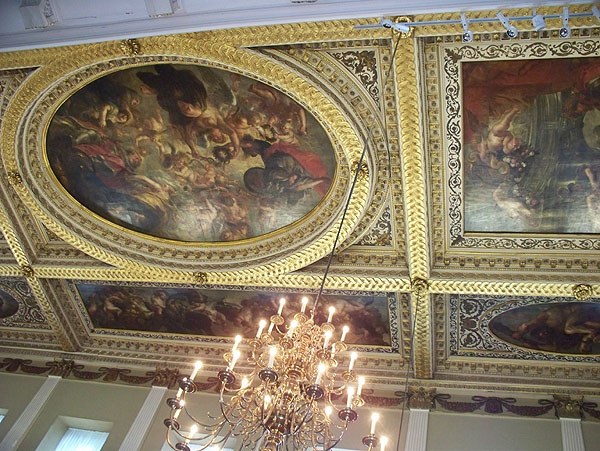
Banqueting House, Whitehall is one of the first English Palladian style buildings, designed by Inigo Jones for James I and finished in 1622. It was intended for masques, receptions and entertainments, but was less used after the ceiling paintings by Peter Paul Rubens were installed in 1630-4. The smoke from candles during evening receptions had begun to damage the paintings.
The building is probably most famous as the scene of the execution of Charles I. It’s ironic that one of the last things Charles did was to walk under paintings glorifying the divine right of kings.
Regularly open to public -charges apply.
Well worth a look.
Taplow Court, Bucks
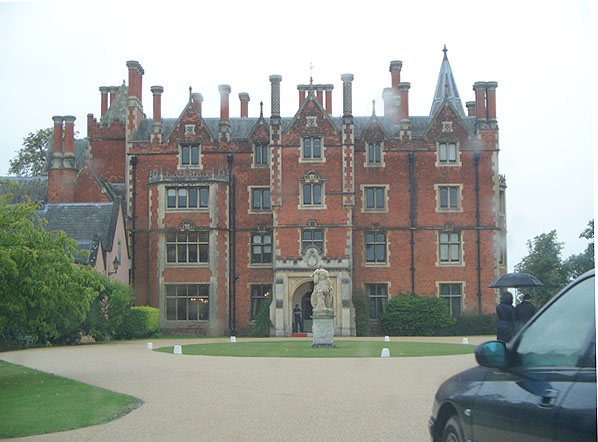 Private.
Heritage Open Day visit.
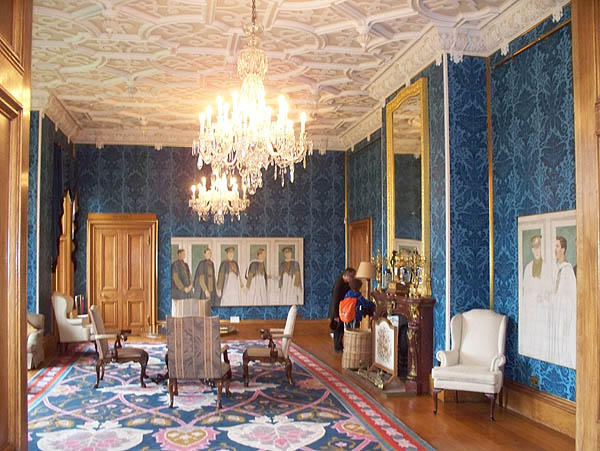
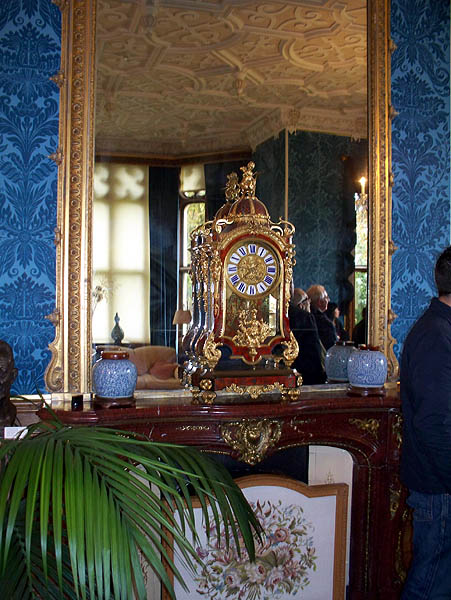
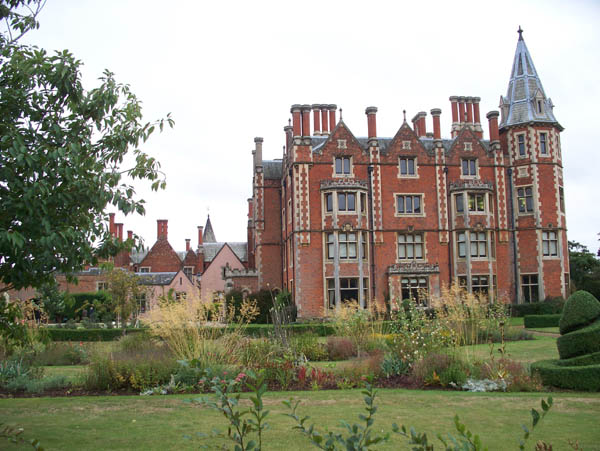
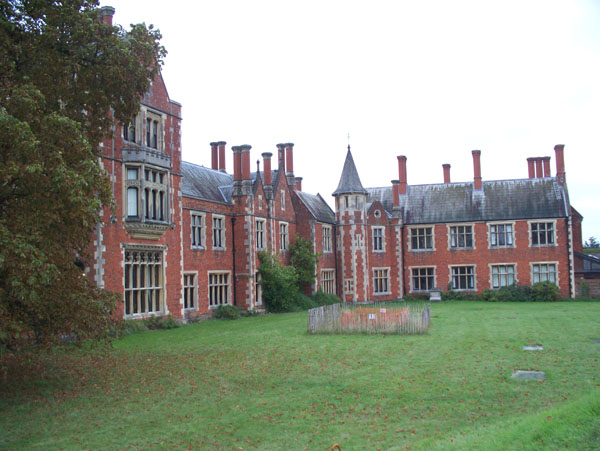
Taplow Court is a large Victorian house in the village of Taplow in south Bucks. The present house was originally Jacobean, but arrived at its present appearance by stages of modification and extension, by the Earls of Orkney in the 18th century, then after it was sold in 1852, by the Grenfells. William Grenfell, Lord Desborough, was the organizer of the first Olympic Games in Britain, in 1908.
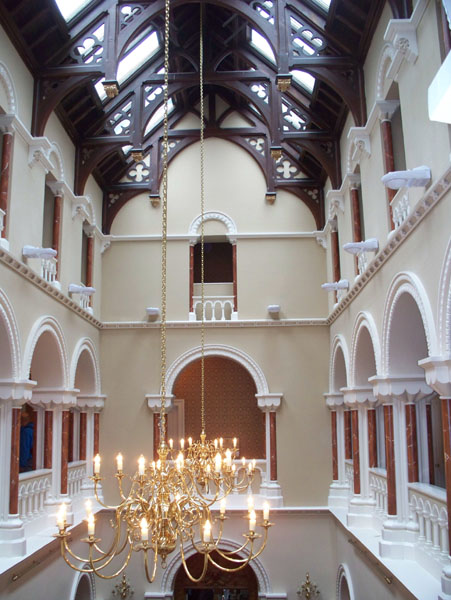
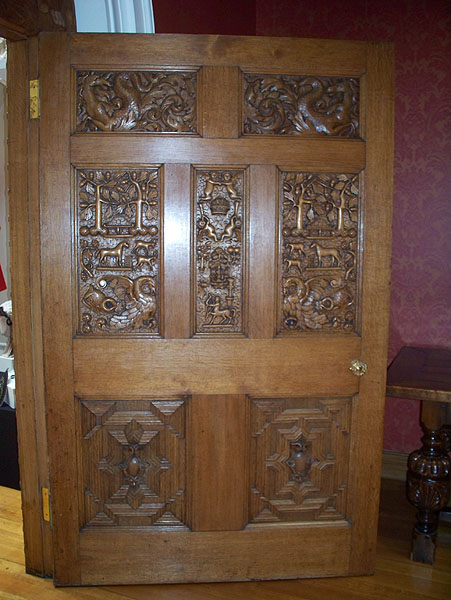
The focus of the interior is the three-storey Norman Hall, inserted by the Orkney heir, Thomas Hamilton in the 1830’s. The hall doors are beautifully decorated with carved wood panels.
The house is now owned by SGI (Soka Gakkai International Buddhists), who seem to have spent a great deal of money restoring the house and grounds.
The attractive grounds include gardens, and there is an important Saxon burial mound just behind the house.
The house and grounds are worth a visit. They are open free of charge on several Open Days each year.
Coughton Court, Warwickshire
National Trust
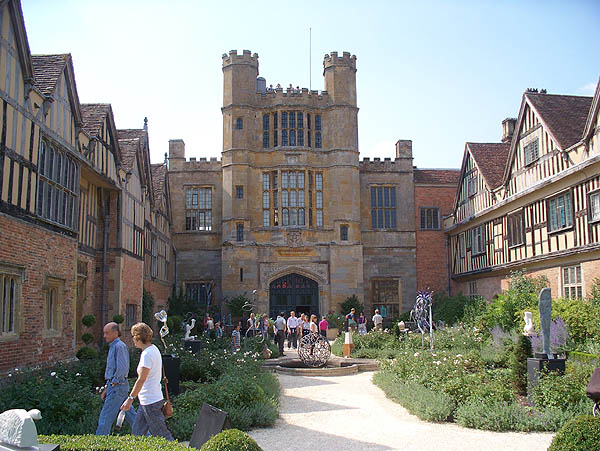
The Throckmorton family have owned Coughton (pronounced ‘coat-on’) since the 1400’s and the present house, with its gatehouse and two wings, dates from the 16th century onwards. The Throckmortons were a Catholic family, and much of their history is a story of persecution, secret worship, and hiding priests. The family were also entangled in the Gunpowder Plot conspiracy.
The house, as seen from the courtyard, has two projecting brick and timbered wings in a Tudor-ish style, connected by an imposing stone gatehouse. From the other, West, side, the stone gatehouse, flanked by a pair of Gothic styled wings, dominates.
Parts of the gatehouse, including the roof, and most of the South wing are opened to visitors. A ‘priests’s hole’ can be seen in the tower. The house contents are interesting, and include some religious relics. The double-height Saloon is the biggest room, and apparently was the medieval Hall. Looking at the ground-floor South wing plan, it appears that there are some spaces near the end of the tour that are easy to miss.
In the grounds, there is no shortage of things for visitors to look at: a walled garden, a lake, river walks, an orchard, two churches, and a vegetable garden. When I visited there were scores of for-sale sculptures dotted around the grounds.
Coughton appears to be a popular destination, and if you want to go around the house it is advisable to go early to avoid being caught out by the timed entry ticketing.
Ragley Hall, Warwickshire
Private.
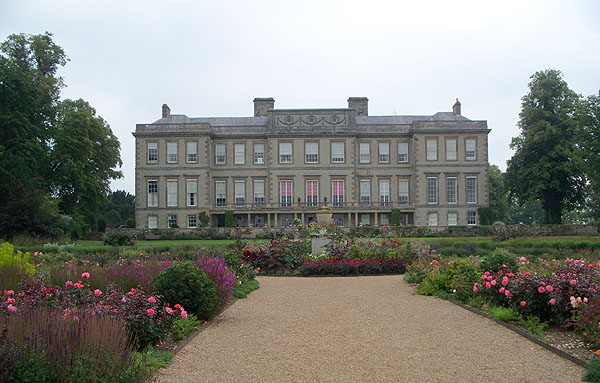
Ragley Hall was built from 1680, but not fully furnished and decorated till the middle of the 18th century. The house and the contents have not been greatly changed in style since then, but extensive restoration had to be carried out after the Second World war, when the house was used as a hospital. It is still owned by the Seymour family (Marquess of Hertford), who have owned the estate for centuries.
The principal floor contains a number of finely decorated rooms with impressive plasterwork, starting with the double-height Great Hall and continuing through the Music Room, Breakfast Room, Dining Room, Mauve Drawing Room, Red Saloon, Green Drawing Room, and Library. The contents are unremarkable, as all the best stuff went to the Hertford’s house (Wallace Collection) in London.
Some touches let you know that you are in a private home, not a National Trust house: a garish modern art canvas hung above the North Staircase Hall, the Prince Regents bed moved to provide a games room for the teenagers, and a vast and colorful modern mural by Graham Rust enlivening the South Staircase Hall.
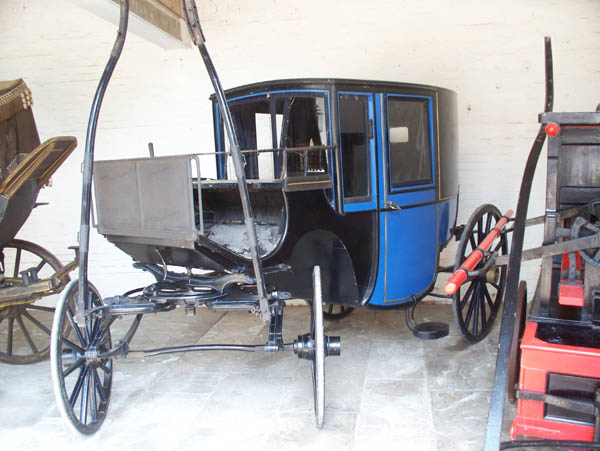
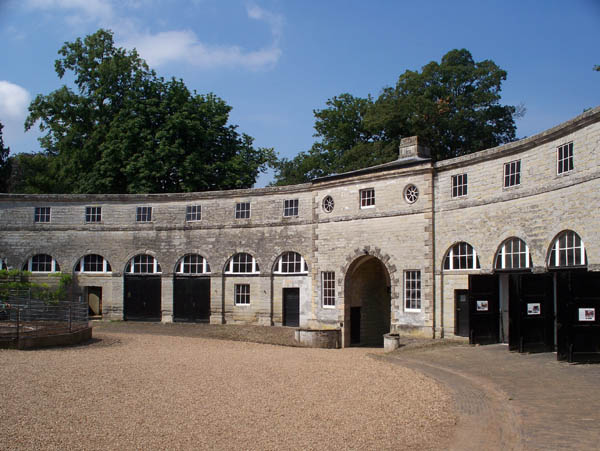
Outside, there are formal gardens near the house, a stable block with an interesting carriage collection, an ice-house, and an extensive park including a lake.
Note that the standard admission admits you to the park and grounds only, and you have to pay a further fee at the house, if it’s open.
(If you are expecting to see an outdoor sculpture collection, you won’t, as it was removed over a year ago.)
No interior photography was allowed. Click on images to enlarge.
Hinton Ampner, Hampshire
National Trust.
Hinton Ampner is best known for its fine garden and stunning views to the south. The country house itself represents the fifth rebuilding on the site. It was remodelled in 1960 by Ralph Dutton, the 8th and last Lord Sherborne, after a devastating fire destroyed the interior and most of the contents.
The house, previously Victorian, has been remodelled in a Georgian manner to contain Ralph Dutton’s collection of Georgian and Regency furniture, Italian pictures and objets d’art.
I found the house of more interest than the gardens. Dutton seems to have been particularly fond of objects made of porphyry, and of tables and cabinets inlaid with semi-precious stone.
If you like formal gardens, look at the Sunken Garden behind and below the house. The garden descends in a series of terraces.
If you are looking for the Walled Garden, you already saw part of it, as a section is fenced off to serve as the reception route.
A small old church also stands in the grounds.
I have not included any pictures of Hinton Ampner, as I arrived there after two hours in a hot car on one of the hottest days of the year, and the sole thought in my head on leaving the car was to buy some chilled water ASAP.
Wallace Collection, London
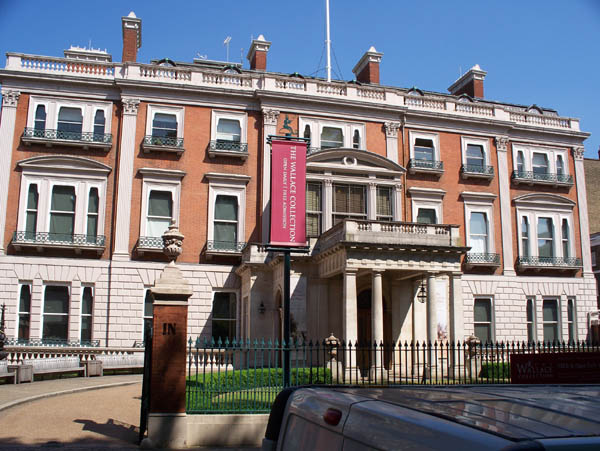
The Wallace Collection is a national museum in an historic London town house. In 25 galleries are unsurpassed displays of French 18th century painting, furniture and porcelain with superb Old Master paintings and a world class armoury.
The Wallace Collection is a family collection in origin, and is now owned by a private trust. Hertford House was formerly owned by the Wallace family. Its works of art were collected between about 1760 and 1880 by the first four Marquesses of Hertford and Sir Richard Wallace, the son of the 4th Marquess.
To the visitor, Hertford House seems like a combination of stately home and museum. In addition to the grand rooms, parts of the building that formerly housed stables etc have been converted to museum galleries.
The collections are world class and include well-known paintings such as the ‘Laughing Cavalier’ and ‘Girl on a Swing’, fine furniture, including several pieces that belonged to Marie Antoinette, fine porcelain and other art objects, and a large collection of medieval and Oriental arms and armour.
With one piece of furniture reputedly being worth several million pounds, one could guess that to repurchase the collection at today’s prices would cost the equivalent of the national debt!
I left the Collection unvisited for many years because it gets little publicity, and I supposed that a private collection would be rather dull – an impression that turned out to be totally wrong.
Admission is free, but you can buy a useful guidebook for £5. If you don’t know where to start, take the Highlights Tour (free).
For meals and snacks, there is a restaurant in the courtyard, but some visitors may find it a bit pricey (a cold drink and cake cost me nearly £6).
Visit time – to see everything takes most of a day. Nearest Tubes are Bond Street and Baker Street, but a bus will drop you nearer.
Speke Hall, Liverpool
National Trust.
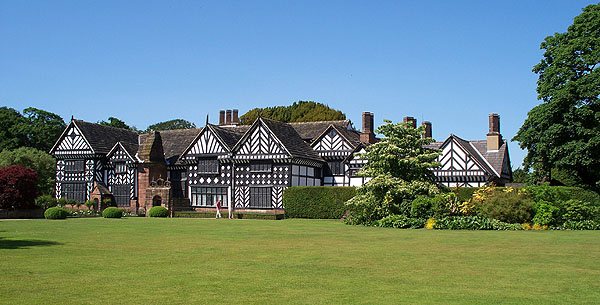
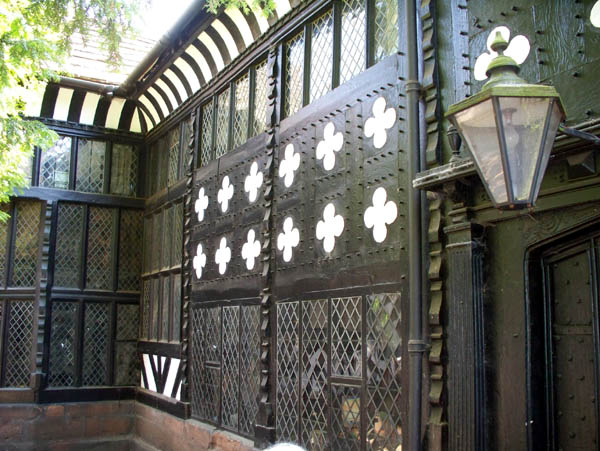
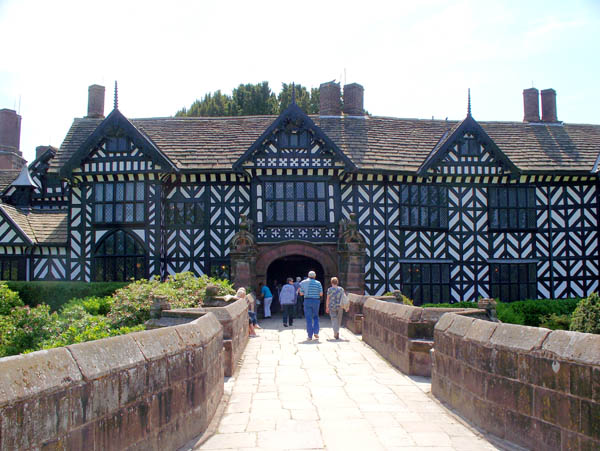
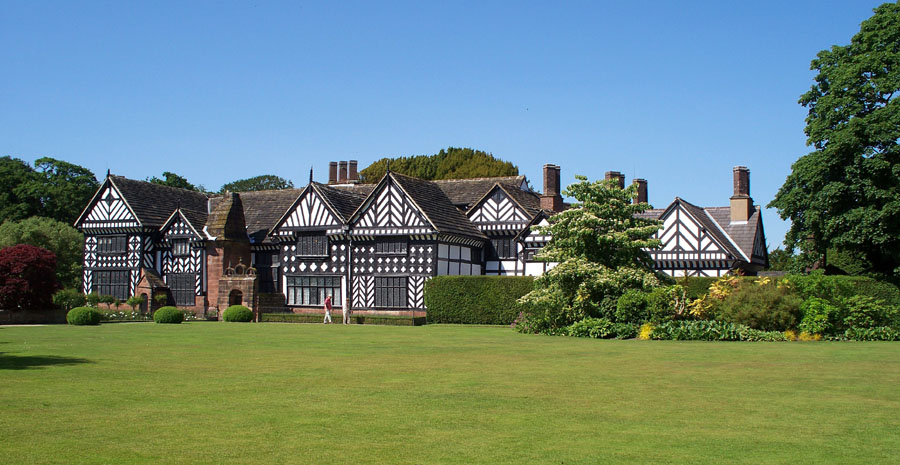
Speke Hall was built in stages during the sixteenth century by the Norris family, and now comprises four timber-framed ranges built around a central courtyard. The south-eastern corner with the Great Hall appears to be the earliest part, and the east range, containing the kitchen and scullery, is the latest.
The house later was neglected, and when purchased by Richard Watt in 1795 it appears to have been derelict, with the west wing in complete decay. A full restoration was not carried out until the 1850’s, and this gave the interiors their present antiquarian character. William Morris wallpapers were put up in various rooms. The Tudor-style furniture was mostly introduced in the 19th century.
The double-height Great Hall is of irregular shape and contains two fireplaces and elaborate wooden panelling and bay windows. The Great Parlour has an ornate plaster ceiling, and a large fireplace with above it carved wood panels representing William Norris II with his two wives and nineteen children. At the other end of the room is a massive oak buffet containing pieces of older carving.
The Blue Drawing Room was fitted out in the 17th century. It is presently decorated with William Morris wallpaper, and furnished with a suite of Louis XV style furniture purchased in the 19th century. There are several bedrooms on display. The arrangement of the kitchen and scullery dates from the Victorian renovations of around 1855, and the present cooking range was installed about 1910.
There are formal gardens around the house (mainly behind to the South) and a substantial park with woods, a kitchen garden and orchard, maze and visitor block (formerly a farm).
The black and white exterior of the house is striking, and the interiors contain many features and furnishings of interest. Outside, one can enjoy the formal gardens and walk in the wider grounds, which form an oasis of green in an area which today is heavily industrialised, with the airport a few hundred yards away. The River Mersey should be visible from the south edge of the grounds. (Click on images to enlarge)
Tatton Park, Cheshire
 National Trust.
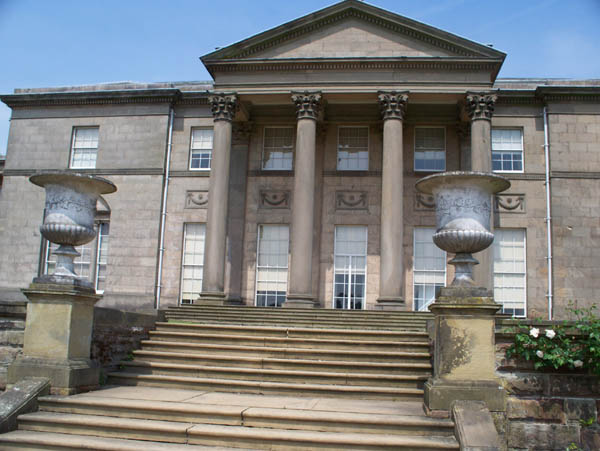
Tatton Park is a complete historic estate with the Neo-Classical mansion, a Tudor Old hall, 50 acres of landscaped gardens, a working farm and over 1000 acres of deer park. It was owned for hundreds of years by the Egerton family. The core of the present mansion was completed around 1716. The mansion was then extensively altered in the fashionable Neo-Classical style in two stages between 1780 and 1813, by the architects Samuel Wyatt and his nephew Lewis Wyatt.
The Mansion is richly furnished and has a valuable collection of paintings and books. In the Library, facsimiles are displayed of one or two of the more interesting volumes, including the Wallington Manuscript facsimile (a diary of the Civil War period which makes very interesting reading with its enthusiastic descriptions of executions and civil warfare).
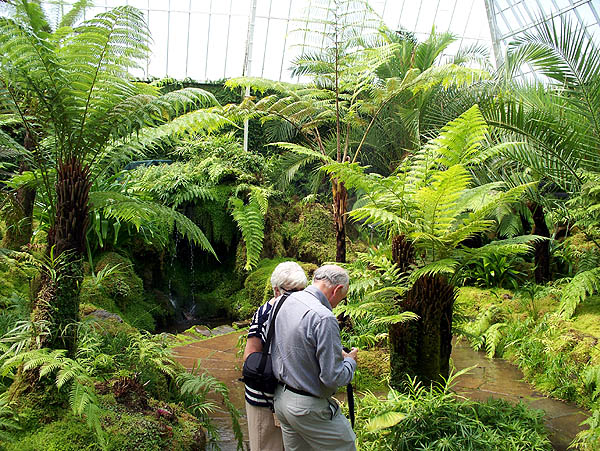
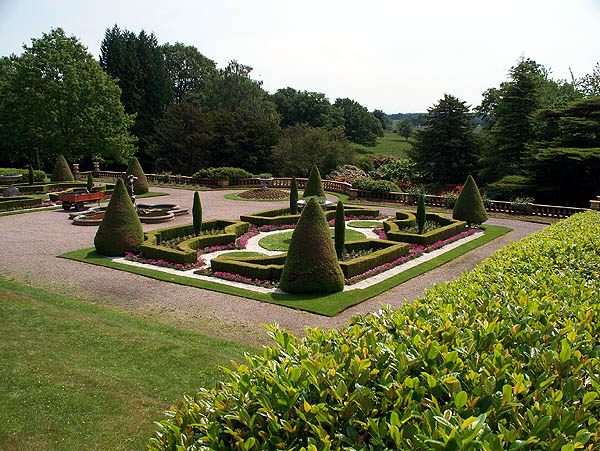
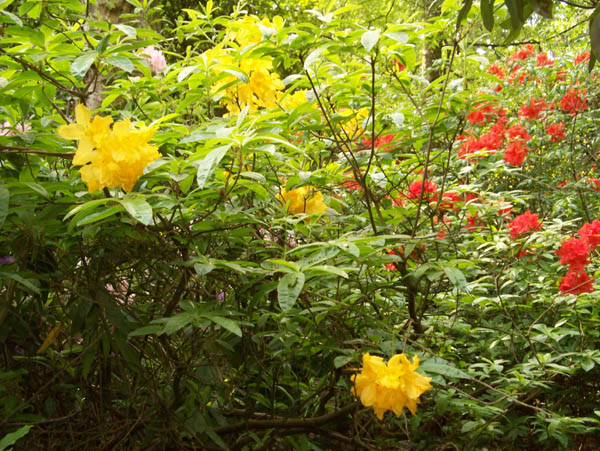
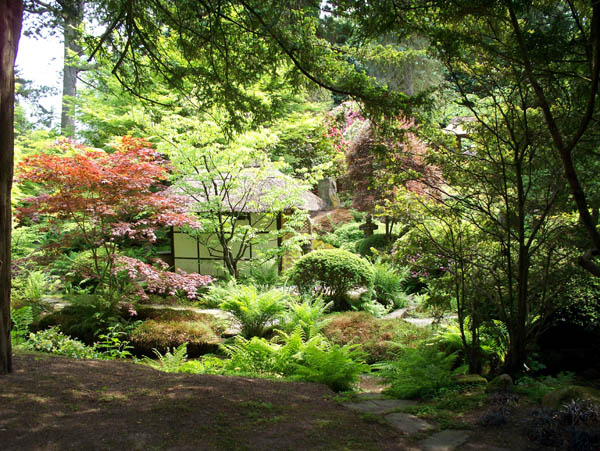
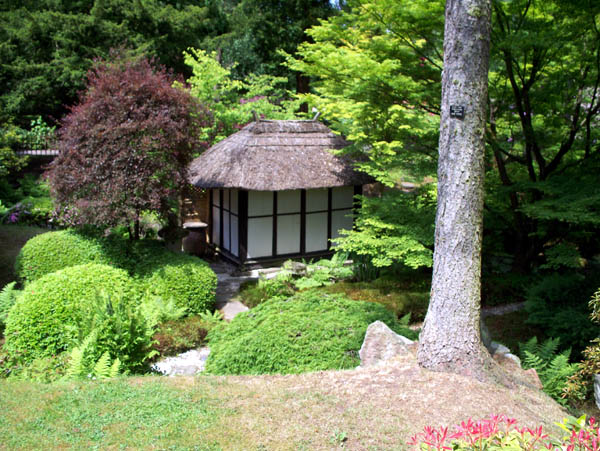
The Gardens have many areas with flowering trees etc, several large ponds, a Japanese garden (seen from perimeter), Italian Garden, 6 acre kitchen garden, tropical and temperate conservatories.
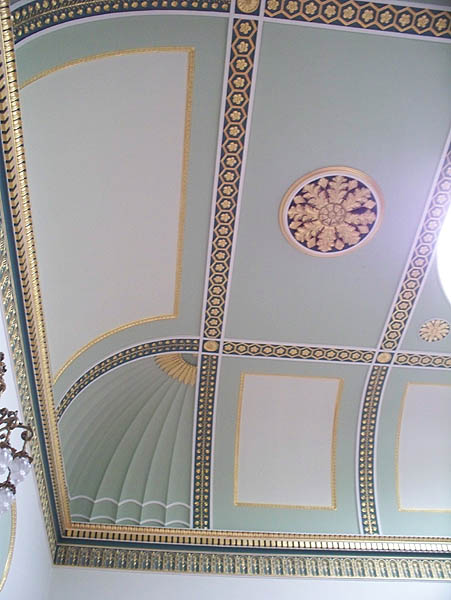
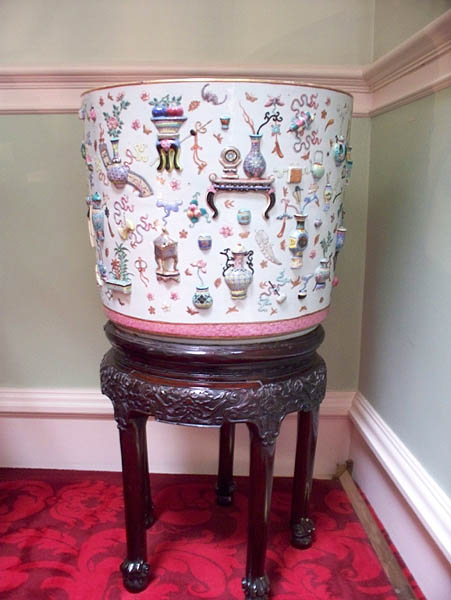
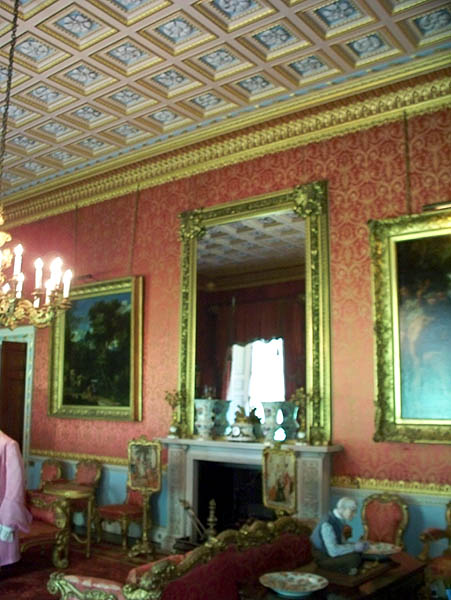
When I visited, I enjoyed an interesting special tour conducted by two “servants” which started at 10.30 am. Then I visited the gardens (large and impressive) then made a free-flow visit to house. Total 4.5 hours. (Click on images below to enlarge)
Lyme Park, Cheshire
National Trust.
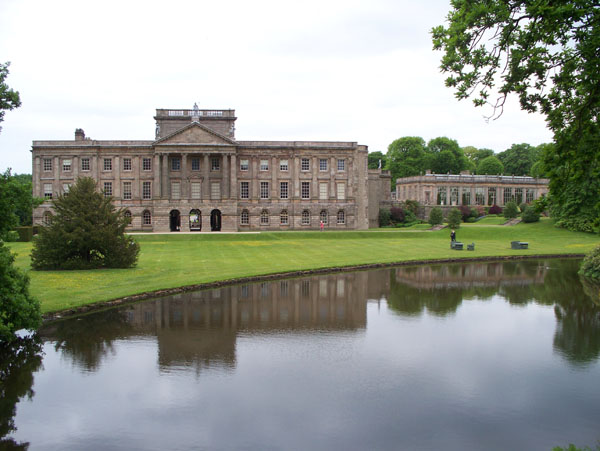
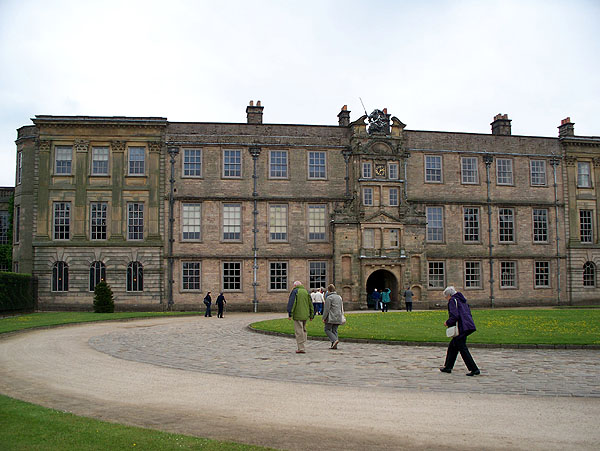
Lyme Park has been gradually developed since the Middle Ages. It was largely rebuilt during the reign of Elizabeth I, and the centre of the north front dates from this period. The Palladian courtyard, South front and West front date from the 18th century, and further alterations, mainly affecting the interiors, were carried out by the architect Lewis Wyatt in the 19th century. Wyatt altered floor levels, access routes and the functions of many of the principal rooms as well as changing the decor.
Internally, the house has a generally Jacobean aspect. Some rooms, like the Drawing Room, have survived from the Jacobean period with minor alterations, while others have been reworked, while still being fitted out in a Jacobean style.
The house was owned by the Legh family from the Middle Ages till 1946.
On the first floor, many of the principal rooms are on display, while on the second floor, the Long Gallery and some other rooms can be seen. A tour can take around 2 hours.
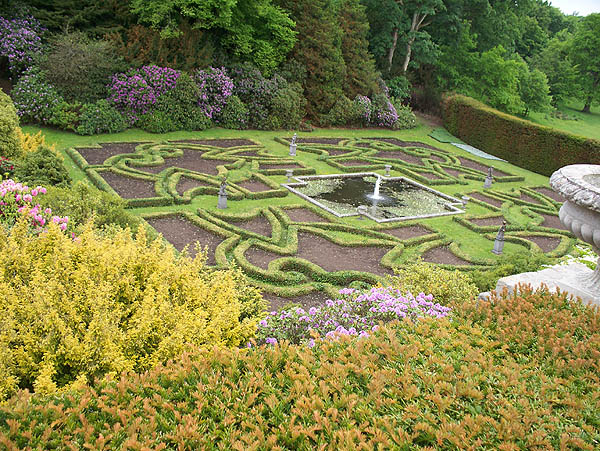
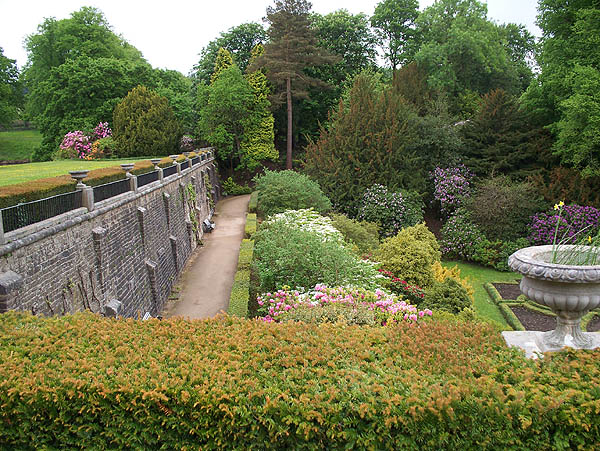
The gardens, mostly to the south, are very fine, with a lake and large changes of level. The Dutch formal garden seen from far above is particularly impressive. There is also a substantial park (not seen).
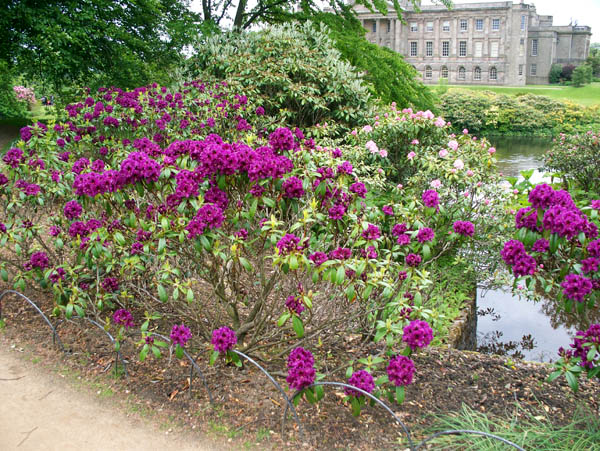
Photography of the interior of the house is not permitted, but I took some pictures of the gardens (click on images to enlarge).