 National Trust
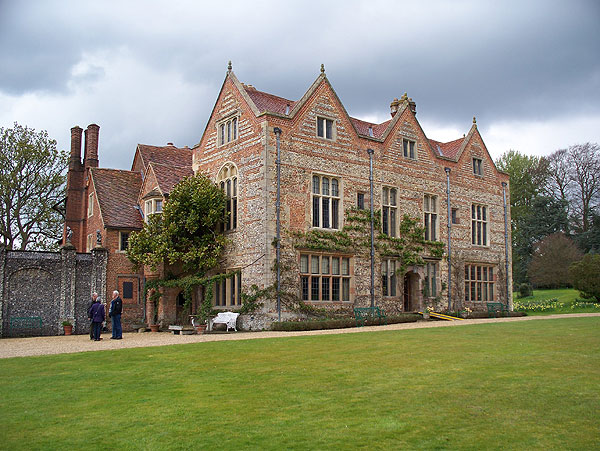
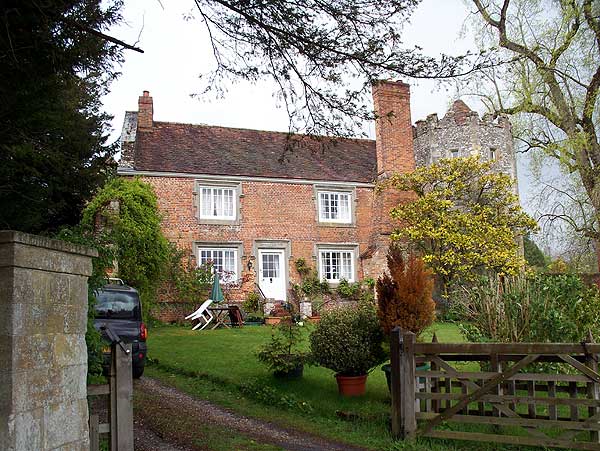
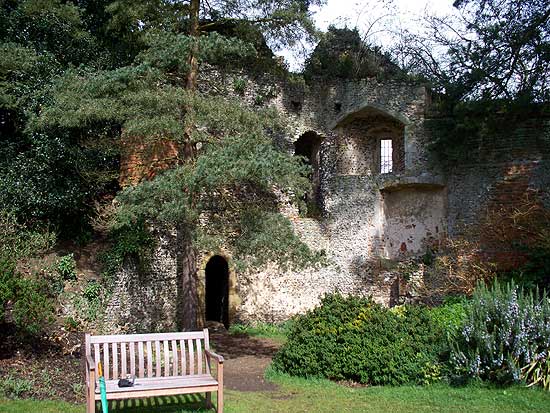
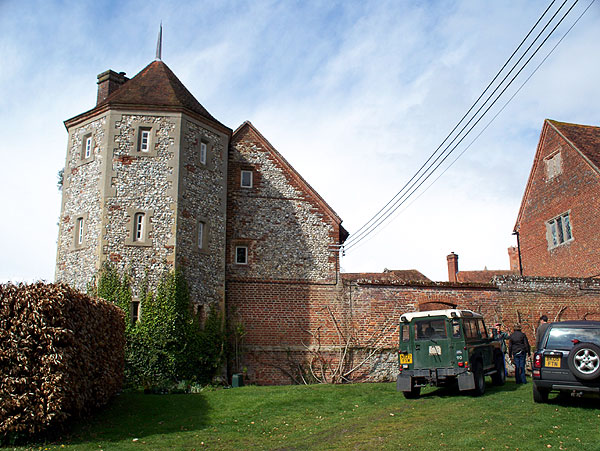
Greys Court is a former family home and estate, in a rural Chilterns setting. The 16th century house and the gardens were home to the Brunner family until recent years. Following the death of the last resident, the National Trust carried out major repairs and refurbishment. Some of the buildings face a central green. There are also a series of walled gardens, some medieval towers, and an old well house enclosing a Tudor donkey wheel.
Most of the rooms are presented as they would have been when the Brunners lived there.
The house interior is worth a visit, and the various buildings in the grounds are also of interest. Younger visitors may be disappointed to discover that the medieval towers are not accessible. Out in the grounds is an ice-house which has a thatched roof instead of the usual vault. The walled gardens will be of interest to garden admirers. Walks are possible in the wider estate.
Practical details: For the final approach, follow the brown signs and ignore your Sat-Nav, otherwise you will probably find yourself on a long narrow twisty single track country lane.
A visit here can be paired with a morning visit to nearby Nuffield Place.
Month: April 2012
Nuffield Place, Oxfordshire
 National Trust
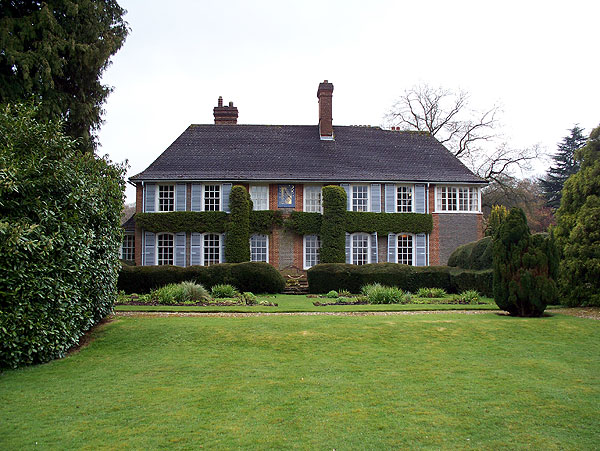
The former home of motor car manufacturer William Morris (Lord Nuffield) came under NT management recently and was first opened by them in April 2012. During his lifetime, Morris was famous for the amount of money he gave away: about £30 million (far more in today’s values.) The house is presented much as Morris left it, with his furniture and fittings. It was originally built in 1914 for a shipping magnate. Morris bought it in 1933 and had it furnished to reflect the tastes of the 1930’s. The gardens were laid out just after WWI. Lord and Lady Nuffield were both keen gardeners.
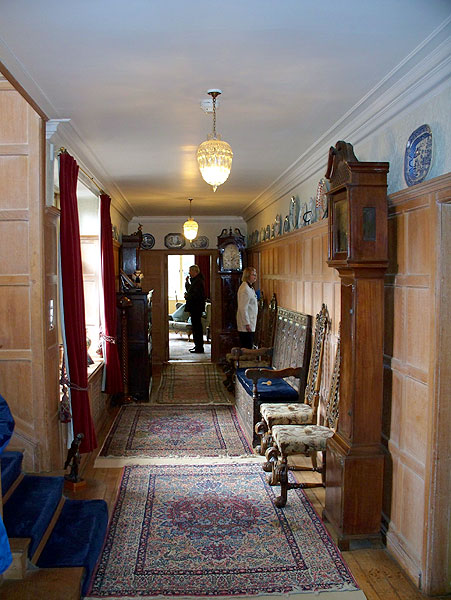
The house is in a rural setting, with paddocks and outbuildings, and with well-kept gardens around the house. By millionaire standards, it is not particularly lavish. (See, for instance, Eltham Palace, built in the same era.) The downstairs rooms are comfortably furnished with period reproduction furniture and a collection of china and other items. Also on show are a radiogram and two early TV sets which no doubt were all top of the range in their day.
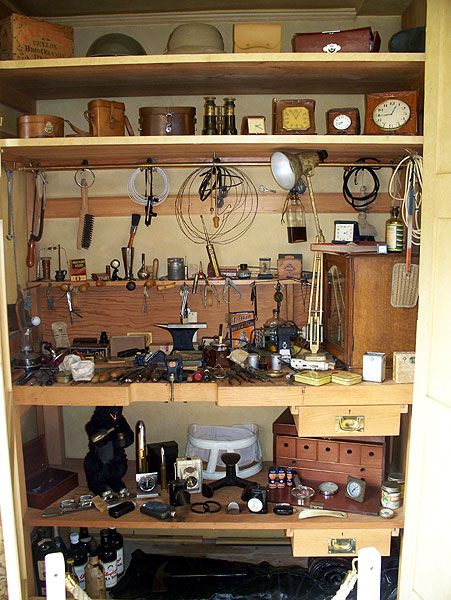
Upstairs, the principal and guest bedrooms are mostly set out as they were in Lord Nuffield’s day. His wardrobe containing a set of tools and other curios is popular with visitors!
Nuffield Place is well worth a visit. Part of the interest lies in finding out about Lord Nuffield and his car company. A visit here can be paired with an afternoon visit to nearby Grays Court (NT).
Kew Gardens
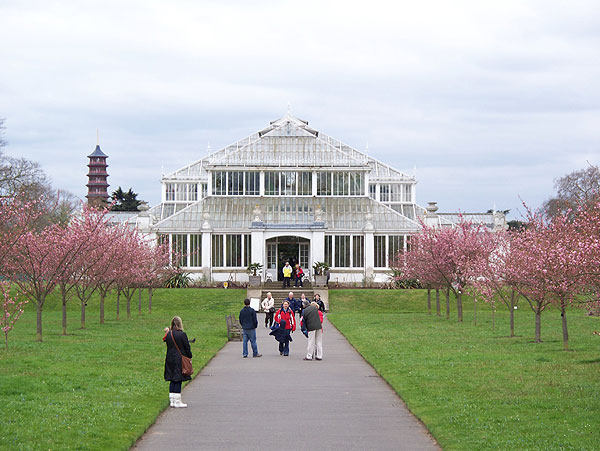
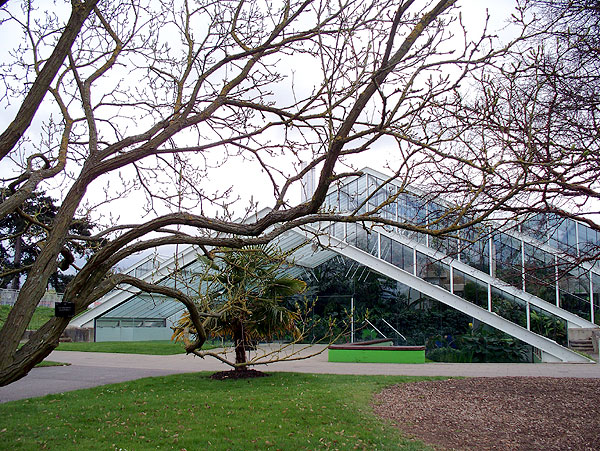
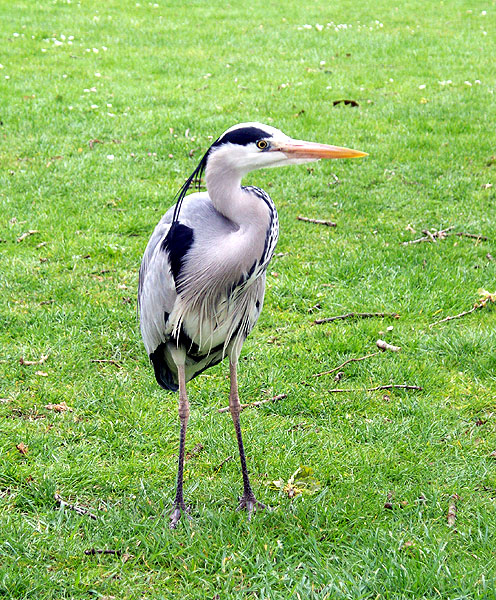
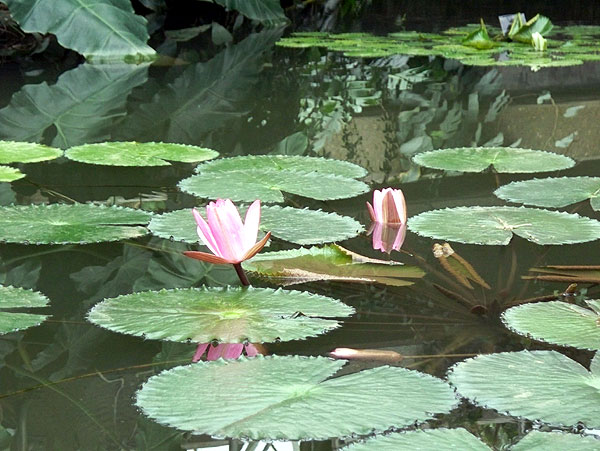
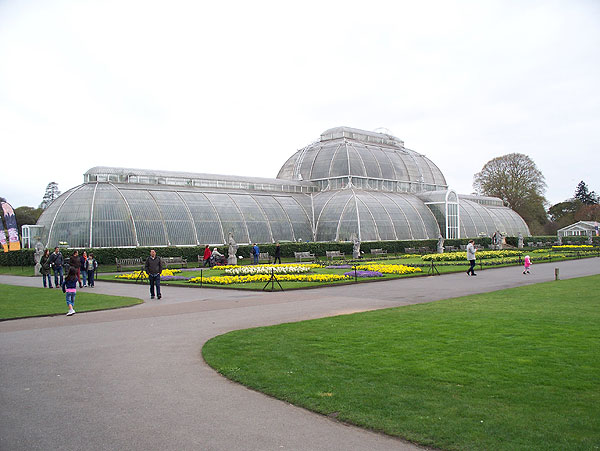
The famous Royal Botanical Gardens have lots of things for visitors to look at, and are also a centre for botanical research and plant conservation. They are also of historical interest. Major attractions include the two huge Victorian glass-houses and their contents, several other conservatories, a number of buildings and follies including the famous Pagoda, two or three art galleries, a treetop walkway, a lake, plus the inevitable cafes and shop, set in 326 acres (132ha) of gardens. Kew Palace and Queen Charlotte’s Cottage (curated by Historic Royal Palaces) are also within the gardens.
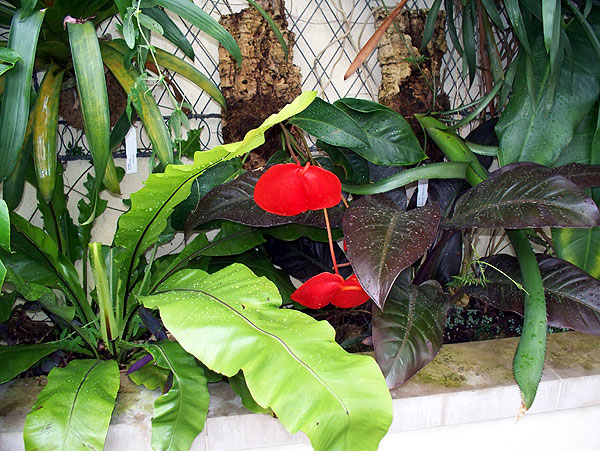
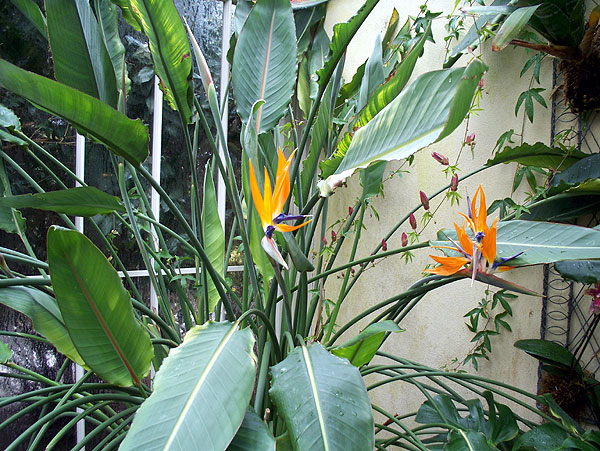
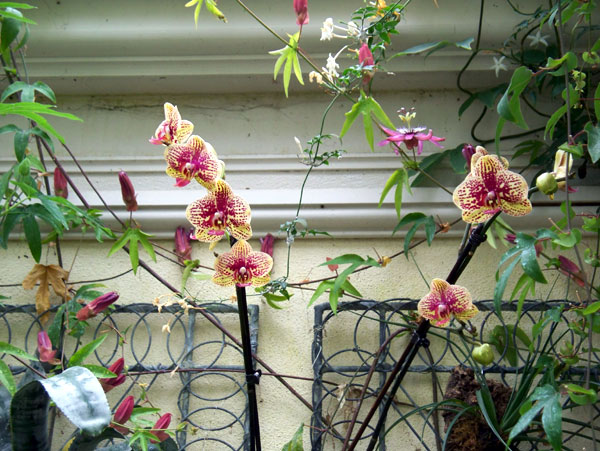
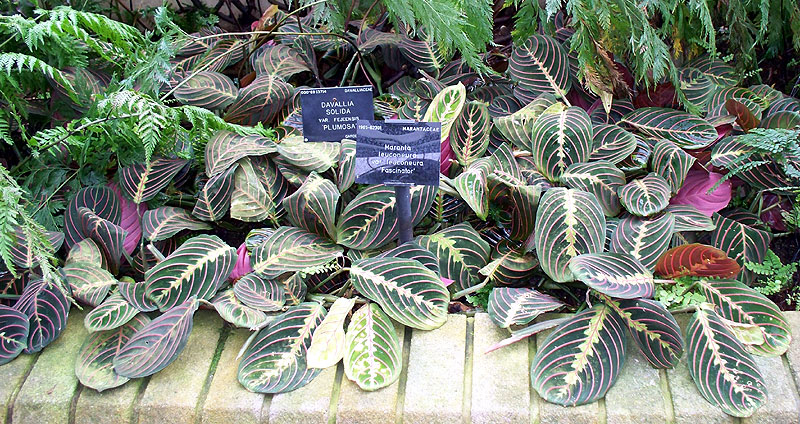
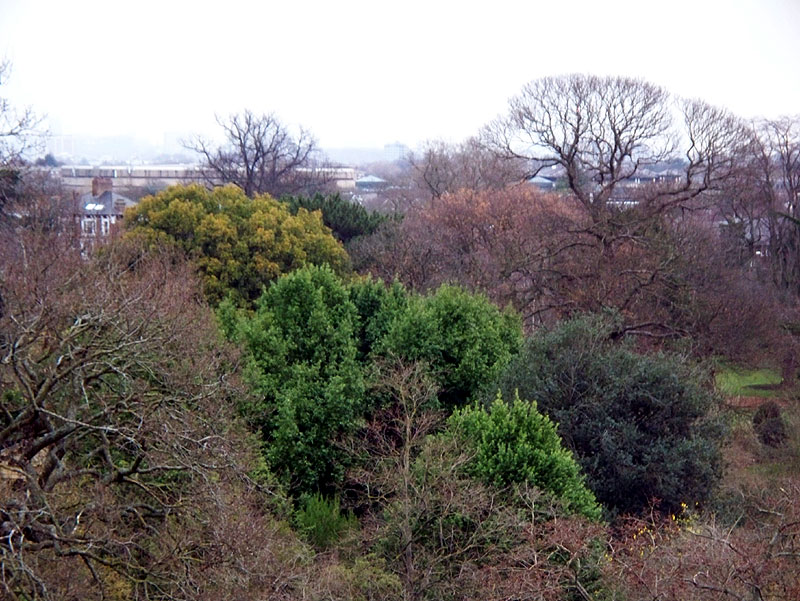
On the whole, the exotic indoor plants (in the conservatories) are more interesting than the outdoor, and the more notable types are highlighted by display panels. Both the Palm House and the Temperate House have an internal gallery which the energetic can climb to walk around the palm-tree-tops, and enjoy views over the Gardens.
Update from Dec. 2021 visit: The visiting hours are now rather restricted, but I got in straight away without having to book or queue. Various installations were in place for “Kew at Christmas” opening a few days later, with some illuminations and installations already lit up during the day as a preview of what one would see on paying the stiff fee for the evening show. Not really my cup of tea except for some very pretty “birds”.
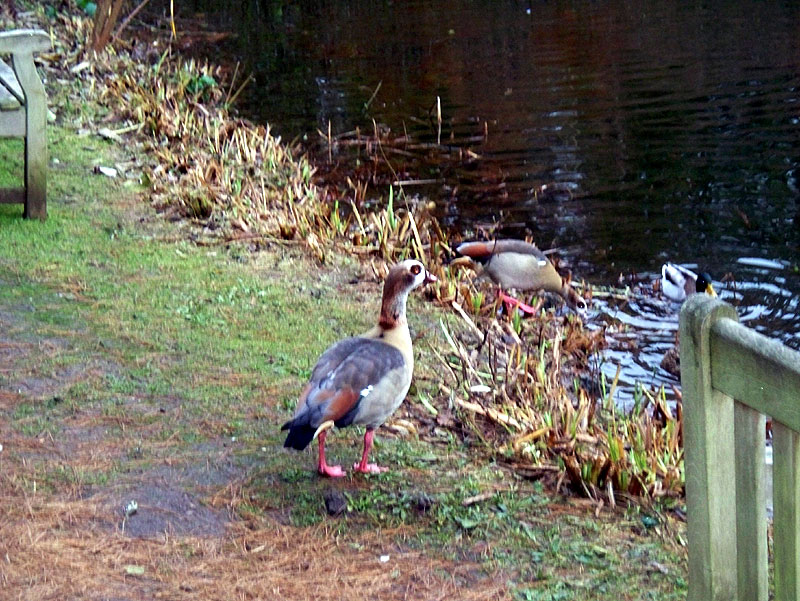
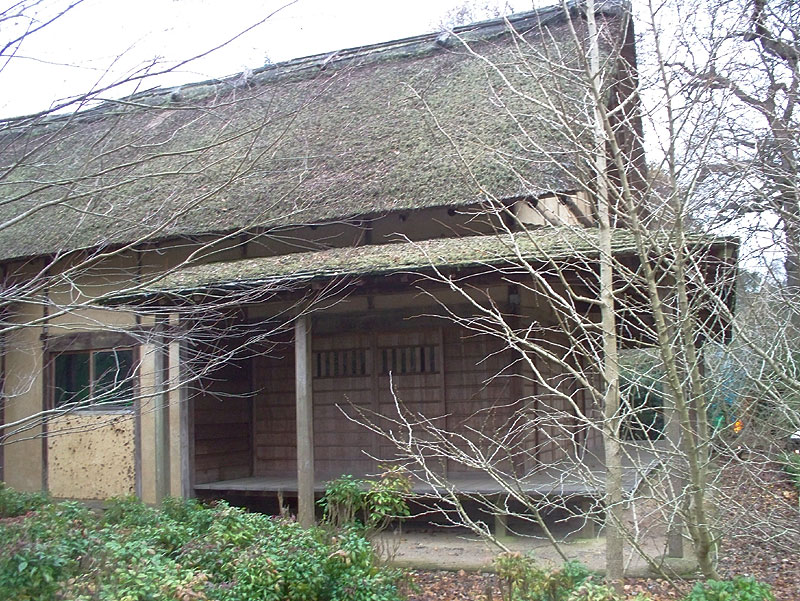
Some buildings were closed, but I visited some features not seen before – the treetop walkway (a stiff climb with the lift not in service), the Minka House, and some giant redwoods. By the lake, I was accosted by a pair of exotic ducks.
Practical details: The Gardens are within walking distance of two railway stations. There is limited parking in Ferry Lane (chargeable). An all-day stay in the Ferry Lane car park will cost several pounds. The gardens are over a mile long, so a visit to diverse parts of the gardens will involve a walk of several miles. For the less fit, there is a ‘Land Train’ which stops at seven points around the gardens. The big glass-houses however are within 500 metres of the Victoria Gate. You are advised to make an all-day visit, as the admission charges are quite steep, and even if you are there all day you are unlikely to be able to see everything. There is a small discount for repeat visits. In summer, the gardens close at 6.30pm or later.
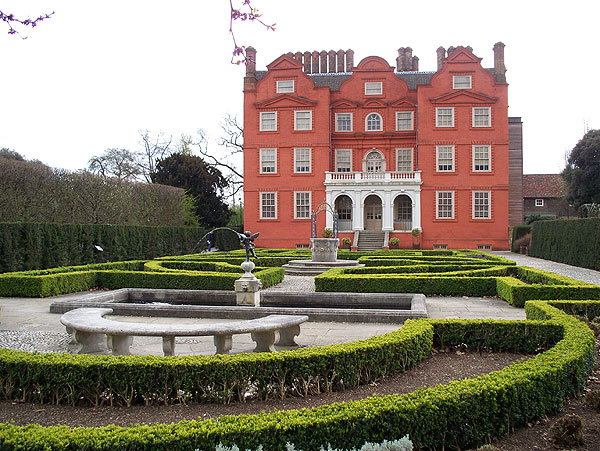
Kew Palace
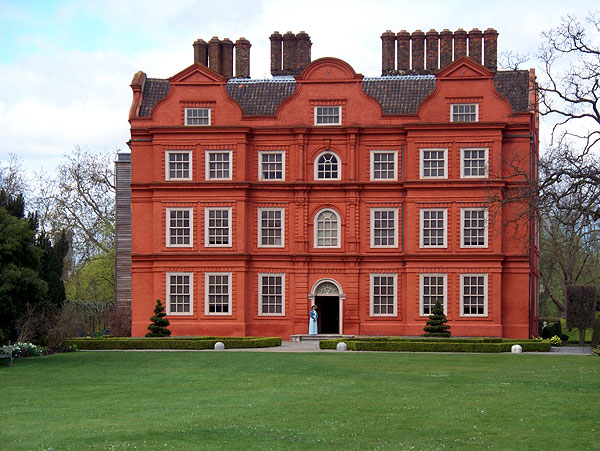
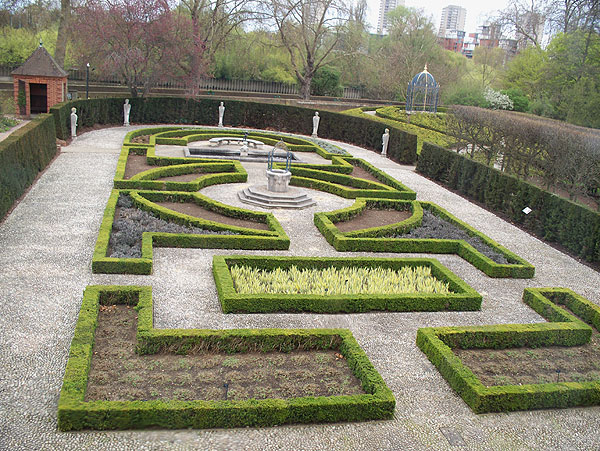
The ground and first floors have been restored and furnished to recreate their appearance when occupied by George III. The third floor can be seen just as it was when abandoned in the 19th century. The Palace makes an interesting visit. It and the Cottage were curated by young ladies in period costume on the day of my visit.
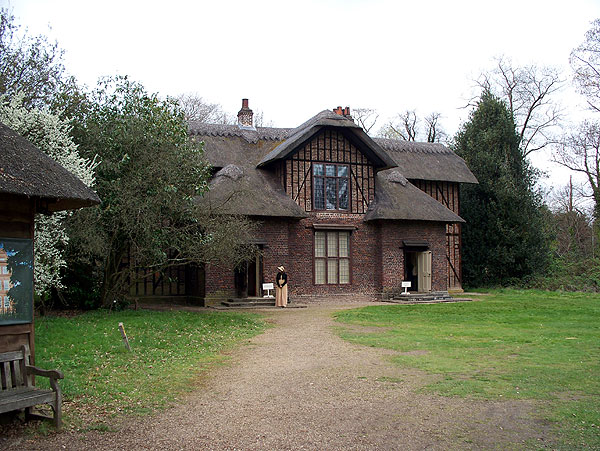
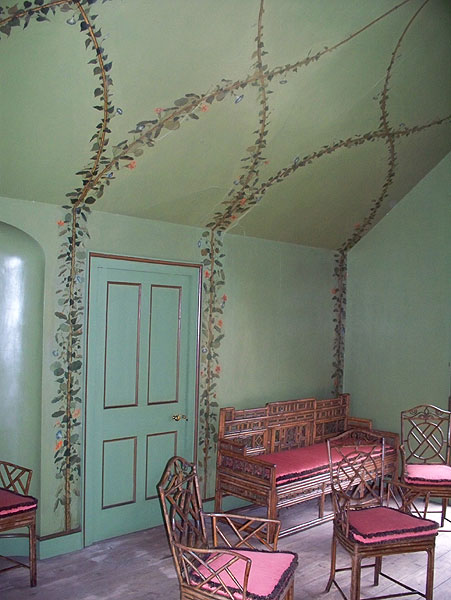
At the other end of the park is Queen Charlotte’s Cottage. This rustic building, once used for Royal picnics, is notable for its size ( similar to a 4-bedroom detatched villa), and its inefficient use of interior space (two large stairwells and only two rooms of any size.)
Practical Details: Kew Palace is situated in the north-east part of Kew Gardens. To visit it you need to purchase an admission for the Gardens (not cheap!), then a Palace admission ticket at the welcome suite about 100 metres from the Palace. It is therefore suggested that, unless you like throwing your money about, you allot a whole day to visit both. Queen Charlotte’s Cottage (within the West end of the Gardens)is open weekends during the warmer months. There is no entrance charge for the cottage.
Hampton Court Palace
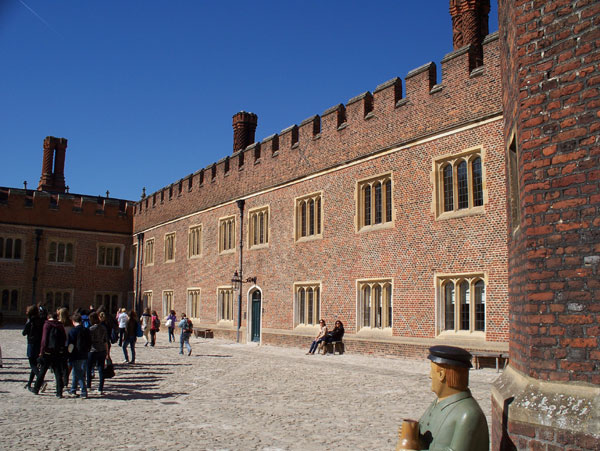
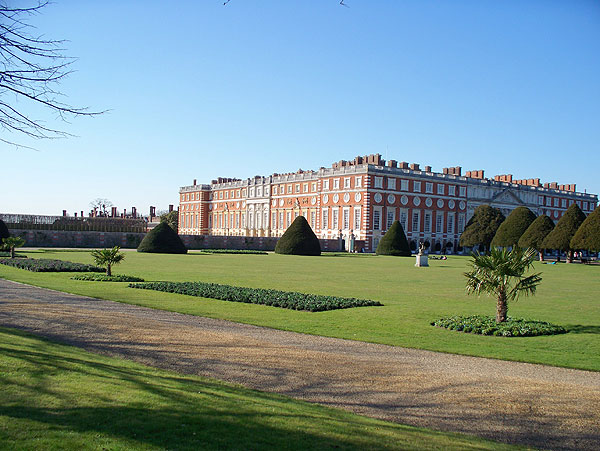
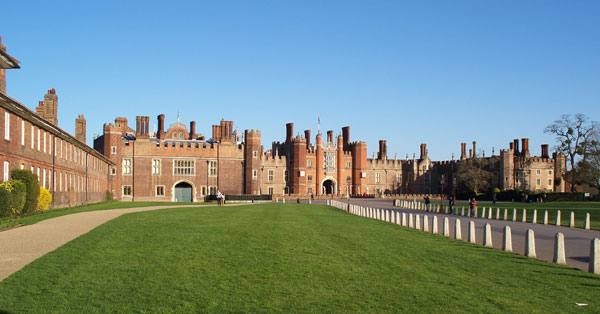 This is one of the Royal Palaces, with the present buildings started by Cardinal Wolsey, extended for Henry VIII, and with a baroque Palace added on for William and Mary, and some further development for the Hanoverians. George II was the last monarch to occupy the Palace, which thereafter was used to provide grace-and favour residences for deserving persons. The residents were typically gentlewomen or widows of men who had provided some distinguished service to the State. The 1000+ rooms available were partitioned up to provide over 50 multi-room apartments.
In the 20th century the phasing out of the grace-and-favour apartments took place for a number of reasons, the foremost being the impracticality of bringing the often crudely adapted apartments up to 20th century standards of heating, plumbing and convenience. Today, large areas have been reclaimed for public access, and the unseen rooms are used for storage, offices and staff accommodation.
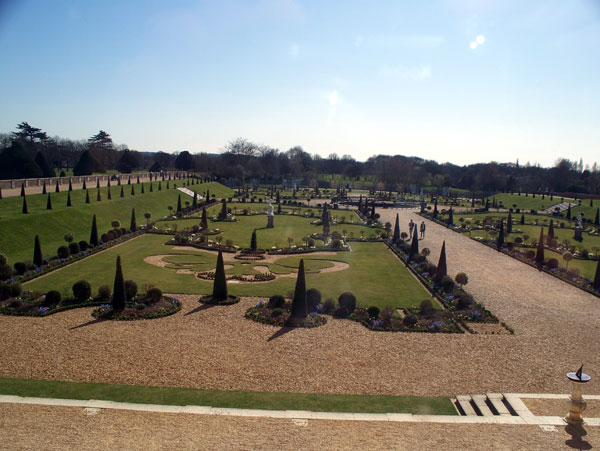
The Palace is big; more of a brick village than a building. The two principal phases of development can be best seen if one stands in the Privy Gardens near the river, where the squarish Baroque block is in front of you and a forest of Tudor chimneys is to your left. The gardens are big too; the best views of the formal gardens can be had by peeking out of windows as you tour the Palace. A canal separates the gardens from the Home Park, but it’s possible to access the Park, where the Long Water stretches off into the far distance, if you have time to tramp around with a map.
Inside, there is a lot to see, and nearly all of it is worth a look. The highlights are Henry VIII’s Great Hall, with its highly carved hammer-beam roof, and the Chapel Royal with its intricate blue and gold ceiling. After that there are the Tudor Kitchens, which have been restored and kitted out to show visitors their original functioning, and the Young Henry VIII exhibition. Then there’s the William III apartments, the Georgian Apartments and other attractions.
Outside, the Privy Garden and Great Fountain Garden should be seen. Then there are the Pond Gardens, Banqueting House and the Great Vine on the river side. On the other side is a large area with the 20th Century Garden, Wilderness, Maze, etc. This latter area is perhaps best taken in as you make your way back to the exit, car park etc at the end of your visit.
Practical Details: There is some car parking (chargeable); an all-day stay will cost several pounds. The Palace is well served by public transport, and if you arrive by rail at Hampton Court station (terminus), finding the nearby Palace is a no-brainer. The HRP website suggests a minimum three-hour visit, but I stayed for about six hours and still did not manage to see everything inside and out.
The only eatery is the Tiltyard Cafe in the grounds. Photography seems to be generally permitted except where they say you can’t, i.e. in the Chapel Royal and the entrances to the few remaining grace-and-favour apartments. Tickets can be pre-booked online, which could save you money and avoid wasting scarce visit time stuck in a lengthy queue in the ticket office.
There is a no-extra-cost tour of the Grace-and-Favour apartments, which is worth catching if you have an hour, as it gets you into one or two spaces not normally open to visitors.