Private, grounds accessible
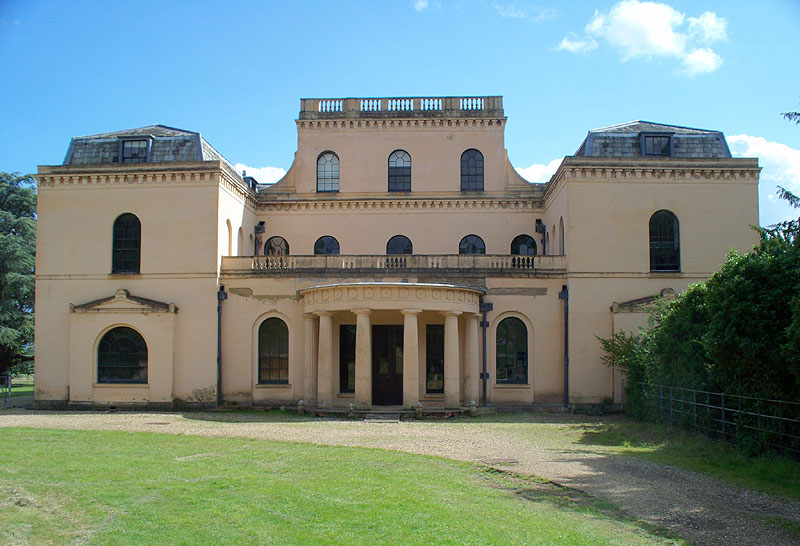
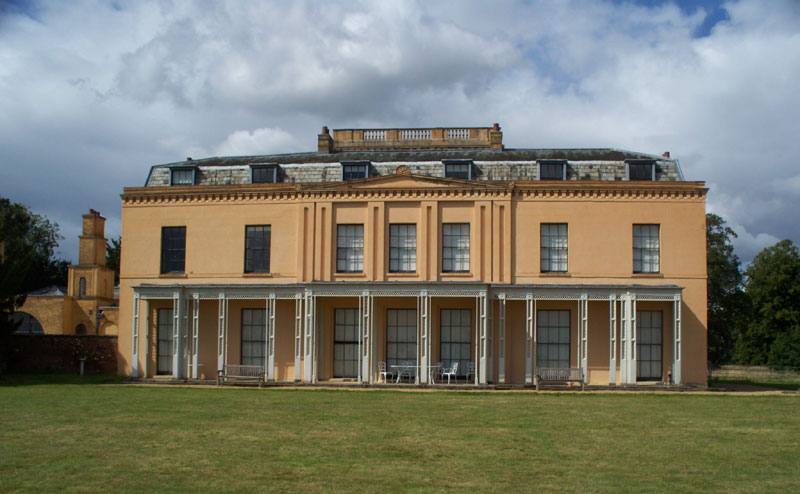
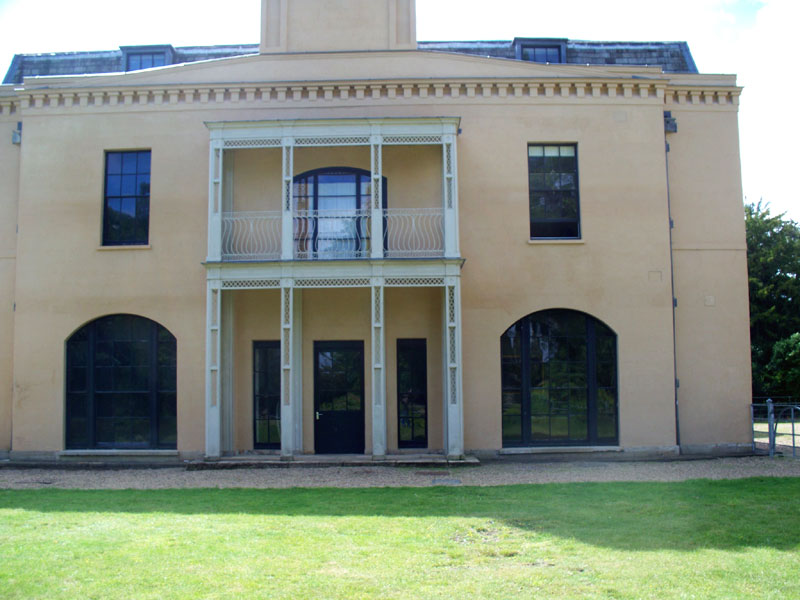
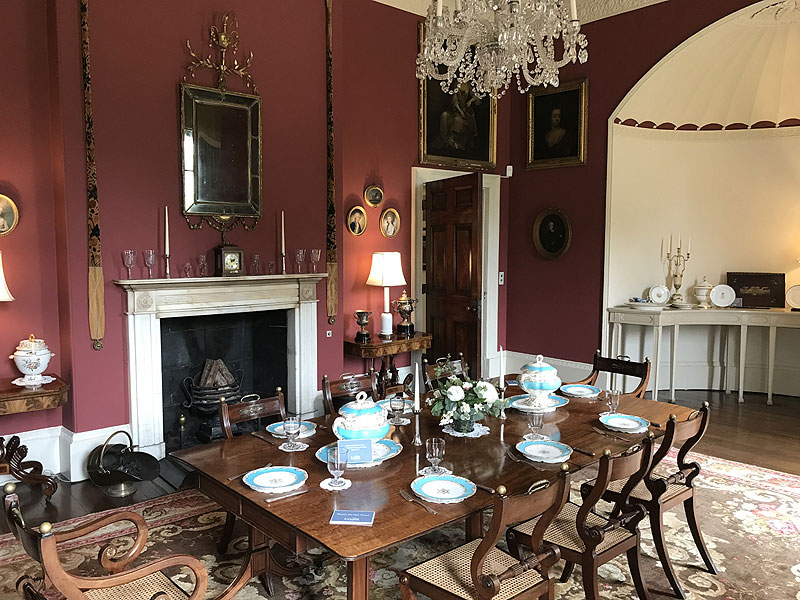
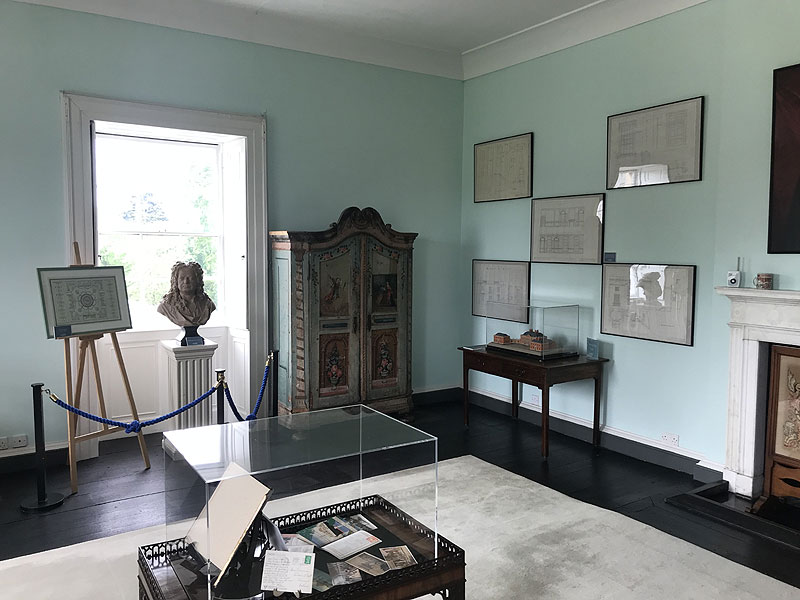
The house was built in 1790-1816 to the design of Sir John Soane, the famous architect. Since then it has had a chequered history, and from 1919-1987 the house and gardens were the site of a local hospital. Threatened with being turned into a housing estate, in 1995 the house and grounds were acquired by a Christian trust. The stakes were raised when in 1997 the rating of the much-abused house was upgraded from Grade II* to Grade I, implying a more costly restoration.
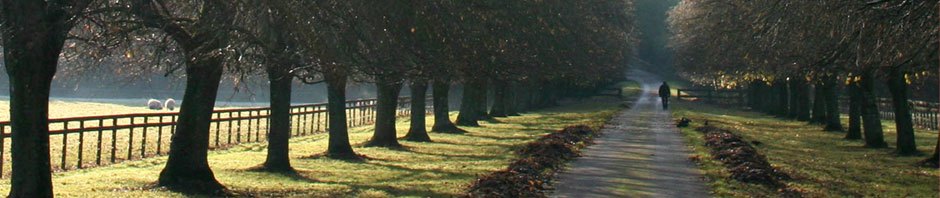
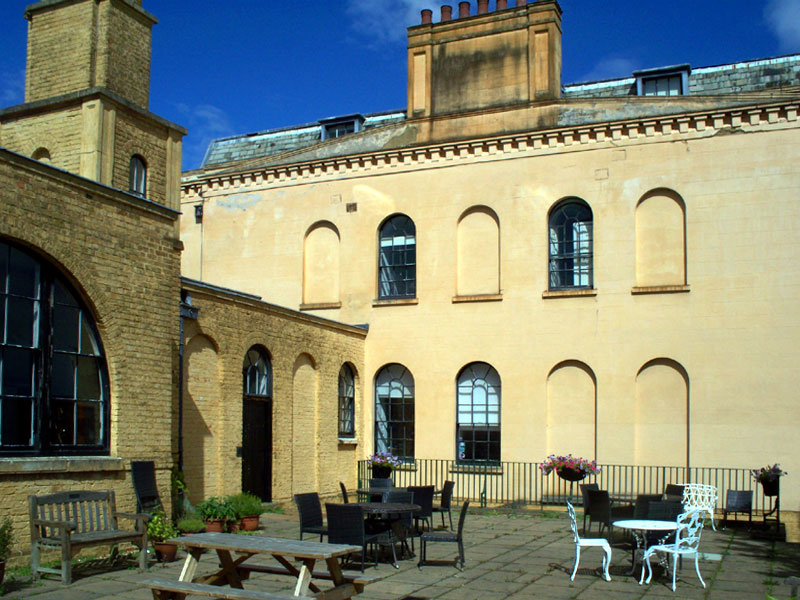
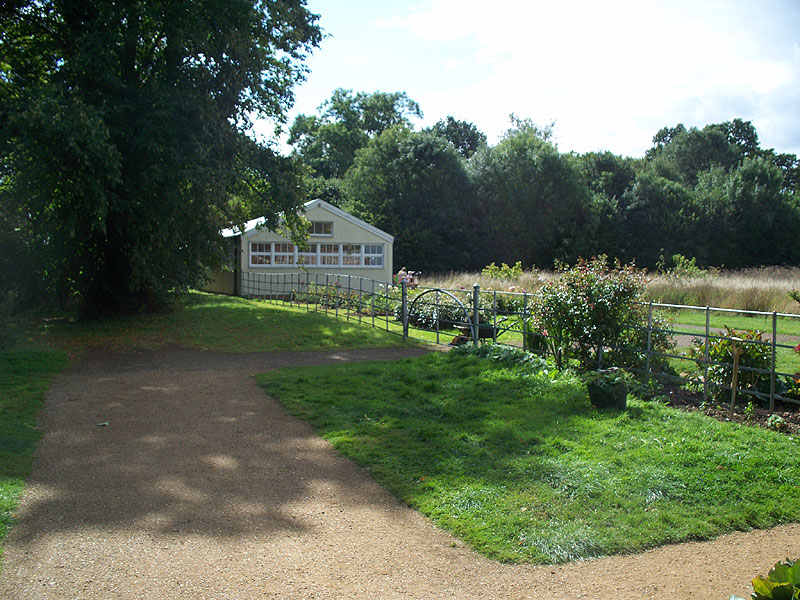
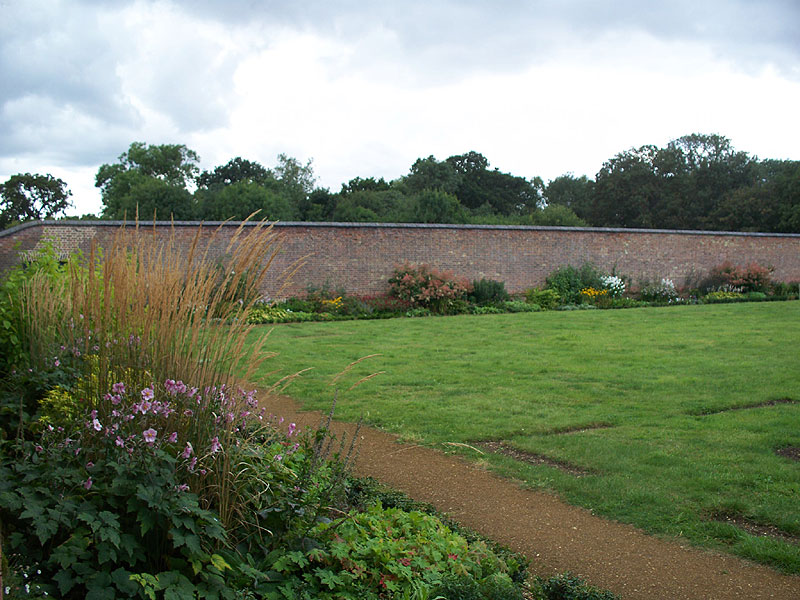
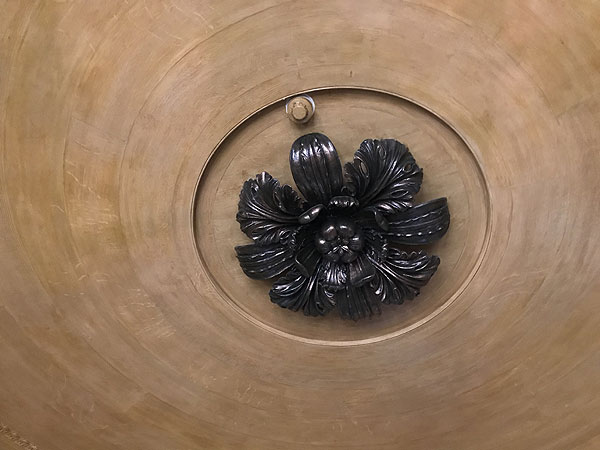
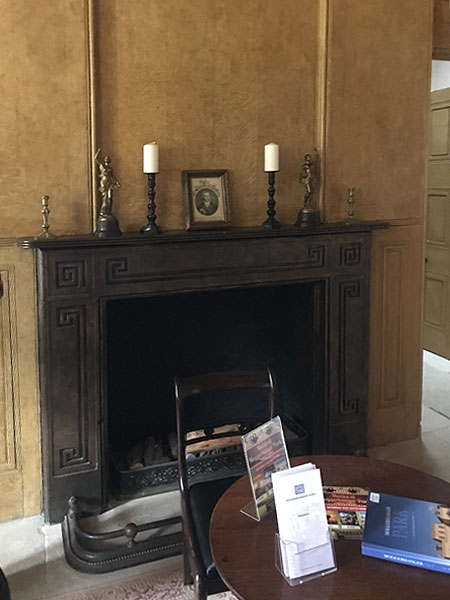
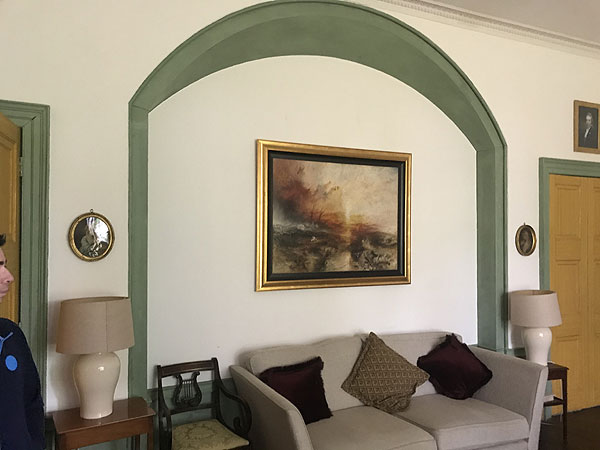
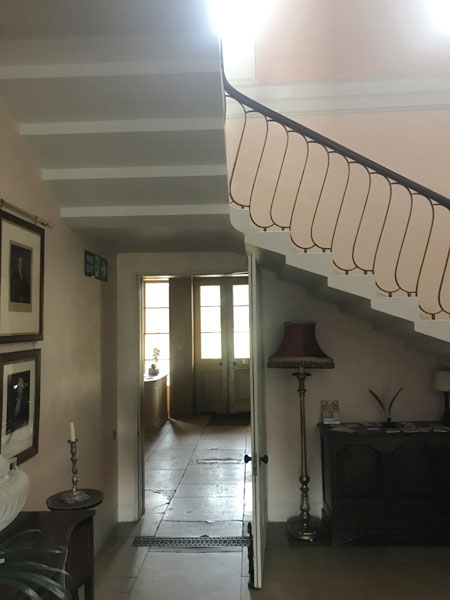
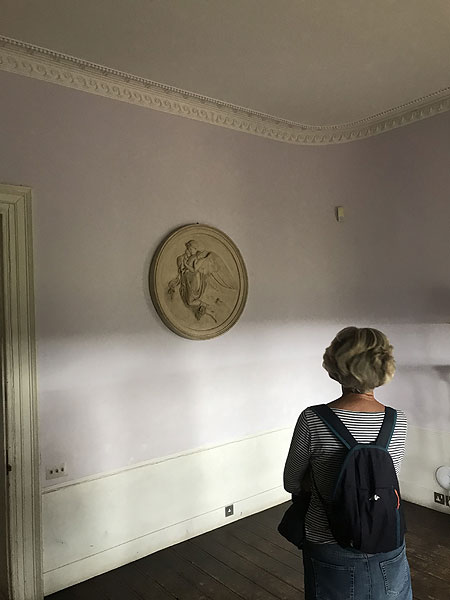
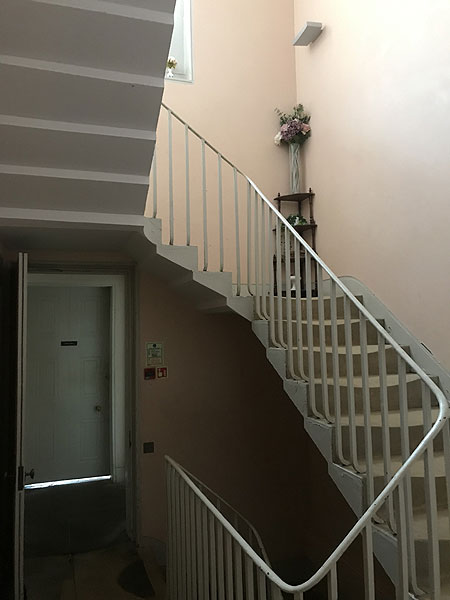
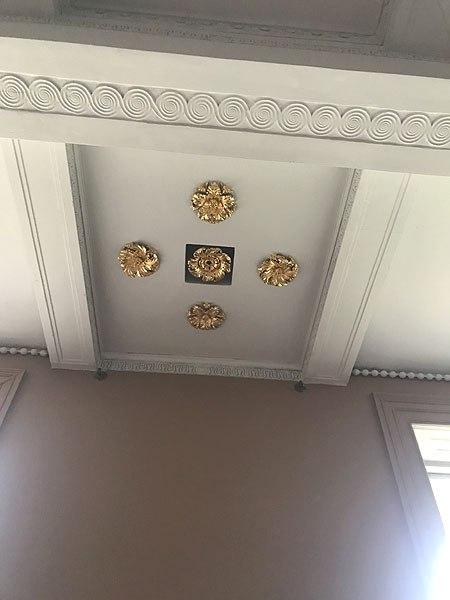
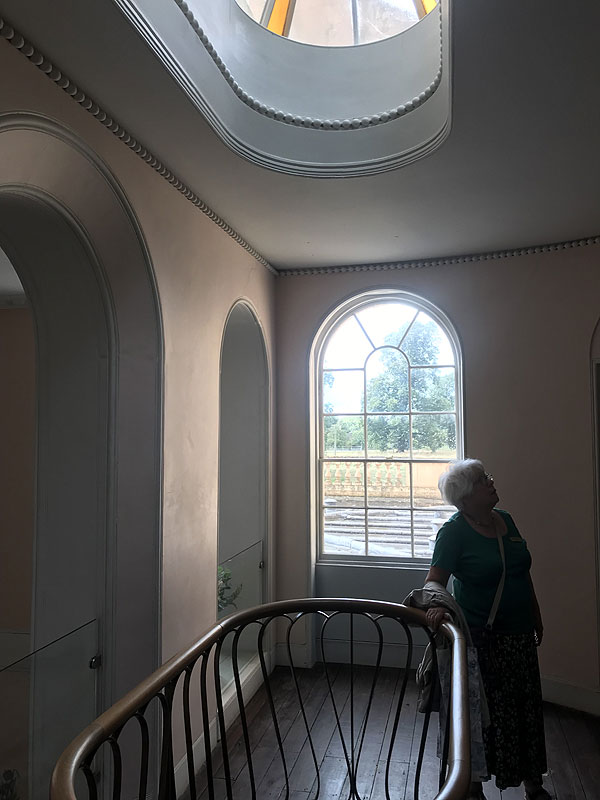
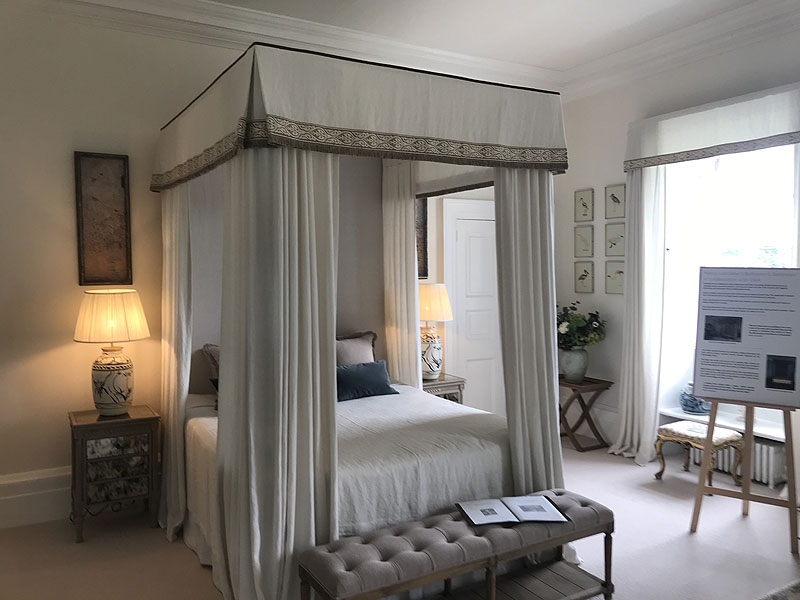
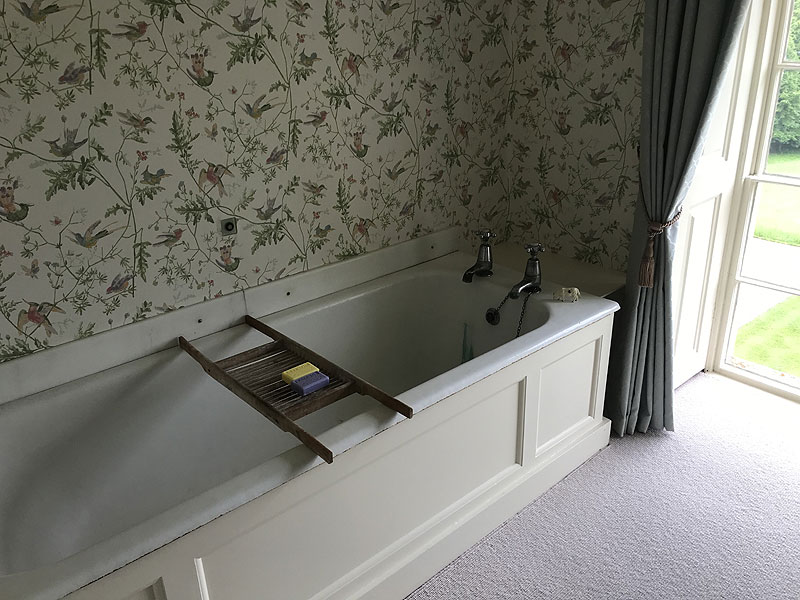
Today, the relics of the hospital have been cleared away, and the house has been expensively restored to its original appearance. It is in use providing space for Christian organisations,and hirers. There is a tea-room in the grounds, near the walled gardens. The grounds have been tidied up and restored, and are open daily to the public. When I was last here I took my aged mother, who just managed to make a circuit around the outside of the house on her own feet. The house is not open other than by guided house tours during the summer. I was fortunate enough to go on a house tour during the major restoration, and another after the house was completed. There are some interesting Georgian interiors with good ceilings and plasterwork.
Surviving Soane buildings are rare, so the Park is well worth a visit if you are in the area.
2023 visit: the hut that contained the museum has been moved to a new site near the walled gardens, and contains the tea-room. The museum is currently in storage. The B&B’s are now discontinued. The walled garden may be newly planted, as I don’t recall any walled gardens from previous visits.
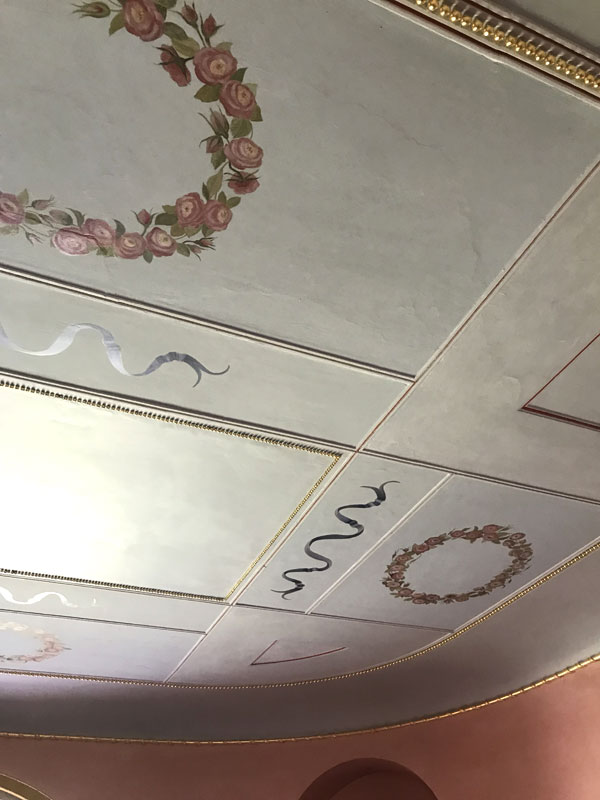
Category: House
Grand houses
Holker Hall, Cumbria
Much of the house dates from the 1870’s, when the West Wing was rebuilt after a disastrous fire, and this is the part that is now opened to the public. The house is built in red sandstone in a kind of Elizabethan Gothic style. Inside, a hall and a series of grand rooms are luxurioiusly furnished. Popular pieces of furniture include the Rent Table, work by Chippendale, the Regulator Clock and the Nursery Yacht.
Outside are large and noted gardens, long-established and containing many fine trees. Hall and Gardens are well worth a visit, and there is plenty to see and do. Suggested visit time: half day.
I recollect that there was a motor museum on the estate, but this appears to have been relocated to Ulverston. (see Lakeland Motor Museum)
Coleton Fishacre, Devon
National Trust.
Not an ancient house, but built in the 1920’s for the D’Oyly Carte family, Coleton Fishacre is built of local Dartmoor shale and roofed with slate, and with its straggle of roofs it fits unobtrusively into the landscape. Inside, all is Arts & Crafts and Art Deco in style, and much use of limed oak and pine. At the west end of the house is a saloon 40 feet long, and furnished in yellow and green.
The interior is interesting, as all the rooms are furnished as though the 1930’s inhabitants had just left. Outside is a large 30-acre garden planted on a steeply sloping site, with many semi-tropical plants and flowers, and glimpses of the sea.
Access to the site is by a single-track road (“reversing required”) and roads in the area are narrow. There are other attractions in the area for walkers.
Broughton Castle, Oxfordshire
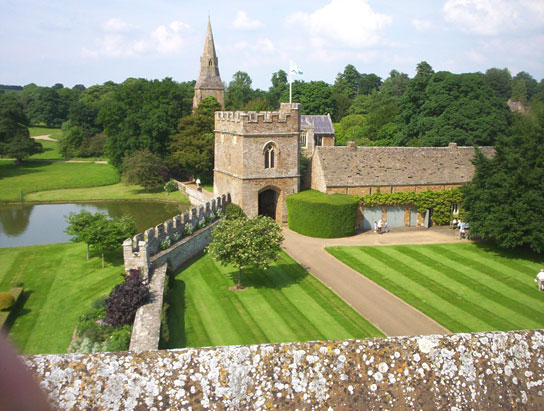
A fortified house dating in parts from the 12th century, and altered, extended or remodelled many times since. It is constructed mainly of ironstone. The interior contains a number of grand rooms and the small ‘Council Chamber’ contains relics from the Civil war period. The current occupants are Lord and Lady Saye & Sele who have done much to preserve the house and record its history. They maintain a website which contains a great deal of information about the castle’s history, and a pictorial tour. As the owners are not shy of pointing out, the house gets five stars in “The Thousand Best Houses of England”.
This is an interesting place to visit, as one enters across a moat, through a gatehouse and then follows a route around the house though an ancient arched undercroft, grand rooms, staircases, corridors, and into small upstairs rooms and IIRC a rooftop. Outside, there are some attractive gardens. I must have liked it, judging by the number of photos I took.
Wrest Park, Beds.
English Heritage.
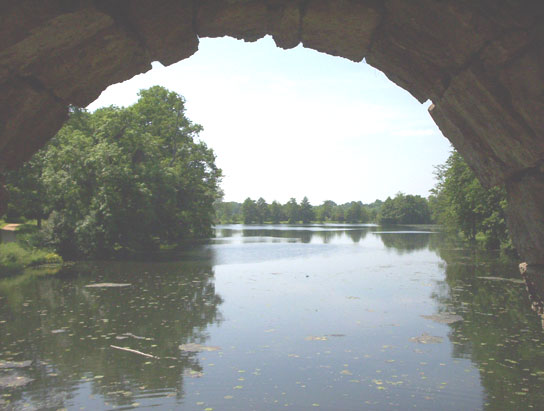
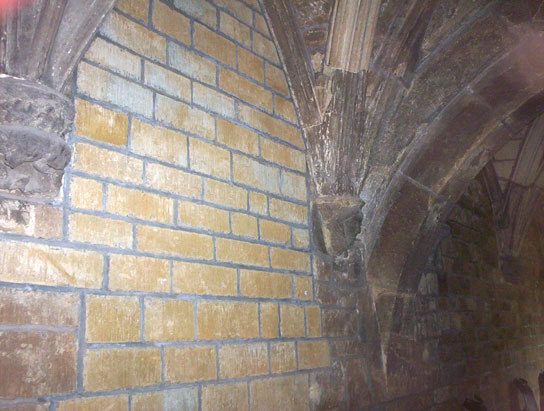
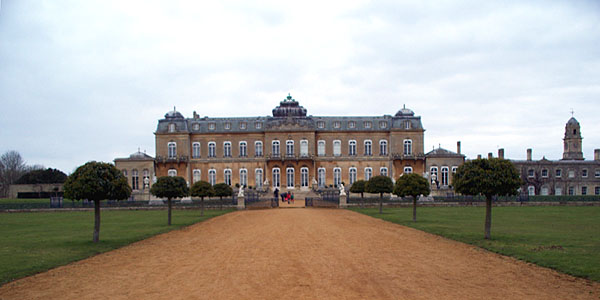
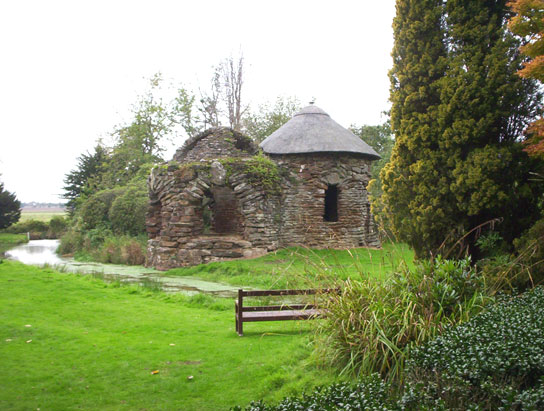
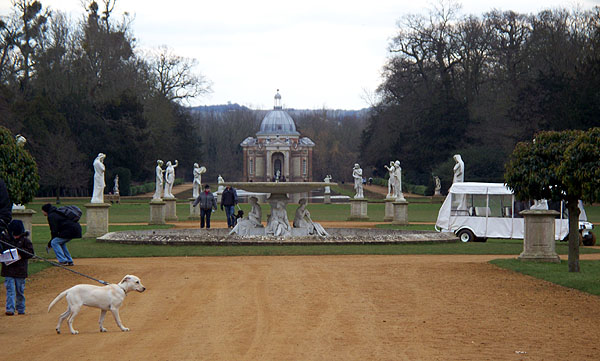
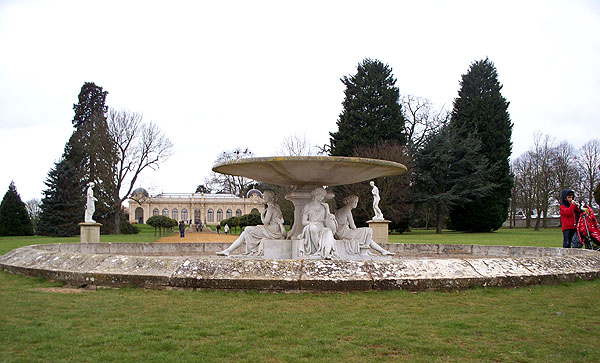
This is one of the great gardens of England, but is one of the least well known. The grounds and formal gardens cover about 90 acres, with a number of garden buildings and follies, and miles of pathways. At the further end of the canal is the domed Great Pavilion, designed by Thomas Archer in 1709-11.
The Wrest Park mansion was designed by Thomas, Earl de Grey, in a French style, and completed by 1839. Several important rooms in the house are usually open to the public: the great entrance hall, and a suite of rooms on the garden side ground floor.
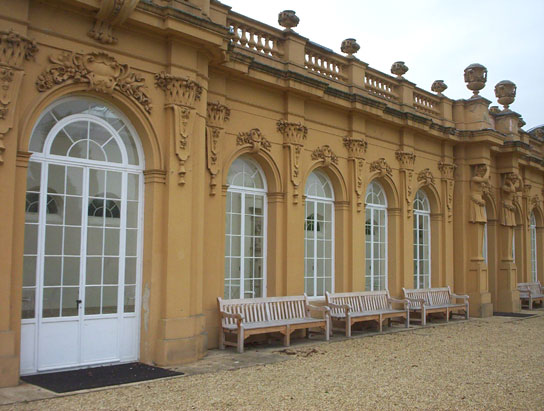
Most of the garden buildings, inclding the Orangery, were built at about the same time as the house.
There is plenty to see and do, and for 2013 there is a new visitor reception and parking in the former walled garden, and a new exhibition area and Countess’s Sitting Room in the house. Just checking all the buildings in the gardens should keep one occupied for at least a couple of hours. The house, outside and inside, is also of interest, and the grand entrance hall should not be missed. The grand rooms on the garden side are largely unfurnished.
Rushton Hall, Northants.
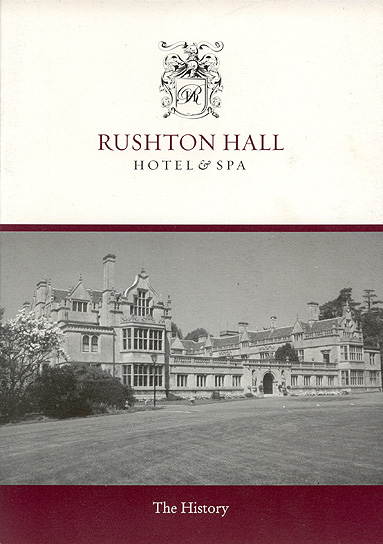
Rushton Hall is a most impressive place built around a square central courtyard. It dates from 1438, but much of the present structure seems to be Victorian. It’s now an up-market hotel, but they don’t mind visitors having a look at the public rooms (on the ground floor facing the water), and if you ask in the bar, they’ll probably give you a booklet about the history of the place. If you have a serious interest you could contact the general manager about your visit in advance. The public room interiors and ceilings are quite impressive, as is the courtyard. The bar, housed in what was the great hall, with stained glass windows, is the most impressive room. The house changed hands in 1853 for £165,000, at a time when the average dwelling cost several pounds, but it was sold in the 1950’s for £1.
The hotel reception is to the left of the main entrance, and the public rooms and bar are further on in the same direction. The drinks, predictably, are expensive 🙂
It seems there are some public access days: Hotel website.
Overbeck’s, Devon
National Trust.
This is a museum of curiousities, set in an exotic semi-tropical garden. The last owner of the house, scientist and inventor Otto Overbeck, filled the house with his collections. There is a cabinet devoted to his inventions, which include an electrical “Rejuvenator”, designed to inject new life into the old and tired by passing electricity through the body. Also in the museum is a “Polyphon” a music box using large sheet steel disks, which plays music encoded as punched holes, also display photographs of various shipwrecks, and under the stairs a collection of dolls’ houses. The garden has some very steep slopes, and views over coastline and estuary.
This isn’t the easiest place to get to, as the roads leading to it are single-track, steep and twisty, and not suited for anything bigger than a minibus. There is a small car park near the house, for visitors, and if it’s full, finding alternative parking could be troublesome. If you are feeling really fit, it’s possible to park at East Soar and walk up (2 miles), or walk up from the ferry (1/2 mile). The NT handbook cautions drivers against paying too much attention to one’s sat-nav and advises following the brown signs from Marlborough towards Salcombe. As I recall, it was steep and narrow the direct way and steep and twisty by the brown sign route, neither an easy drive.
Kelmarsh Hall, Northants.
 Private (HHA)
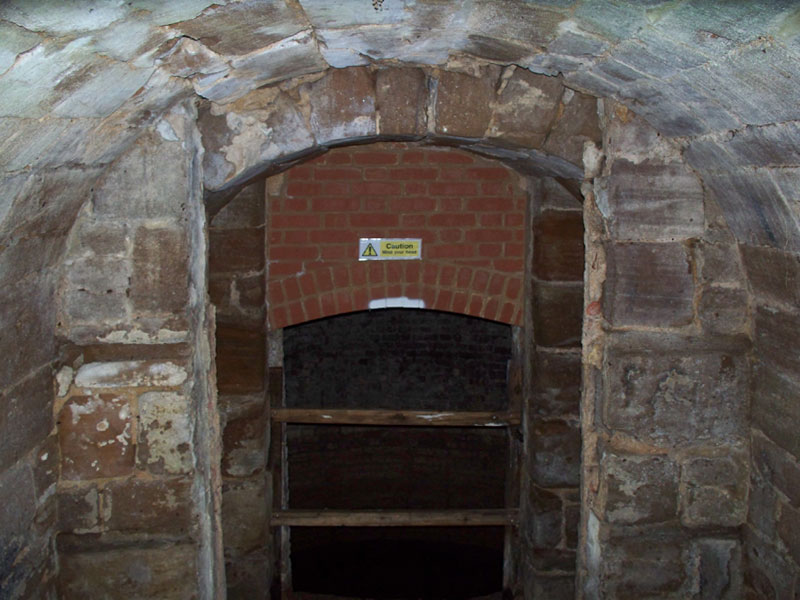
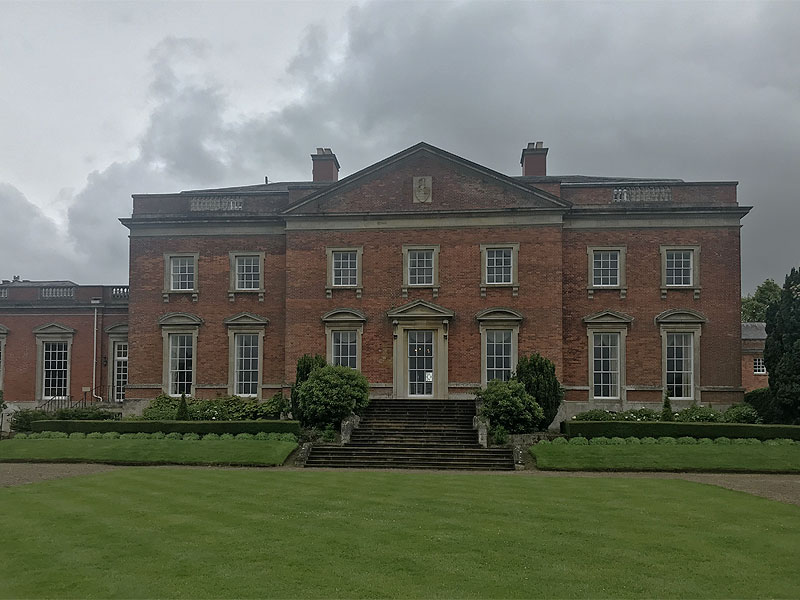
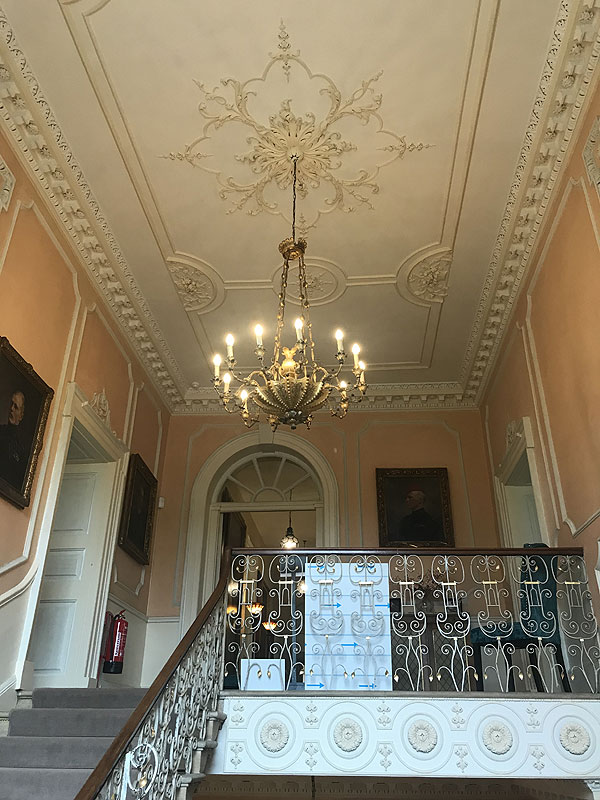
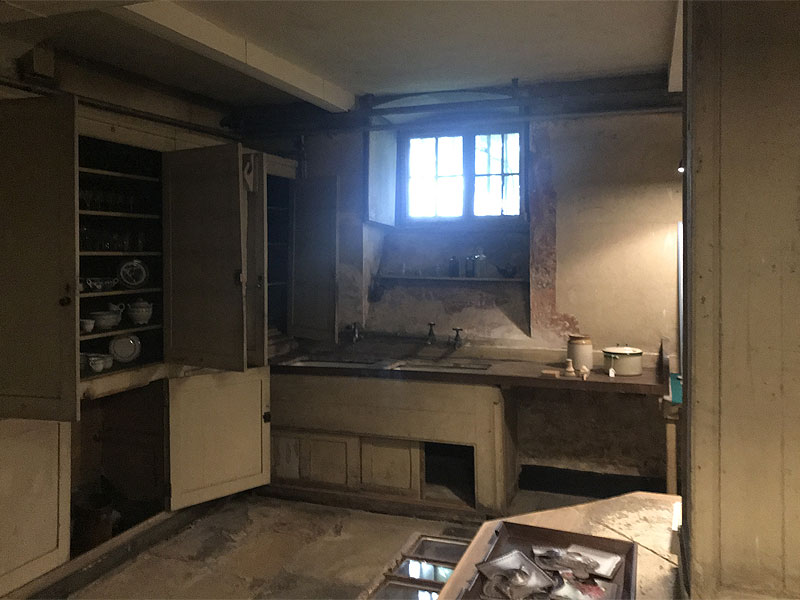
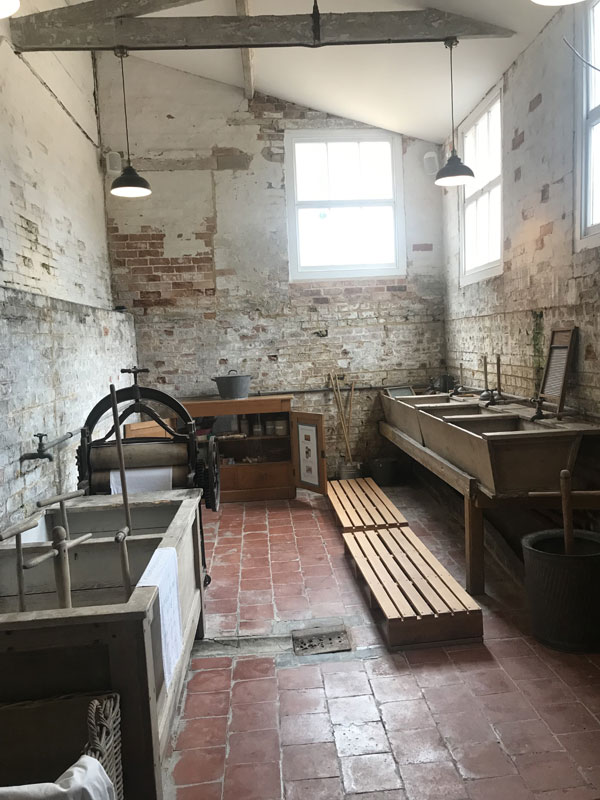
The house was built in the 1730’s by virtuoso architect James Gibbs, and is a very attractive red-brick building of symmetrical and reticent design. The present interior decoration owes much to society decorator Nancy Lancaster, who lived at the house. Ground floor and first floor rooms can be viewed. In the basement, various staff and service rooms, and the modern heating plant can be seen. The basement area was opened for visitors in 2022.
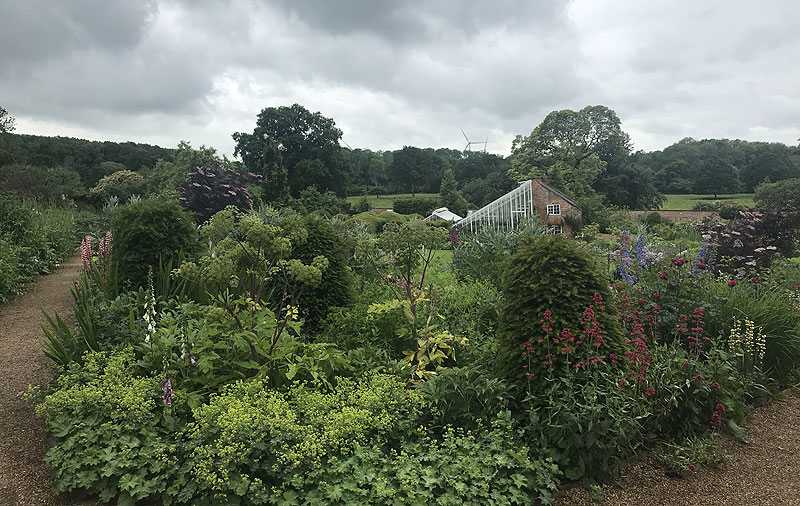
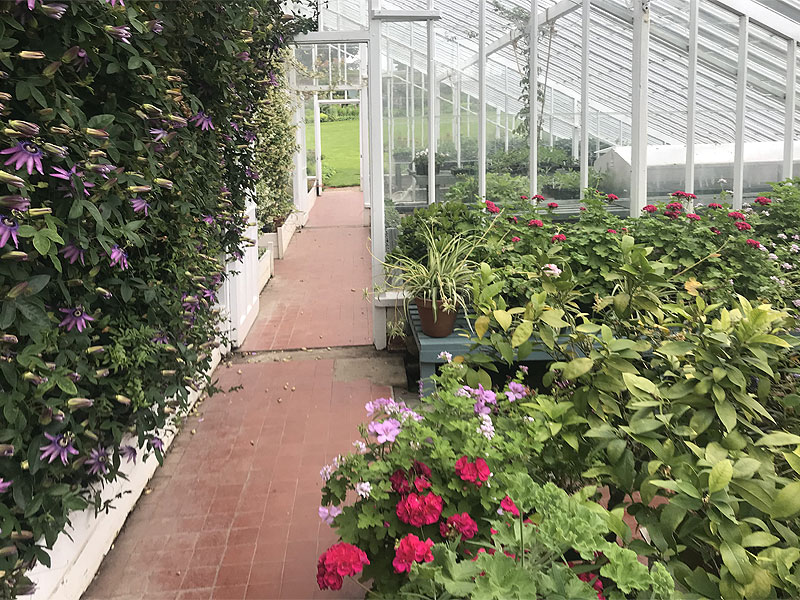
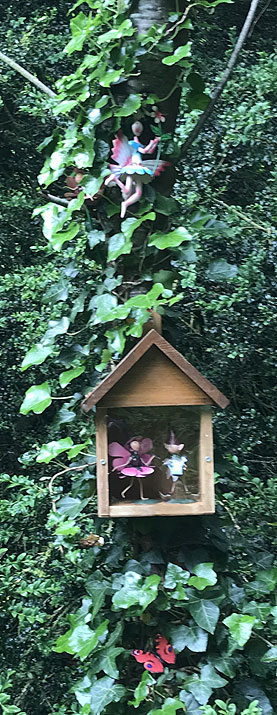
Outside, behind the house are extensive gardens, serpentine lake and grassland. Do not miss the triangular walled garden with its fine displays of flowers (in season) and its greenhouses. For the children, there are some fairies to be found in the Wilderness area.
The house and contents are well worth a visit, and the gardens are also a popular attraction. The house is open on Tuesdays and Wednesdays only, but the gardens are open additionally on Thursday and Sunday. It might be wise to arrive in good time if you want to see everything.
Disabled visitors should inquire about the lifts, noting that the entrance to the ground floor, at the side of the main block, involves a substantial flight of steps, and there is a long flight of steps up to the first floor. I noted a video show on the ground floor showing the treasures on the first floor.
Also note the somewhat confusing arrangements in the visitor reception centre, where the reception also takes the payments for guidebooks and other knick-knacks, and the tearoom is at one side of reception while the till and counter is on the other side.
Kelmarsh is no longer associated with the Croome furniture collection.
Hatfield House, Herts.
Hatfield is one of the great treasure houses of England, with many fine rooms filled with art objects. Outside, there are several gardens, a maze, and also the Hatfield Old Palace, which elsewhere might be an attraction in its own right. The surviving wing of the Old Palace today consists of a great hall, used for functions. Don’t miss the viewing platform in the gardens which gives visitors a clearer view of the South Front. Asides from all that, there is the wider park and estate.
There is enough here for a half to full-day visit.
Compton Castle, Devon
National Trust.
A jumble of buildings and curtain walls enclose a courtyard. There are towers incorporated into the house and curtain wall, a great hall rising to the roof, a chapel, and an ancient kitchen wing. The house was built between the fourteenth and sixteenth centuries, and fortified in the reign of Henry VIII, no doubt in response to French raids on the Devon coast. The house was bought back by the Gilbert family in 1930 and restored as a family home after centuries of neglect.
The reconstructed great hall and a few other rooms are open to visitors, and there are rose, knot, and herb gardens adjoining. Don’t miss the rose garden (to left of front). This is a really unusual building and worth a visit if you are in South Devon. Opening dates are restricted to three days in the week. (Bradley (NT) nearby opens on the same dates.
Access to the house is via narrow lanes. Parking (on grass) at the house is limited and additional hard standing parking is available at the Castle Barton tearooms 100 yards away.